2026 Clarno Willow Harvest #3
listen
Cottonwood Canyon Riparian Soundscape
Cottonwood Canyon Riparian Soundscape
fact
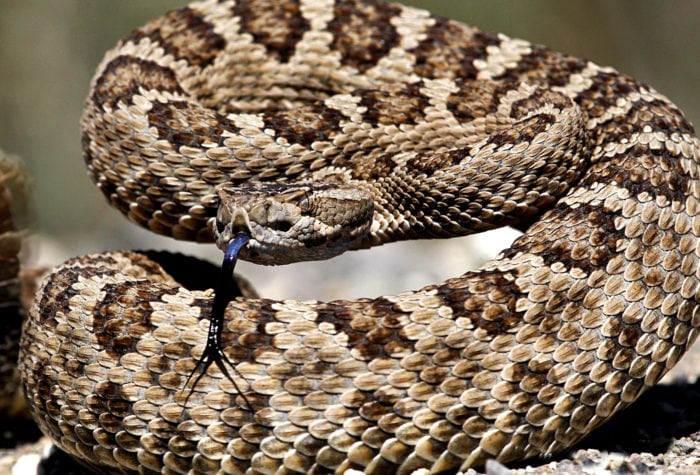
Western Rattlesnake
Western Rattlesnake
Also known as the Great Basin Rattlesnake, these pit vipers have buff-tan coloring and small, oval blotches to blend into their arid surroundings. Small heat-sensing indentations on each side of the snake’s snout detects warm-blooded prey for better striking accuracy in the dark. Source: The Oregon Encyclopedia
Latin name: Crotalus oreganus lutosus
fact
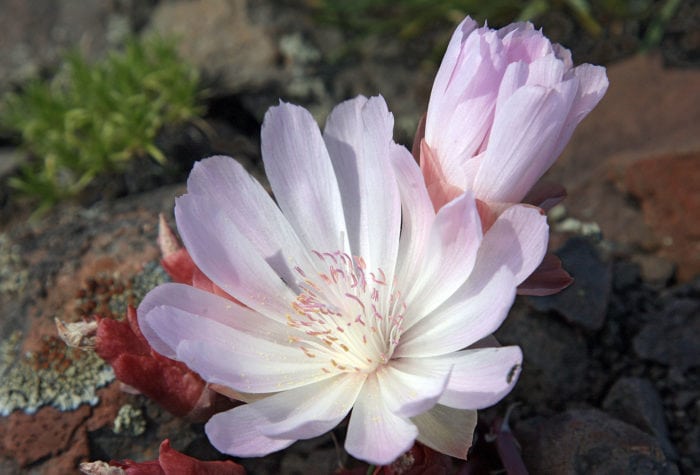
Bitteroot
Bitteroot
Bitteroot blooms on north-facing cliffs in western North America.
The Paiute name for bitteroot is kangedya. Traditional Native American uses of the plant included eating the roots, mixed with berries and meat, and using the roots to treat sore throats.
Organizer: Jefferson Jacobs
Date and Time: March 11, 2026, 10:00 a.m. to 4:00 p.m.
Place: Clarno, OR
Difficulty Rating: Level 1: Easy
Maximum Group Size: 15
About the place
Oregon’s high desert is home to a diversity of Indigenous people, including the Northern Paiute, Shoshone, Bannock, Wasco, Warm Springs, Yahooskin, Cayuse, Walla Walla and Umatilla peoples organized within several Tribes. These include the Burns Paiute Tribe, Fort McDermitt Paiute and Shoshone Tribes, Confederated Tribes of the Warm Springs Reservation, Shoshone-Paiute Tribes of the Duck Valley Indian Reservation, the Klamath Tribes, the Confederated Tribes of the Umatilla Indian Reservation and others.
Located on the John Day River at the tiny hamlet of Clarno, Oregon, the Clarno Nursery project site is operated by the U.S. Forest Service and the Bureau of Land Management. Up to 50,000 willows, cottonwoods and other native trees are harvested annually from this facility for restoration projects around the Northwest, including ONDA’s restoration projects in eastern Oregon.
About the stewardship work
Volunteers will cut, collect and prepare stakes of willow and cottonwood for use in ONDA’s restoration plantings in Central Oregon. Plants will be cut into 4-foot-long sticks, bundled in plastic bags, then stored until planting season begins in April. With assembly-line efficiency, we will prepare around 1,000 planting sticks, all while having a great time and enjoying the beautiful outdoor setting.
Trip timeline
- Wednesday, March 11, 10 a.m.: Meet at the Clarno Nursery for training and orientation.
- Wednesday, March 11, 4 p.m.: We’ll prepare plants until 3:30 p.m., then clean up and head home by 4 p.m.
Difficulty
The physical demands of this project are light. Work involves squatting or bending over, carrying lightweight armfuls of sticks, cutting sticks with loppers, and gripping and tying stick bundles. The work area is flat, but may become cluttered with small stumps that could pose a tripping hazard as work progresses. Everyone will work at their own pace, we will rotate jobs, and any moderately heavy lifting tasks will be done in pairs for safety. Cold and breezy weather is possible, but we will postpone the event if heavy rain or snow is in the forecast.
Participant responsibilities
Participants are required to provide their own transportation to the project meeting point, as well as their own food and water/beverages for the day. We recommend bringing this in a daypack that you are comfortable carrying all day. Participants should check the weather in advance and bring sufficient attire and layers for a full day outdoors. Sturdy hiking boots are recommended, and close-toed shoes are required (no sandals). These plots have very dense trees and likely muddy areas, so appropriate footwear is essential. We also recommend bringing your own work gloves to provide a comfortable fit, but it is not required.
Gear provided
ONDA will provide all training, tools and supplies required for the work. Safety equipment such as work gloves and eye protection will be available, and we’ll have extra water and snacks if needed.
Registration
An ONDA registration application and medical form are required for this trip.
Registration closed
Approximately two weeks after submitting your registration application, you will receive an email outlining the trips where you are a confirmed participant. We will also share when trips are full and if you’ve been placed on the waitlist.
Six weeks before the start of the trip, the trip leader will send out an email reconfirming participation. Based on responses, any open spaces will be filled with people from the waitlist.
Three weeks before the trip start date, registered and confirmed participants will receive driving instructions, carpooling options, maps, and additional information in an email sent by the trip leader.
Contact the trip leader with questions.
Your Trip Leader
This trip will be led by Jefferson Jacobs, ONDA's Restoration Manager. If you have any questions or need additional information you can contact him via email at jjacobs@onda.org
Meet JeffersonRestoring Desert Ecosystems
ONDA works with partners, communities, and the public to improve habitat quality, create healthy ecosystems, sustain clean water, and support biodiversity in the high desert’s most ecologically important areas. What […]
Read More