Welcome to ONDA’s website.
Well, hello there reader! We hope this website brings you closer to Oregon’s high desert and inspires you to advocate for its protection.
Devin Dahlgren Website
Well, hello there reader! We hope this website brings you closer to Oregon’s high desert and inspires you to advocate for its protection.
What defines Oregon’s high desert?
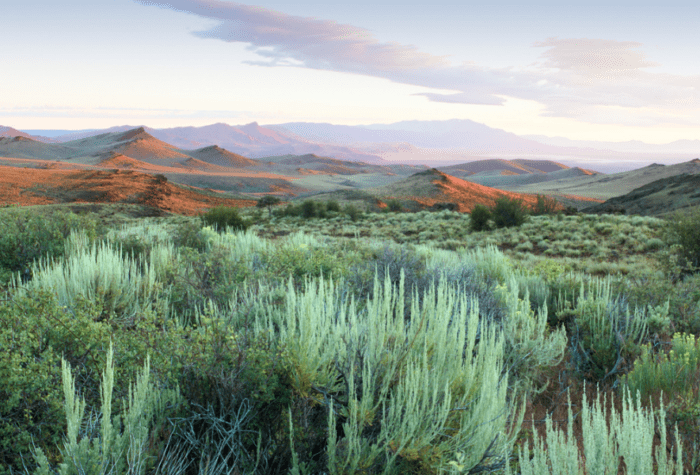
Bounded by the Cascade Mountains to the west and the Blue Mountains to the north, Oregon’s high desert covers approximately 24,000 square miles. Annual rainfall in the high desert varies from 5 to 14 inches. The average elevation is 4,000 feet; at 9,733 feet, the summit of Steens Mountain is the highest point in Oregon’s high desert. The terrain of the high desert was mostly formed by a series of lava flows that occurred between 30 and 10 million years ago.
Badger
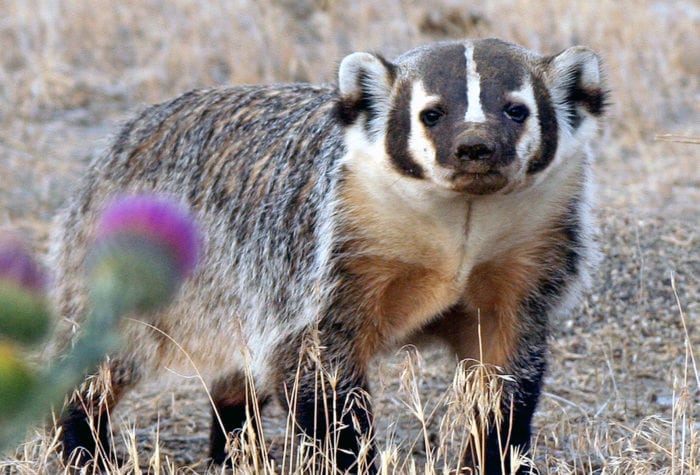
Badgers are generally nocturnal, but, in remote areas with no human encroachment, they are routinely observed foraging during the day. They prefer open areas with grasslands, which can include parklands, farms, and treeless areas with crumbly soil and a supply of rodent prey.
Badgers are born blind, furred, and helpless. Their eyes open at four to six weeks.
Latin name: Taxidea taxus
Bobcat
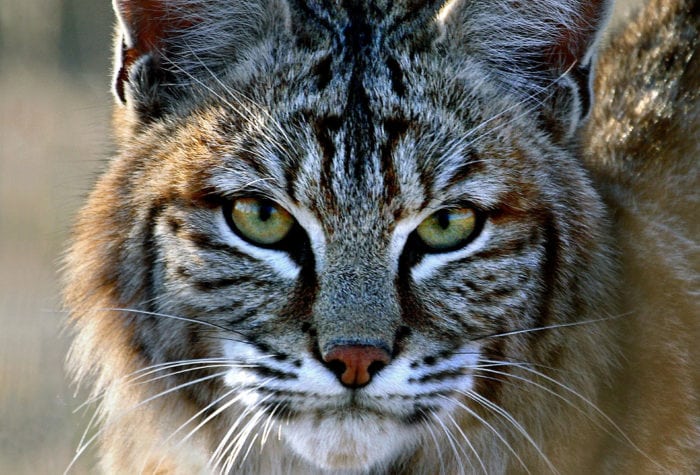
Found only in North America, where it is the most common wildcat, the bobcat takes its common name from its stubby, or “bobbed,” tail. The cats range in length from two to four feet and weigh 14 to 29 pounds. Bobcats mainly hunt rabbits and hares, but they will also eat rodents, birds, bats, and even adult deer.
Latin name: Lynx rufus fasciatus
We hope you’ll use our visitor’s guides as a starting point for your own exploration of the remarkable regions within the high desert.
Greg Burke
Enjoy the beautiful photographs and learning more about Oregon’s High Desert! We hope you won’t find too many broken links or typos, but, if you do, please feel free to email a note to our communications manager and we’ll do our best to get it fixed right away.