Enjoying Wilderness Areas
Greg Burke Website
watch
Stewardship Fence Building Timelapse
Stewardship Fence Building Timelapse
voices
John Cunningham, ONDA member and volunteer
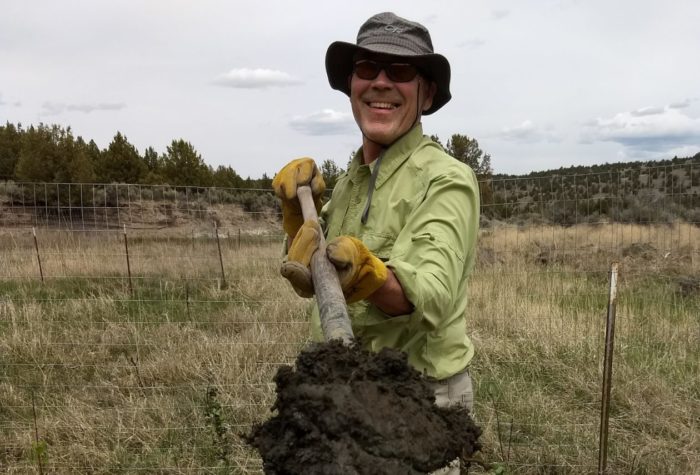
John Cunningham, ONDA member and volunteer
Restoration is hard slow work. It takes hold, or it doesn’t, in fits and starts. The immensity of the need can be discouraging, but we must carry on. I am so thankful ONDA carries on.
voices
Ryan “Dirtmonger” Sylva, ODT thru-hiker 2017
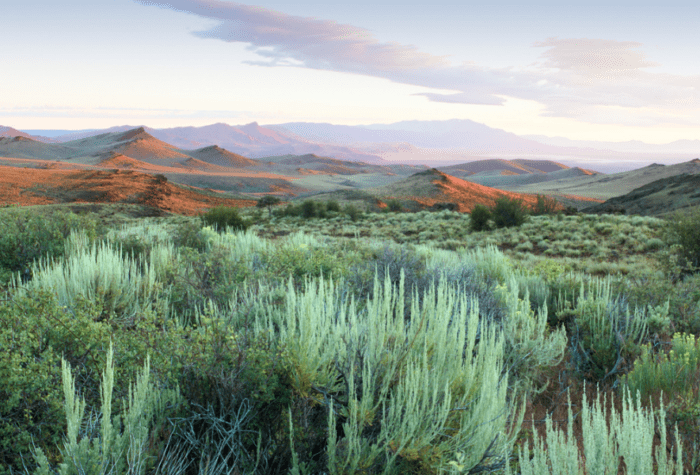
Ryan “Dirtmonger” Sylva, ODT thru-hiker 2017
“To me, it’s a thru-hike in an isolated place that promotes a conversation in land management, ethics and usage. Hiking across a vast and remote landscape and having a random and chance encounter with cowboys and hunters to discuss how ‘all of us’ should treat the land, how we all have a responsibility, no matter our political leanings, really showed me the pulse of the people in rural areas, especially here out west.”
What Can I Do In A Wilderness Area?
The Wilderness Act lays out the ground rules intended to preserve the experience of visiting wild places.
There are several exceptions to these rules that help protect safety and allow traditional activities to continue. For example, although motorized vehicles are generally prohibited in wilderness, firefighters can use bulldozers, trucks, chainsaws, or other motorized tools to put out a fire if it is threatening homes outside of the wilderness area.
Examples of activities that are allowed in Wilderness Areas:
- “Primitive recreation” activities, such as fishing, hunting, hiking, camping, horseback riding, canoeing, kayaking, and rafting
- Educational and scientific study
- Use of a wheelchair
- Existing livestock grazing and the exercise of other “valid existing rights,” including water rights and mineral rights
- Fire suppression where necessary to protect human safety and property both within the wilderness area and outside its borders
- Use of motorized vehicles when necessary to ensure the health and safety of people and livestock, such as in search and rescue operations or for fire suppression
Examples of activities that are not allowed in Wilderness Areas:
- Recreational activities that require a motorized/mechanized vehicle, such as off-highway vehicles, motorbikes, mountain bikes, snowmobiles, and motorboats
- Construction of new structures or roads
- Energy exploration and development
- Landing aircraft, except during emergencies
- Commercial enterprise, excluding guide services whose purpose is to help wilderness users enjoy legal recreational activities
For additional guidance, refer to the principles of Leave No Trace.