Writing a Letter to the Editor
Ellen Bishop
fact
Badger

Badger
Badgers are generally nocturnal, but, in remote areas with no human encroachment, they are routinely observed foraging during the day. They prefer open areas with grasslands, which can include parklands, farms, and treeless areas with crumbly soil and a supply of rodent prey.
Badgers are born blind, furred, and helpless. Their eyes open at four to six weeks.
Latin name: Taxidea taxus
voices
Mary McCord, ONDA Volunteer

Mary McCord, ONDA Volunteer
“I find enjoyment in the peaceful wide open spaces, geology, and rich history of Oregon’s high desert,” says Mary. Reflecting on volunteering, she continues, “If you have the ability and desire, it’s important to do something to contribute. It doesn’t have to be big, because every little bit helps.”
voices
Cregg Large, member since 2009
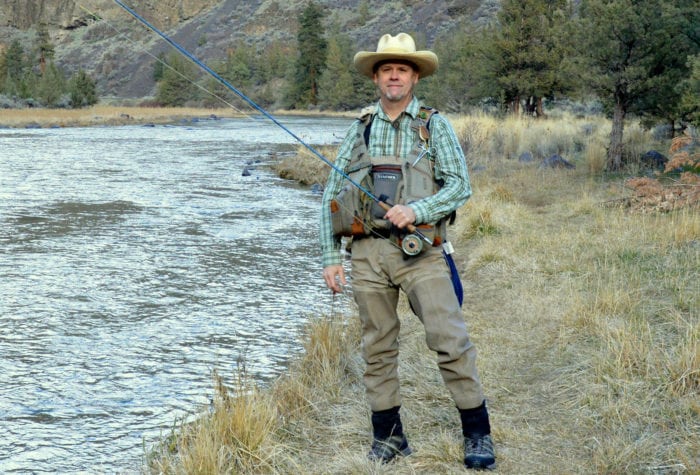
Cregg Large, member since 2009
“I came to Oregon 12 years ago from Texas. Texas, for all its size, has very little public land. Coming to Oregon has made me realize the special gift we as Americans have in our public lands. Volunteering with an organization like ONDA is my way of reciprocating for this gift. Through restoration efforts, I feel we are helping leave a better place than we found it. Through advocating for protection for public lands, we safeguard migration routes for animals and keep the land where it belongs: with the public.”
How to write an effective letter to the editor in six simple steps:
- Follow the rules of the publication. Most papers limit letters to 250 words. Don’t go over your limit. Find links to the letters to the editor policies for many Oregon papers below, as well as instructions for how to submit your letter.
- Be concise. Choose one topic to focus on, and state your opinion clearly and briefly at the beginning of your letter, then use local examples, personal experience, or relevant facts to back it up.
- Keep it current. Write about something happening right now, or a topic the newspaper recently wrote about. If you’re responding to an article or editorial, mention it and the date it ran.
- Make a clear ask that offers a solution. What do you want the reader, the editor of the paper, or your elected leaders to do after they read your letter?
- Revise your letter and let it sit. If you used emotional language (words like stupid, dumb, ridiculous, silly, or expletives), take it out. When you can, wait a few hours after your write your letter, then read it again before you send it. Or, send it to a trusted friend for feedback.
- Send it in. Don’t let “the perfect be the enemy of the good.” Your letter does not need to be Pulitzer Prize-worthy to be effective. Take a deep breath, and press send!
Letter Submission Policies – Select Oregon Newspapers:
- Bend Bulletin
- The Source Weekly
- The Oregonian
- Eugene Register Guard
- Salem Statesman Journal
- East Oregonian
- Medford Mail Tribune
- The Nugget Newspaper (Sisters)
- Argus Observer (Ontario)
- Malheur Enterprise (Malheur County)
- Blue Mountain Eagle (Grant County)
- Klamath Falls Herald and News
- For the Willamette Weekly: Letters to the editor must include the author’s street address and phone number for verification. Letters must be 250 or fewer words. Submit to: 2220 NW Quimby St., Portland, OR 97210 or, email: mzusman@wweek.com
Letter Submission Policies – Select National Outlets:
Letter Submission Policies – Select Regional Outlets: