Visitor’s Guide
to Greater Hart-Sheldon

What you’ll find in Oregon’s most important desert wildlife stronghold

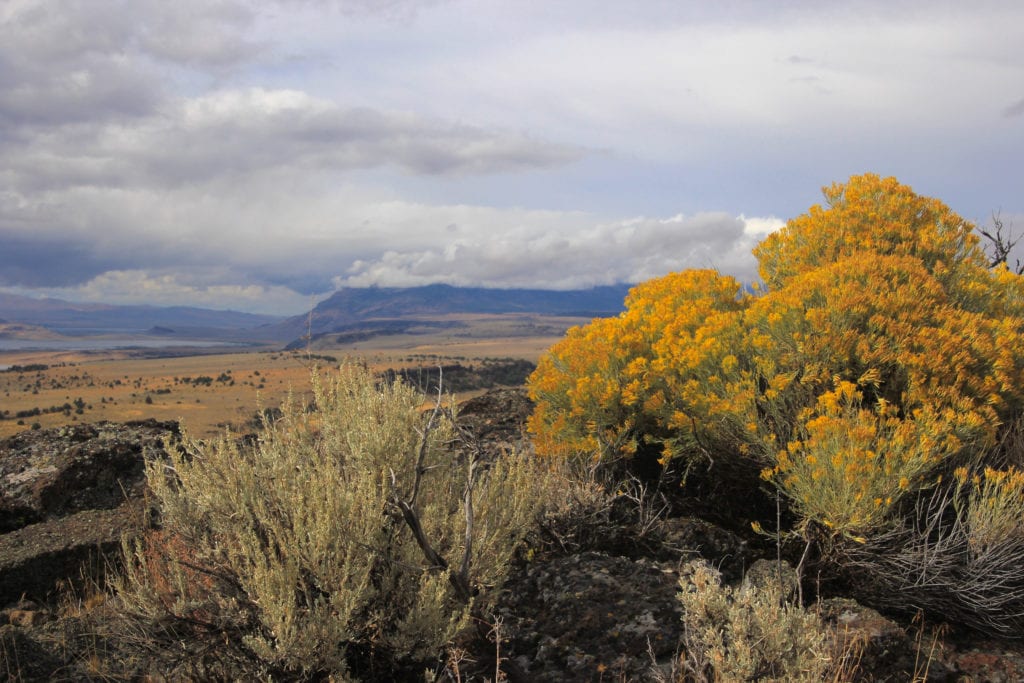
The Greater Hart-Sheldon is a vast expanse of lands anchored by Hart Mountain National Antelope Refuge to the north and Sheldon National Wildlife Refuge to the south with millions of acres of public land between and surrounding the refuges all awaiting exploration. This diverse, dramatic and wildlife-rich landscape is one of the largest intact swaths of sagebrush steppe remaining in the West. Offering abundant opportunities to see iconic desert species like pronghorn, bighorn sheep, greater sage-grouse and so much more, the region is a fascinating place to spend some time.

People of all ages and abilities can find a recreational opportunity to pursue here. Some visitor services exist on the Hart and Sheldon refuges, while the public lands between the two refuges offer a great outback experience where you’re likely to see plenty of wildlife and few people.

When planning to travel to this region of Oregon’s high desert, be aware that it is remote. There are few established trails in the Greater Hart-Sheldon, and the roads vary between pavement, gravel and dirt. Amenities are scarce, so be prepared before you venture out by bringing extra water, food, gas and a spare tire.

Refer to our guide below for inspiration and advice on where to stay, what to eat, recommended hikes and activities, and resources for visiting this impressive region of Oregon’s high desert.
voices

Aaron Tani, Sage Society Member

Aaron Tani, Sage Society Member

“It feels good to support ONDA on a monthly basis, because I know they never stop supporting our public lands. ONDA works to help make our lands a better place for the future, and I feel like I’m a part of that every month with my support.”

voices

John Cunningham, ONDA member and volunteer

John Cunningham, ONDA member and volunteer

Restoration is hard slow work. It takes hold, or it doesn’t, in fits and starts. The immensity of the need can be discouraging, but we must carry on. I am so thankful ONDA carries on.

watch

Sage-grouse Mating Dance

Sage-grouse Mating Dance

Where to Stay

Camping

In the Hart Mountain National Antelope Refuge, three free, primitive campgrounds are managed by the U.S. Fish and Wildlife Service. All are available on a first-come, first-served basis. Drinking water is only available at the refuge headquarters and Camp Hart Mountain; vault toilets are available at all campgrounds. Campfires are allowed only in designated fire rings where provided and may be further restricted during periods of increased fire danger. Bring your own firewood since it is not available to purchase and collecting is not allowed. Learn more about each of these campsites.

Hot Springs Campground

4 miles south of Hart Mountain National Antelope Refuge headquarters

As the name implies, you’ll find a developed public hot springs for soaking here and 25 campsites.

Season: Year-round, although winter snows periodically close the campground road.

Camp Hart Mountain Campground

Approximately 15 miles from Plush on the Hart Mountain Road

This campground sits right at the base of Hart Mountain; drinking water and picnic tables are available.

Season: Year-round.

Post Meadows Campground

Follow Blue Sky Road south from the refuge headquarters for about 14 miles

This campground has a corral available for horses. Pellets or certified weed-free hay is required.

Season: Year-round, dependent upon road access.

For those interested in backcountry camping on the Hart Mountain refuge, permits are available at the refuge headquarters or online. Visit the U.S. Fish and Wildlife Service’s website for current conditions, maps, and other useful information.

Outside the refuges, camping is also allowed on the Bureau of Land Management public lands in this region, but no developed campgrounds exist. Car campers can find plenty of quiet spots along the dirt roads but will need to be self-sufficient and follow Leave No Trace principles. No permit is required for backpacking, but campers should note finding drinking water is challenging. See our Oregon Desert Trail page for additional route ideas and information.

Lodging

Lakeview is the largest town in the area and has a number of small inns and chain hotels. Visit this Lake County operated page for a more robust list of lodging options throughout the region.

Hart Mountain Cabin

Located 0.25 miles from the center of Plush

This is the closest lodging to the refuge with a full bath and kitchen. Cabins also have lovely views of the Warner Valley and Hart Mountain.

Call (541) 947-3322 for details, or book a cabin directly through Vrbo.

Back of Beyond Cabins

Located in the Warner Mountains 15 miles northeast of Lakeview, 1.5 miles off Highway 140

Two cabins available for rent, both with kitchens and one with a bathroom. They offer current ONDA members $25 off their first night rental.

Call (541) 947-5528 or visit www.bobrandr.com/ for reservations.

Where to Eat

Lakeview is the largest nearby town and is a great starting point for visiting the region. You’ll find numerous restaurants and coffee shops here, as well as rotating food trucks, a few gas stations and one large grocery store.

You’ll only find a few more options for food and gas after you leave Lakeview. The hamlets of Plush and Adel offer combination convenience stores with gas, burgers, beverages and basic amenities as you head out to explore the region. It’s wise to call ahead, as these spots aren’t open 24/7. The Hart Mountain General Store in Plush can be reached at (541) 947-2491 and the Adel Store and Tavern can be reached at (541) 947-3851.

Recommended Hikes

Greater Hart-Sheldon hikers can find everything from wide-open expanses and mountaintop vistas to ecologically rich wetlands and secluded canyons complete with waterfalls. Offering day hikes and opportunities for multi-day adventures, there are so many ways to experience this stunning, diverse and wildlife-rich region.

Take a moment to review our hike difficulty ratings and tips for a safe and responsible visit.

Mark Darnell

Abert Rim

Abert Rim is the largest exposed fault scarp in North America and, from the top, you will have a view of Lake Abert, Oregon’s most saline lake. Keep an eye […]

Read More

Brent Fenty

DeGarmo Canyon

From the base of Hart Mountain you can access this beautiful canyon complete with wildflowers, wildlife and waterfalls. Various hiking options from an easy walk to difficult climb can be […]

Read More

Greg Burke   Website

Guano Creek

Guano Creek is designated as a Wilderness Study Area and Area of Critical Environmental Concern. No trails exist but you can hike across the open country adjacent to Guano Creek. […]

Read More

Jim Davis   Website

Fish Creek Rim

This hike is partially located in Fish Creek Rim Wilderness Study Area and offers great vistas, as well as neat stands of aspen and mountain mahogany. There is a healthy […]

Read More

Jim Davis   Website

Beatys and Mahogany Buttes

There is no developed trail to the top, so the hike begins when you have found a decent spot to park your vehicle. Beatys Butte at 7,885 above sea level […]

Read More

ONDA

Warner Peak

Take this hike to enjoy views not just from the summit, but all along the way. Keep your eyes open for wildlife as well. You can start from the Hot […]

Read More

Recommended Activities

See Wildlife Roam

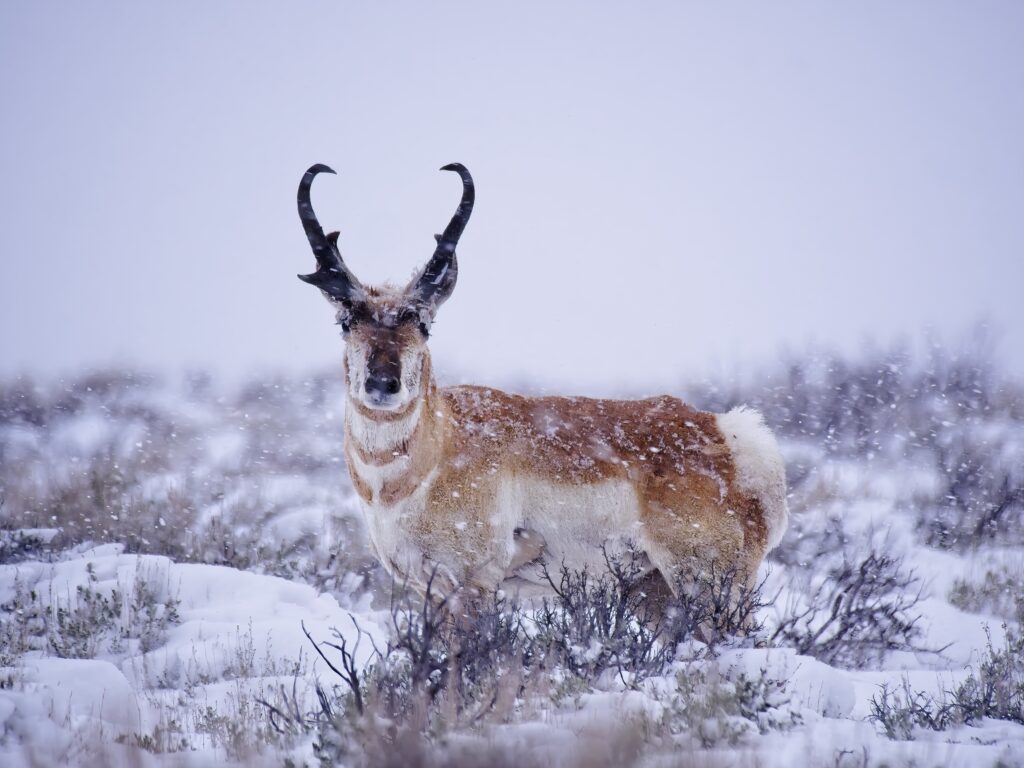
Wildlife fans can roam millions of acres in the Greater Hart-Sheldon to uncover the region’s exceptional fauna. Visitors may find stately bighorn sheep peering down from long linear cliffs, tiny pygmy rabbits scurrying through sagebrush, and pronghorn sprinting across the sprawling plains. Shorebirds, raptors, owls and more will delight birdwatchers, and in spring greater sage-grouse dance on the same leks they’ve used for decades.

Where to Look

Soak in a Desert Hot Spring

Surround yourself with some of the high desert’s most secluded, picturesque landscapes while you relax in a primitive or developed hot spring. Located a short walk from each other, these free, public hot springs can be located just past the aptly named Hot Springs Campground, four miles south of the Hart Mountain National Antelope Refuge headquarters.

Where to Go

Experience the World's Darkest Skies

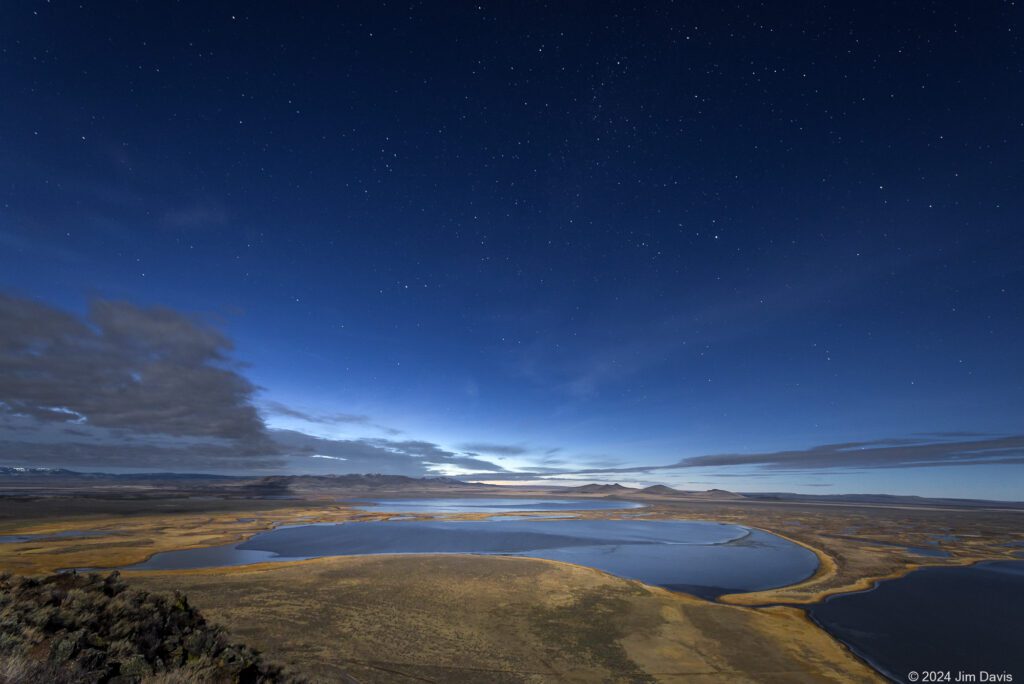
A 2.5-million-acre expanse of southeastern Oregon’s high desert has been named the largest Dark Skies Sanctuary in the world—a designation made to safeguard the viewing of stars in the sky. Officially named the Oregon Outback International Dark Sky Sanctuary, the Greater Hart-Sheldon offers incredible stargazing.

Guide to Stargazing

Watch Waterfowl in the Warner Wetlands

These wetlands at the base of Hart Mountain were designated as an Area of Critical Environmental Concern for their unique wildlife, ecological, cultural and geological values. The lakes provide great habitat for migrating waterfowl and give visitors an opportunity for world-class wildlife viewing. When the lakes are full, a canoe trail weaves between the many pothole lakes.

Get Started

Explore the High Lakes Plateau

Located directly south of Hart Mountain National Antelope Refuge, the High Lakes plateau is dotted with intermittent lakes and playas. The area is part of an important regional migration corridor for pronghorn and other wildlife and contains some of the greatest concentrations of rock art in North America, some dating to more than 7,000 years old. This plateau lies within the High Lakes Area of Critical Environmental Concern, a nearly 40,000-acre expanse that protects the area's unique cultural, botanical and wildlife values.

Learn More

Find Petroglyphs

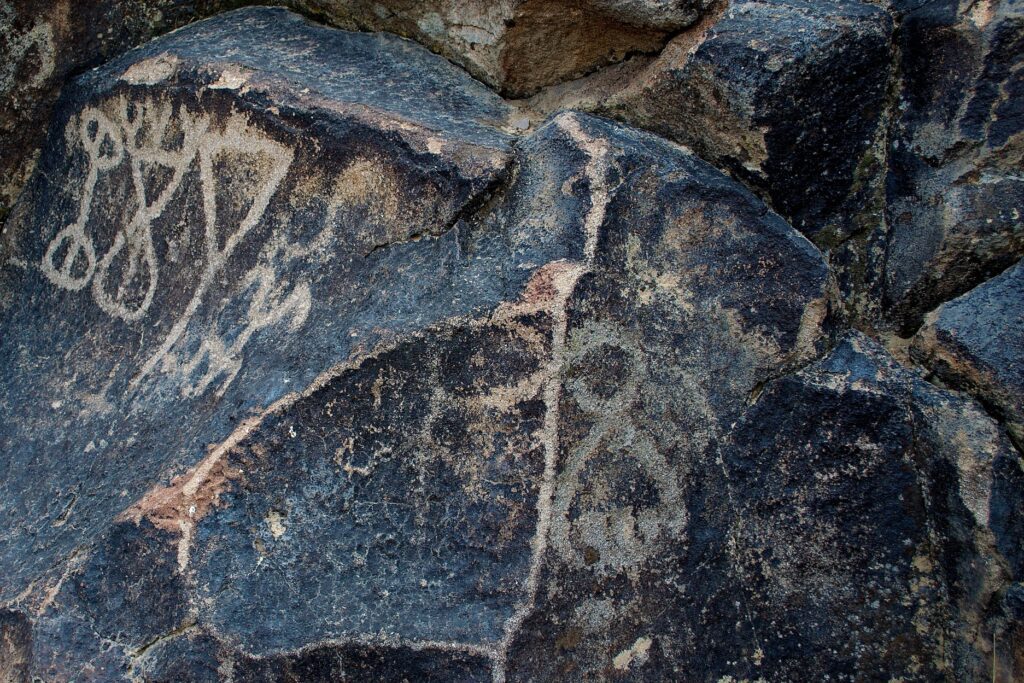
The best documented and easiest to access petroglyphs in the Greater Hart-Sheldon Region are located at Petroglyph Lake at Hart Mountain National Antelope Refuge. The lake can be reached by a high clearance vehicle when the roads are dry. Scattered along the 1,500 feet of low basalt cliffs surrounding the lake are over 65 panels of rock art. Treat the area with the utmost respect and research petroglyphs online before you go to enhance your knowledge. Check in at the refuge headquarters for more information.

Hiking Info

Visit a Historic Ranch

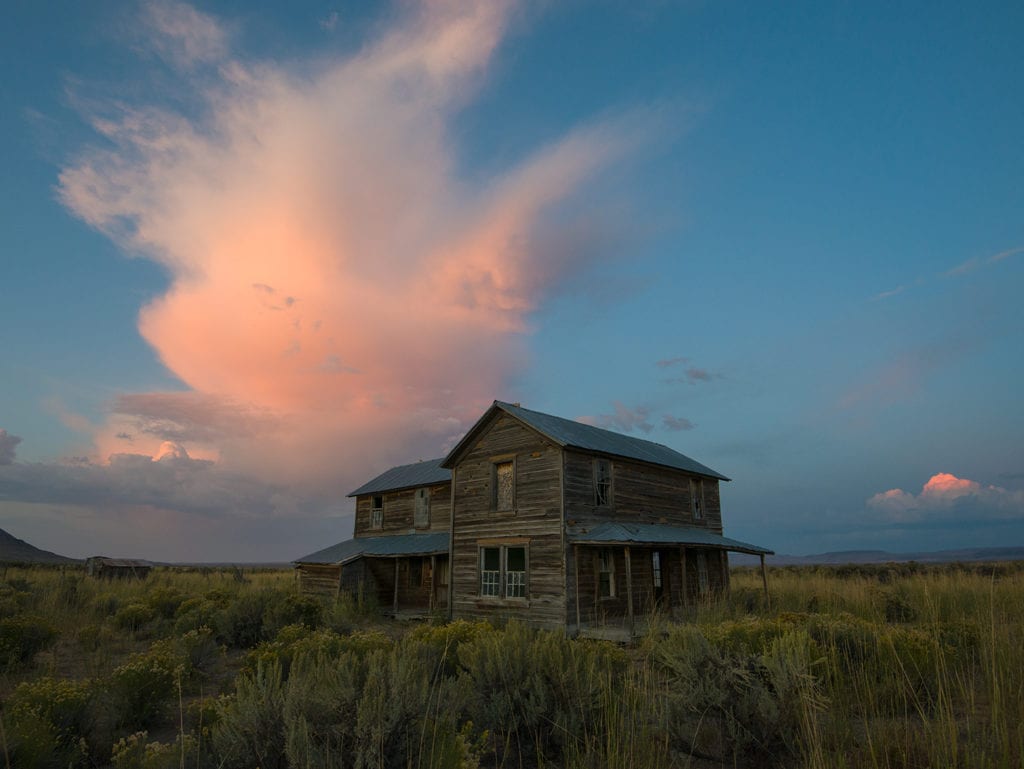
The Shirk Ranch, located in the Guano Valley, was operated by David L. Shirk up until the early 1900s. The property was acquired by the federal government in the 1940s and later registered on the National Register of Historic Places. The main ranch house, blacksmith shop, a bunkhouse and water tower remain today in addition to several other structures in varying states of decay.

Visit Shirk Ranch

Resources

Land Management Agency 
Bureau of Land Management – Lakeview District Office
1301 South G Street
Lakeview, OR 97630
Phone: (541) 947-2177
E-mail: BLM_OR_LV_Mailbox@blm.gov
Hours: 8:00 a.m. – 4:30 p.m., M-F