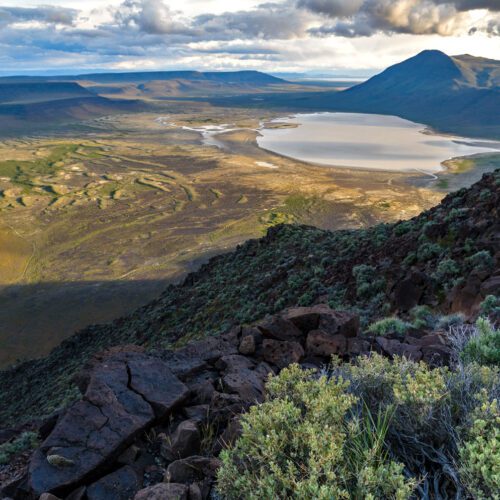
Look Back: 2026 Speaker Series
Author: Claire Cekander | Published: March 25, 2026 | Category: Look Back Reflections on the 2026 High Desert Speaker Series Each year, Oregon Natural Desert Association hosts the High Desert […]
Read MoreSarah Graham, Sage Sustainers Member
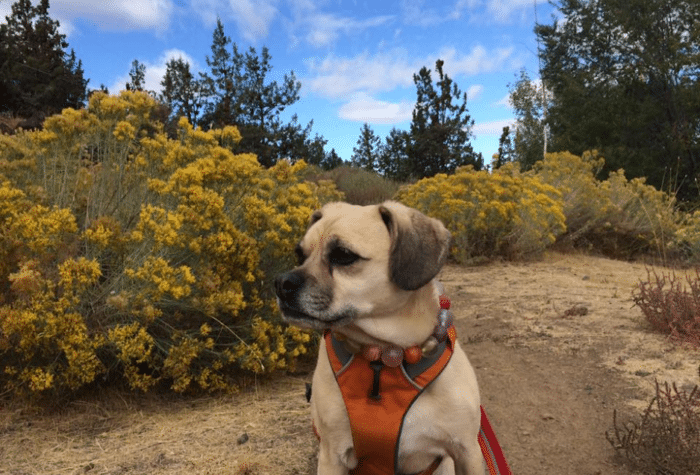
“I contribute to ONDA monthly because it adds up to a larger annual gift than what I’d be able to comfortably afford if I were to do a simple one-time donation annually. I’m able to give more to ONDA this way and have greater impact which is important to me, and my dog Polly.”
Mary McCord, ONDA Volunteer
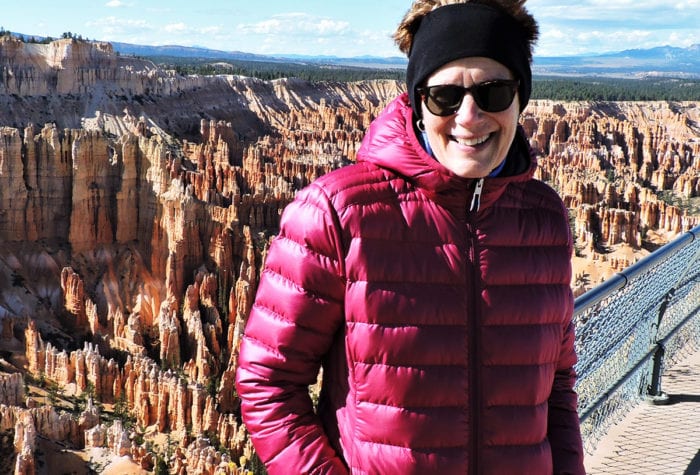
“I find enjoyment in the peaceful wide open spaces, geology, and rich history of Oregon’s high desert,” says Mary. Reflecting on volunteering, she continues, “If you have the ability and desire, it’s important to do something to contribute. It doesn’t have to be big, because every little bit helps.”
Aaron Tani, Sage Society Member
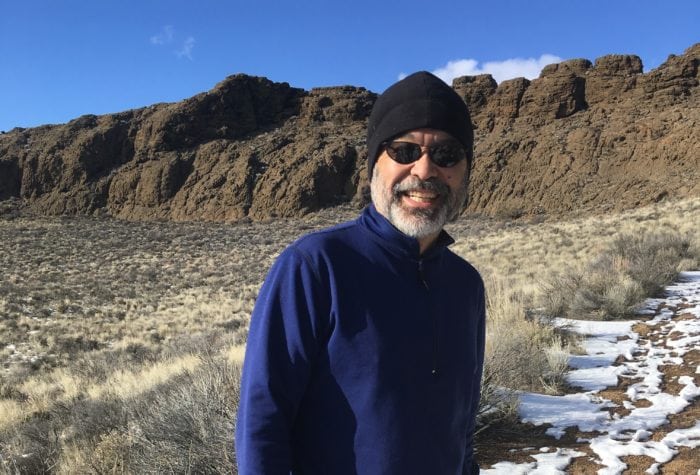
“It feels good to support ONDA on a monthly basis, because I know they never stop supporting our public lands. ONDA works to help make our lands a better place for the future, and I feel like I’m a part of that every month with my support.”
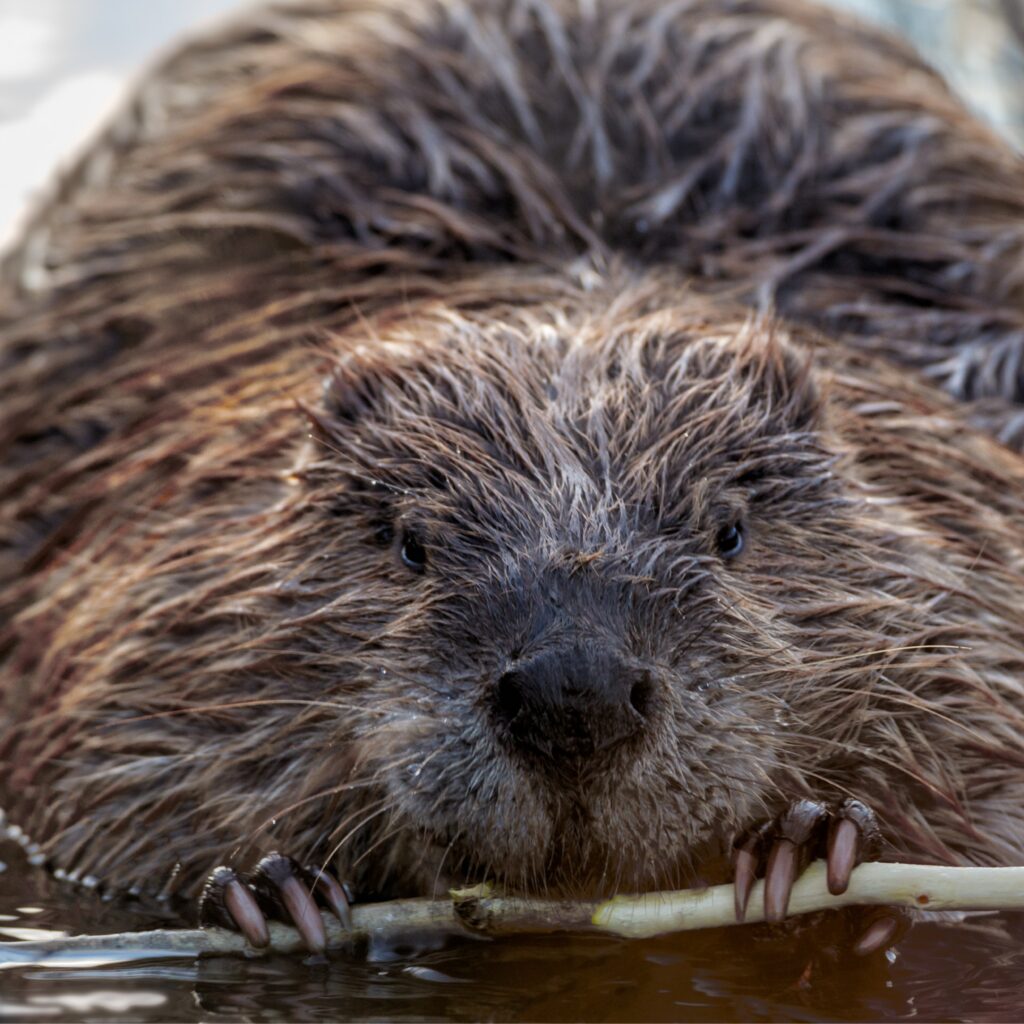
Dr. Emily Fairfax, professor and beaver-researcher, highlighted the important role of beavers in desert ecosystems. She discussed how beavers support a healthy environment, particularly their ability to retain precious desert water and combat drought, and explained why we should care about helping beavers recover their populations in Oregon’s high desert.
Fun Fact: Beavers can hold their breath for fifteen minutes and can outswim all predators found in Oregon’s desert.
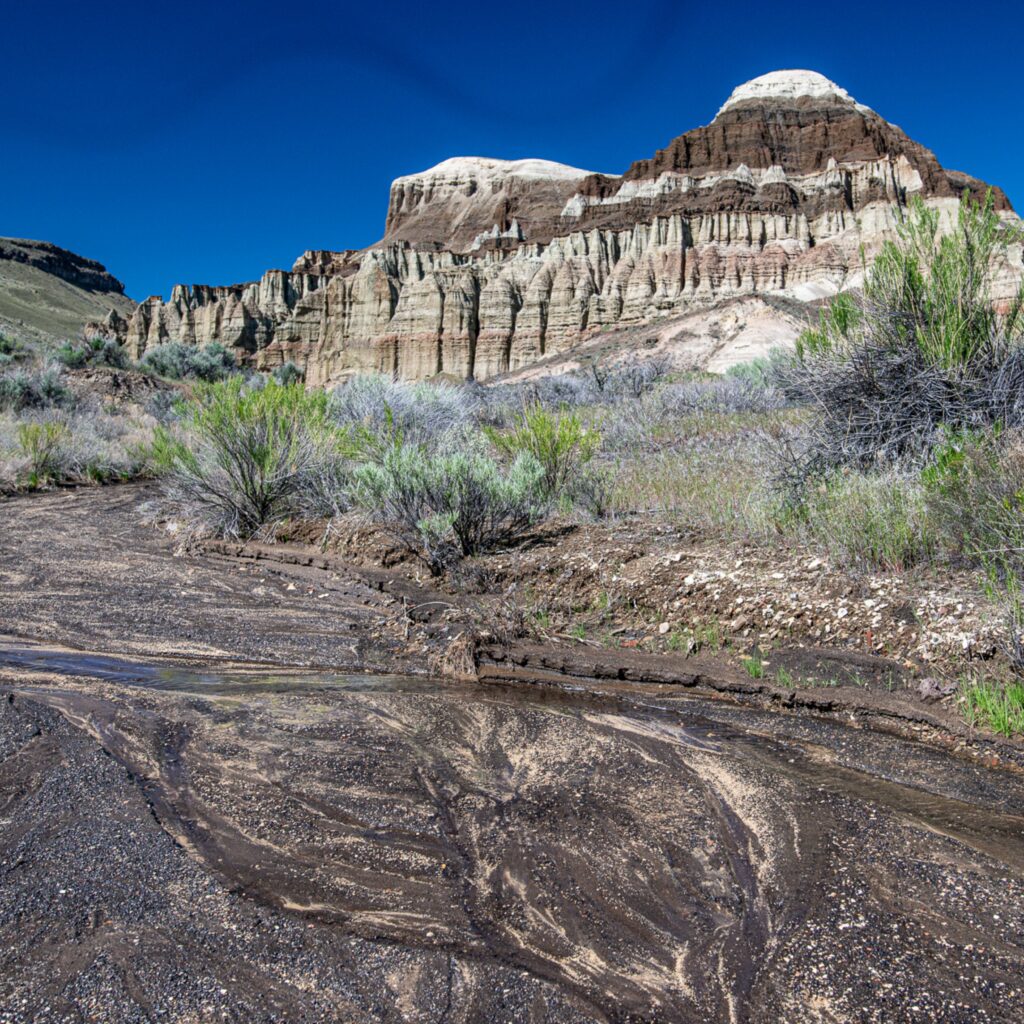
Dr. Ellen Bishop, author, geologist and photographer, took us back in time to highlight the dynamic geologic forces that created eastern Oregon’s stunning landscapes. She underscored how recent geological discoveries link the creation of Oregon’s high desert rock formations with the Yellowstone hotspot. We left this event with a deeper understanding of how iconic high desert sites were formed.
Interesting Insight: The Steens Mountain basalts were the first voluminous eruptions of the Yellowstone hotspot.
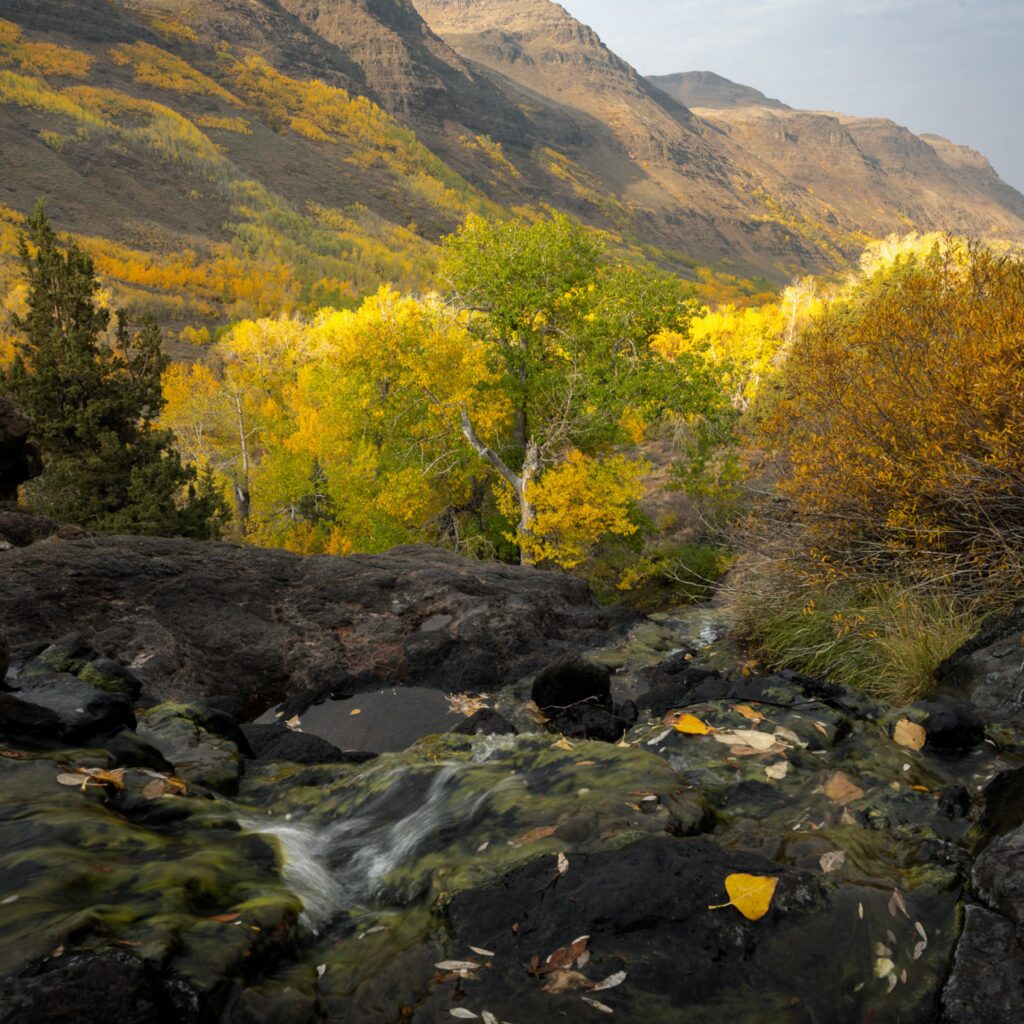
Casey Clapp, author, arborist and educator, took us on a captivating journey through the native trees of the high desert. He introduced us to multiple species of junipers, cottonwoods and pines that all call the desert home while emphasizing their important role in the ecosystem.
Desert Tip: Western juniper is the most common juniper species you’ll encounter in Oregon’s desert, but keep an eye out for its much less common relatives, Rocky Mountain juniper and common juniper.
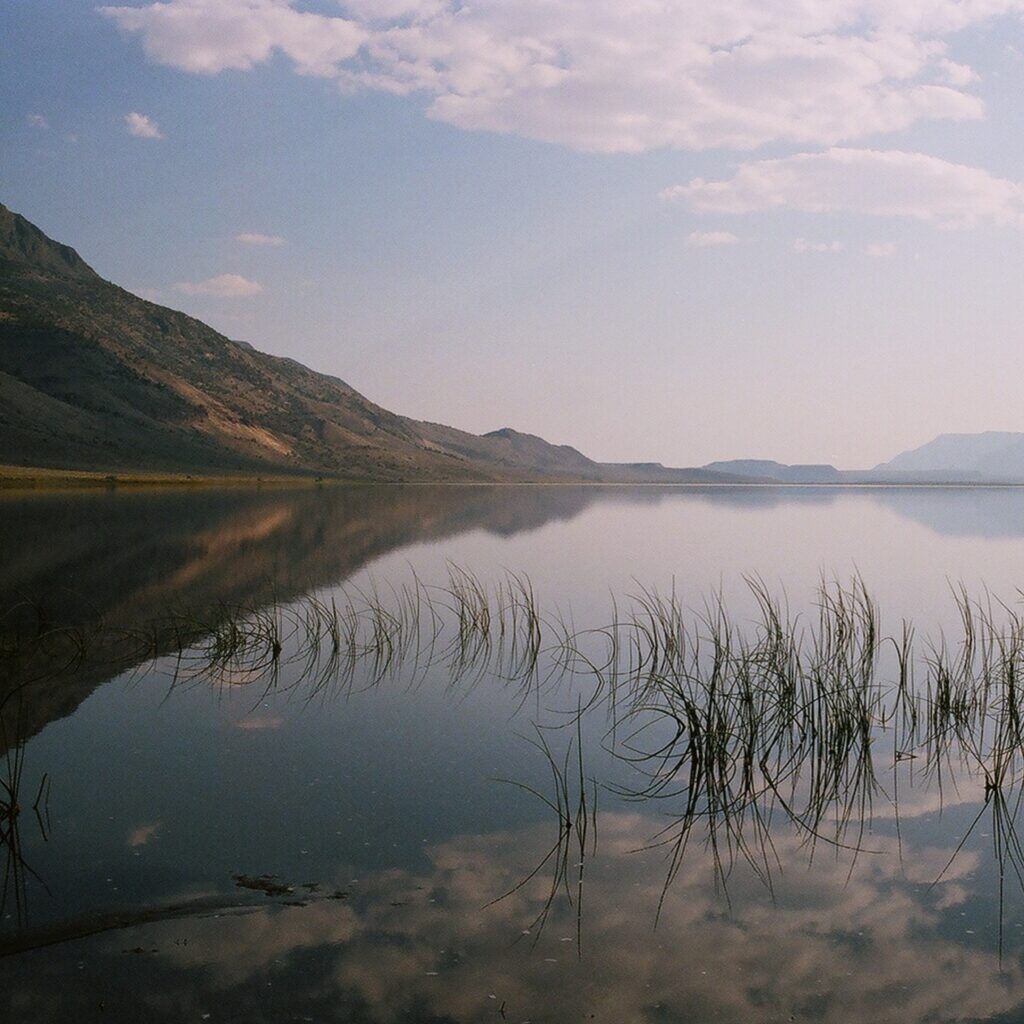
Dr. Diane Teeman, archaeologist, scholar and Tribal elder, shared the history and culture of her family and her work as an anthropologist. She also described the deep connection between cultural traditions and environmental conservation within the Wadatika’a Band of Northern Paiutes.
Interesting Insight: Dr. Teeman described the people of the Wadatika’a Band’s traditional worldview of time as a seasonal round; when astronomical and ecological changes signal how to interact with plants and animals. For example, her family wouldn’t start hunting yellow-bellied marmot until the onions bloomed.
We extend our thanks to the presenters who shared their deep knowledge on these desert topics. And, thank you to everyone who joined an event for your interest and continued conservation advocacy.
Thank you to our sponsors for supporting high desert conservation, including our presenting sponsors, WYLD Works and First Interstate Bank, as well as our event sponsors, Cactus Blossom LLC and Visit Bend.
If you have any thoughts about the High Desert Speaker Series, we’d love to hear your feedback. Fill out our anonymous feedback form or send us a note to share your perspective.
Author: Claire Cekander | Published: April 3, 2025 | Category: Look Back Reflections on this year’s High Desert Speaker Series. Each year, Oregon Natural Desert Association presents the High Desert […]
Read More
Author: Claire Cekander | Published: March 25, 2026 | Category: Look Back Reflections on the 2026 High Desert Speaker Series Each year, Oregon Natural Desert Association hosts the High Desert […]
Read More