Become a Desert Defender

We are living in an unprecedented time for public lands conservation. People who care deeply about wildlife and wild lands, climate adaptation and resiliency, and public participation in planning and management of our public lands are alarmed as the Trump administration and Congress pursue their anti-conservation agenda.

ONDA members vigilantly respond to attacks on our public lands, waters and wildlife by ensuring that decision-makers and agencies uphold their obligations to managing and conserving public lands for the benefit of all Americans. But there are times when ONDA needs our community to go above and beyond by speaking out in the news media, attending an event or helping document conditions on the ground.

Please sign up to become a Desert Defender today. ONDA will call on you when we need your help!

watch

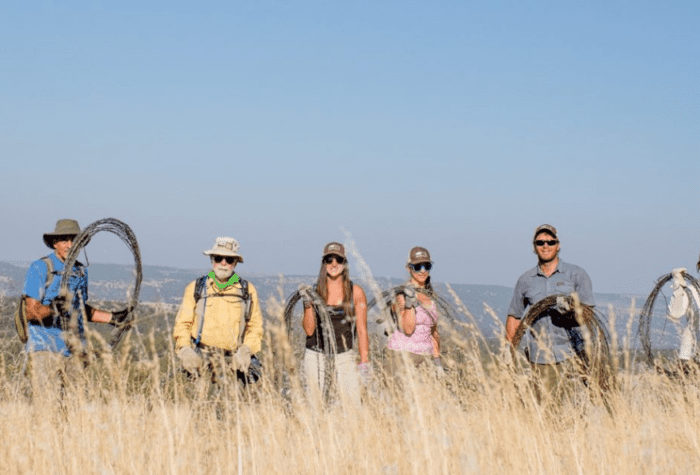
Stewardship Fence Building Timelapse

Stewardship Fence Building Timelapse

voices

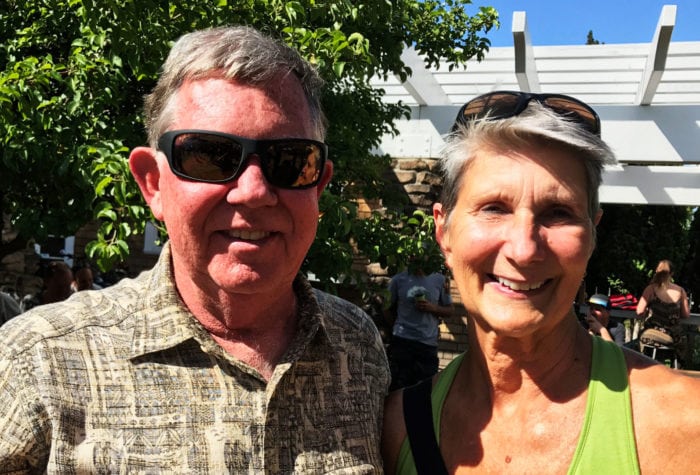
Durlin Hicock, Alice Elshoff Award winner

Durlin Hicock, Alice Elshoff Award winner

“Protecting public land is part of my spiritual being. It’s central to my identity to be in wilderness and to see it protected.” Durlin is proud to protect public lands for future generations, saying, “The highlight of my childhood was our family’s weekend outdoor trips. I look forward to my grandchildren having similar experiences outside in their lifetimes, and it wouldn’t be possible without ONDA.”

fact

What defines Oregon’s high desert?

What defines Oregon’s high desert?

Bounded by the Cascade Mountains to the west and the Blue Mountains to the north, Oregon’s high desert covers approximately 24,000 square miles. Annual rainfall in the high desert varies from 5 to 14 inches. The average elevation is 4,000 feet; at 9,733 feet, the summit of Steens Mountain is the highest point in Oregon’s high desert. The terrain of the high desert was mostly formed by a series of lava flows that occurred between 30 and 10 million years ago.

Sources: The Oregon Encyclopedia; Wikipedia