Speak Up for Oregon’s Wildlife

Becky Kuperstein

Take Action by Friday, February 6 at 3 p.m. PT.

The Oregon Legislature is considering HB 4134, also known as “1.25% for Wildlife.” This bill would create a dedicated, long-term funding source to protect and restore imperiled fish, wildlife, and habitats across the state by modestly increasing the state transient lodging tax. For the high desert, this could mean real, sustained investment in sagebrush-steppe restoration, wildlife connectivity, invasive species control, and wildfire resilience—work that is essential to keeping these ecosystems whole and thriving.

Oregon’s State Wildlife Action Plan now identifies more than 300 species of greatest conservation need, 100 of which are found in Oregon’s high desert. Without stable funding, we risk continued decline of the very landscapes and wildlife that define this place and inspire so many of us.

We’re asking you to take a few minutes to submit a written testimony to urge legislators to invest in Oregon’s natural legacy, especially the high desert wildlife that ONDA works every day to protect. Written testimony in support of this bill must be submitted by 3 p.m. this Friday, February 6.
fact

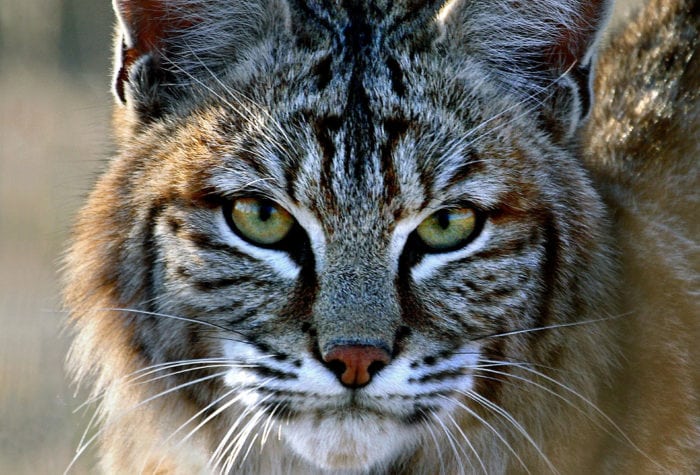
Bobcat

Bobcat

Found only in North America, where it is the most common wildcat, the bobcat takes its common name from its stubby, or “bobbed,” tail. The cats range in length from two to four feet and weigh 14 to 29 pounds. Bobcats mainly hunt rabbits and hares, but they will also eat rodents, birds, bats, and even adult deer.

Latin name: Lynx rufus fasciatus


watch

Stewardship Fence Building Timelapse

Stewardship Fence Building Timelapse

fact

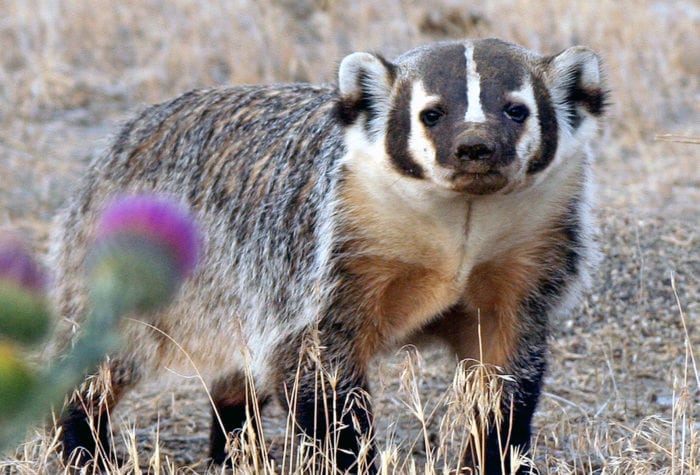
Badger

Badger

Badgers are generally nocturnal, but, in remote areas with no human encroachment, they are routinely observed foraging during the day. They prefer open areas with grasslands, which can include parklands, farms, and treeless areas with crumbly soil and a supply of rodent prey.

Badgers are born blind, furred, and helpless. Their eyes open at four to six weeks.

Latin name: Taxidea taxus

Suggested talking points to include in your personalized written testimony:
  • Introduce yourself. Include your name, where you live in Oregon, and that you are writing in strong support of HB 4134 with the -1 amendment to increase the state lodging tax by 1.25% and help recover Oregon’s most vulnerable fish, wildlife, and habitats.
  • Oregon’s identity is deeply tied to its natural legacy. Our native fish, wildlife, and diverse habitats—including the high desert and sagebrush steppe—are central to what makes Oregon special and to why people choose to live, visit, and recreate here.
  • Oregonians value wildlife and want to see it thrive. Many of us are proud of Oregon’s natural heritage and care deeply about protecting it for future generations. A strong majority of Oregonians support dedicated funding to recover vulnerable fish, wildlife, and habitats.
  • HB 4134 provides long-term, dedicated funding for conservation. This bill would secure sustainable funding to recover Oregon’s most at-risk species and habitats, including sagebrush ecosystems, connected wildlife corridors, and resilient landscapes that support biodiversity statewide.
  • Healthy wildlife and habitats are essential to Oregon’s economy. Oregon’s outdoor recreation and tourism economy depends on healthy lands and waters. The outdoor economy contributes 2.6% of Oregon’s GDP, supports 192,000 jobs, and generates $16 billion in consumer spending.
  • We cannot have a strong tourism economy without healthy ecosystems. Protecting fish, wildlife, and habitats is not separate from economic vitality—it is foundational to it. Investing in conservation now supports local communities and long-term economic resilience.
  • State leadership is especially important right now. As federal funding and protections for wildlife and habitats are reduced, Oregon has an opportunity—and a responsibility—to step forward and invest in its natural legacy.
  • HB 4134 would make Oregon a national leader. By passing this bill, Oregon can set an example for how states can proactively protect biodiversity, reduce wildfire risk, support wildlife stewardship, and sustain healthy ecosystems.
  • Your personal story. Include your personal connection to conservation and why investing in Oregon’s biodiversity is important to you.

Instructions for submitting your written testimony: 
  1. Click the “Take Action” button below.
  2. Fill out your information and click “Submit”. This will route you to the submission webpage.
  3. When prompted to choose an agenda item, ensure HB 4134 is selected
  4. Fill out your information.
  5. Skip the “on behalf of” box—you’re submitting as an individual. DO NOT put ONDA in the “on behalf of” box.
  6. In the Position on Measure field, select “Support” (it’s the third option)
  7. Upload your testimony or type it into the text box.
  8. Click “Submit Testimony” in the bottom left corner—you’re done!