Notes from the Desert

Jim Harrison

Oregon Natural Desert Association takes a holistic approach to conservation in Oregon’s high desert, pairing efforts to protect large landscapes with intensive on-the-ground restoration.
Here are recaps from a few of the stewardship trips and projects that ONDA led in 2022 to enhance the health of Oregon’s high desert.

You can see photos from all of the trips we led in this collection

voices

Reid Williams, 2021 Conservationist of the Year

Reid Williams, 2021 Conservationist of the Year

How far are you willing to hike for conservation? Reid Williams offered to put in more than 20 miles a day, by himself, walking and monitoring fence lines on Beatys Butte. And that was on top of weekly visits to the ONDA office, where he is always eager to help with extra projects. In acknowledgment of his willingness and helpful spirit, ONDA named him our 2021 Conservationist of the Year.

fact

What defines Oregon’s high desert?

What defines Oregon’s high desert?

Bounded by the Cascade Mountains to the west and the Blue Mountains to the north, Oregon’s high desert covers approximately 24,000 square miles. Annual rainfall in the high desert varies from 5 to 14 inches. The average elevation is 4,000 feet; at 9,733 feet, the summit of Steens Mountain is the highest point in Oregon’s high desert. The terrain of the high desert was mostly formed by a series of lava flows that occurred between 30 and 10 million years ago.

Sources: The Oregon Encyclopedia; Wikipedia  

watch

Oregon Desert Trail Map

Oregon Desert Trail Map

Central Oregon Backcountry:
Maintaining Trails

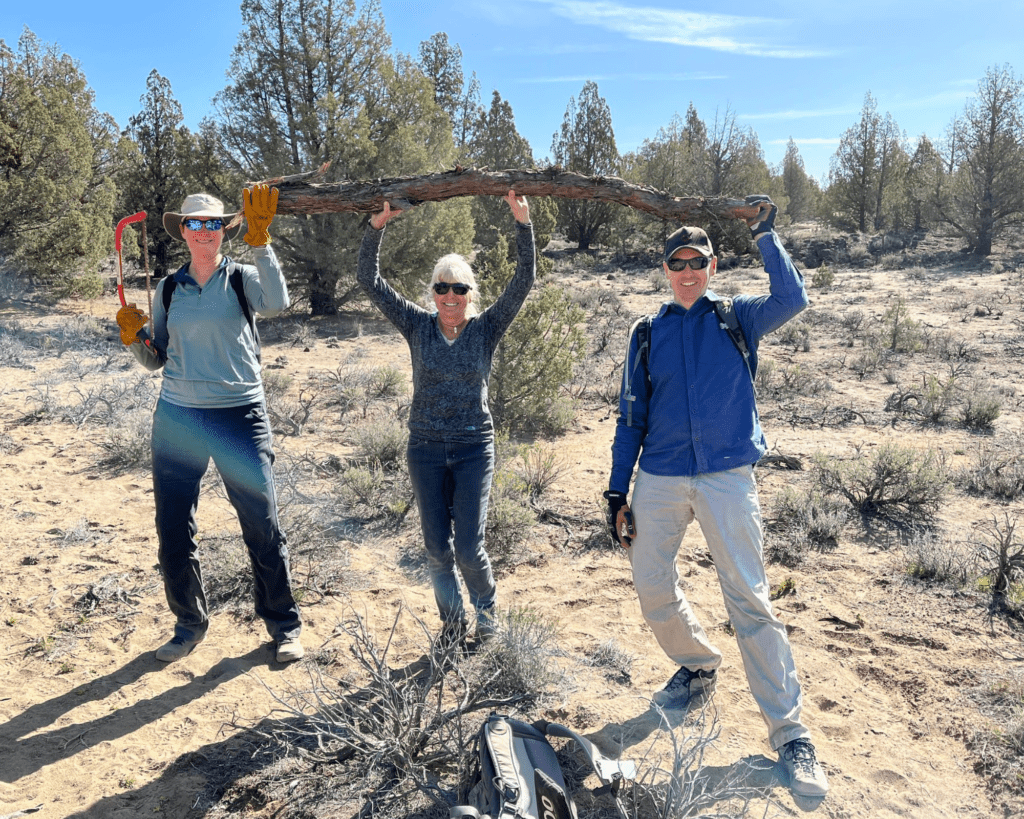
Over a series of trips early in 2022, volunteers established the Nighthawk Trail, to completing the connection between Reynolds Pond and the Tumulus Trailhead, which is the eastern terminus of the Oregon Desert Trail and also maintained the Chitwood Loop Trail.

Check Out Photos

John Day River Basin:
Restoring Streams

Working in partnership with the U.S. Forest Service, volunteers planted 3,000 willow and cottonwood trees along two tributaries of the Middle Fork John Day River on Beaver Creek and Ruby Creek. Their work on this trip, and other trips in the region, is improving riparian habitat for species like steelhead and Chinook salmon.

Check Out Photos
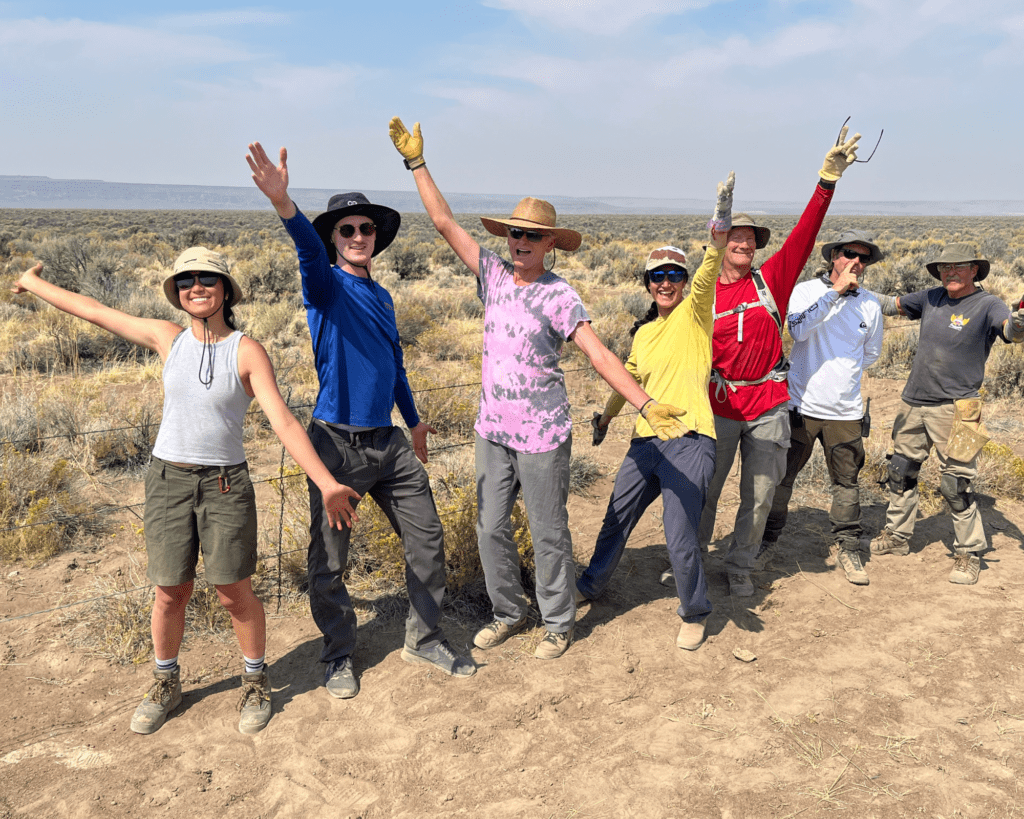
proud volunteers at fall 2022 fence pull at Beatys Butte

Greater Hart-Sheldon:
Retrofitting Fences

Ta-da! These volunteers replaced a full mile of barbed wire with smooth wire fencing at Beatys Butte. This area is a critical piece of the pronghorn migration corridor between Hart Mountain National Antelope Refuge and the Sheldon National Wildlife Refuge, and prime sage-grouse habitat as well, and retrofitting these fences improve habitat connectivity and keeps these sensitive species safe from harm. This was just one of several trips in this area.

Check Out Photos

McDermitt Caldera:
Documenting Natural Values

Volunteers from all over Oregon camped out in the McDermitt Caldera to learn about the history and ecology of the McDermitt Creek watershed and the environmental implications of a potential mine in the area. They heard from members of the Fort McDermitt Paiute and Shoshone Tribe, an Oregon Department of Fish and Wildlife biologist, and representatives from a local ranching operation, and left with new knowledge on the potential impacts of the mine to the region's cultural values, wildlife habitat and livelihoods.

Check Out Photos

Steens Mountain:
Rehabilitating Wilderness

Hardy volunteers and ONDA staff partnered with the Burns District Bureau of Land Management to rehabilitate the eastern end of Burnt Car Road where illegal off-road use has occurred in the Steens Mountain Wilderness.

Check Out Photos

Stewardship Trips 2022

All the trips described above are just some of the stewardship trips that ONDA led in 2022. For a look at what elese ONDA volunteers accomplished while working all across the high desert, see this collection of photo albums.

See the Collection

Independent Stewards

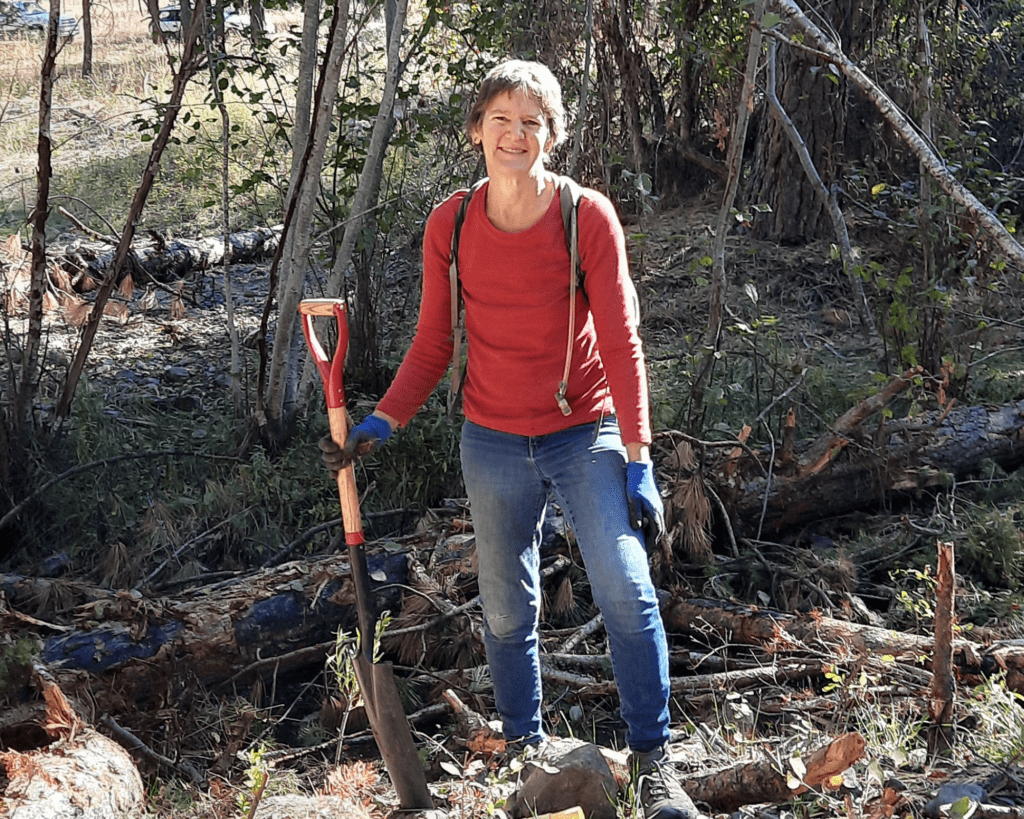
Working at their own pace and on their own schedule, yolunteers contributed close to 2,000 hours on 17 different independent stewards projects across the high desert this year. Their efforts included monitoring wilderness study areas and Wild and Scenic Rivers, tracking negative impacts related to recreation and grazing, maintaining trails and more.

Learn More