2026 Hart Mountain Beaver Dam Analogue Install #1
Jeremy Austin
fact
Swallowtail
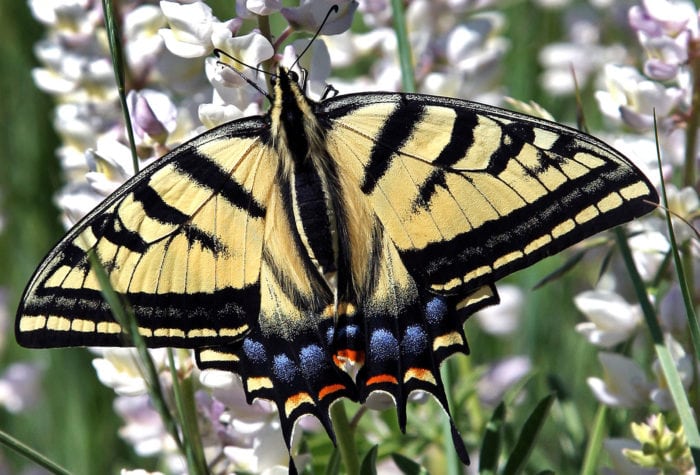
Swallowtail
The Oregon Swallowtail butterfly is the official state insect of Oregon and a true native of the Pacific Northwest. The Swallowtail can be seen in the lower sagebrush canyons of the Columbia River and its tributaries, including the Snake River drainage area. Source: State Symbols USA
Latin name: Papilio oregonius
voices
Cregg Large, member since 2009
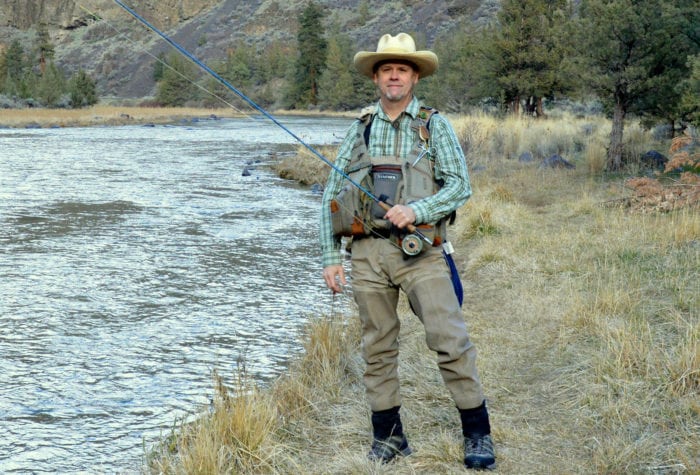
Cregg Large, member since 2009
“I came to Oregon 12 years ago from Texas. Texas, for all its size, has very little public land. Coming to Oregon has made me realize the special gift we as Americans have in our public lands. Volunteering with an organization like ONDA is my way of reciprocating for this gift. Through restoration efforts, I feel we are helping leave a better place than we found it. Through advocating for protection for public lands, we safeguard migration routes for animals and keep the land where it belongs: with the public.”
fact
Young Desert Horned Lizard
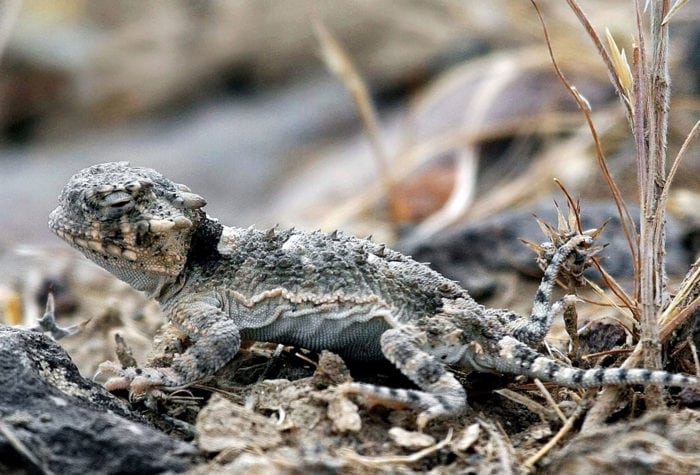
Young Desert Horned Lizard
In the summer these lizards begin foraging for food as soon as their body temperature rises as the heat of the day increases. They feed on slow-moving, ground-dwelling insects. In the fall they hibernate by burying themselves in the sand.
Latin name: Phrysonoma platyrhinos
Organizer: Jefferson Jacobs
Dates: August 13-16, 2026
Region: Greater Hart-Sheldon
Difficulty Rating: Level 3
Maximum Group Size: 15 participants
About the place
This project takes place on the Hart Mountain National Antelope Refuge in the Greater Hart-Sheldon. The traditional homelands of the Northern Paiute, the Greater Hart-Sheldon preserves one of the richest cultural records in North America due to the number and age of sites known to have been utilized by people for thousands of years. Archeologists have documented some of the oldest known evidence of human habitation in North America here, dating back to 14,000 B.C.
Hart Mountain National Antelope Refuge was initially established in the 1930s to protect pronghorn and the vast lands that support the species. Today, the refuge continues to provide important habitat for pronghorn and a wide array of wildlife.
In 2024, catastrophic wildfires burned much of Hart Mountain, impacting fish and wildlife habitat across the refuge. As a result of this fire, streams like Rock Creek were left with decreased vegetation along their banks. This leads to erosion when heavy rain causes high stream flows. This project supports the refuge’s post-fire recovery plan, which will restore and improve streamside habitat by installing beaver dam analogues to retain water and planting native trees and shrubs.
About the stewardship work
Volunteers will install beaver dam analogues along Rock Creek to slow water flows, capture sediment, reverse erosion, and increase groundwater levels to support existing streamside vegetation and future plantings. The work will involve collecting and transporting natural materials to the project site and wading in the stream to incorporate these materials into the dams.
Trip timeline
-
- Thursday, August 13, 6 p.m.: Meet at the campsite near the project location to set up camp. After everyone has arrived, we will have an orientation on the upcoming work.
- Friday, August 14 and Saturday, August 15, 8 a.m.: Walk about a mile down Rock Creek to the work site. Volunteers should plan to be out all day and be prepared for a full day of work.
- Friday, August 14 and Saturday, August 15, 4 p.m.: Return to camp to rest, cook, and explore.
- Sunday, August 16, 8 a.m.: No work is planned. After breakfast, we will pack up camp and head home.
Camp
We will be car-camping at a developed campground on Hart Mountain National Antelope Refuge. The campground is on a gravel road and is accessible for any vehicle. There are pit toilets at the campground, but there is no potable water.
Difficulty
The physical demands of this trip are challenging. Work involves hiking over uneven ground, using hand tools such as shovels, loppers, clippers, and handsaws, working in and carrying prickly vegetation, wading in shallow water, and bending and kneeling for prolonged periods.
Participant responsibilities
Participants are responsible for providing their own transportation to the meeting spot, as well as their own camping gear, food and water/beverages. We recommend bringing a daypack that you are comfortable carrying out to the worksite with your lunch, water and sunscreen or any additional items you need for a full day of work outdoors. Sturdy hiking boots are recommended for the hike to the worksite, as well as water shoes for optional work in the stream. We also recommend bringing your own work gloves to provide a comfortable fit, but this is not required.
Gear provided
ONDA will provide all of the training, tools, and supplies needed to complete the work. Along with expert leadership, ONDA will also bring some group camping gear like tables, chairs, shade tents, and extra drinking water and snacks to share. Safety equipment such as gloves and eye protection will be available if needed.
ONDA’s trip leaders can help organize carpooling for volunteers without access to a vehicle, and we have a limited amount of camping gear available for volunteers to borrow if they do not have their own. Please contact the trip leader for transportation or gear assistance.
Registration
An ONDA registration application and medical form are required for this trip.
Apply Now
Approximately two weeks after submitting your registration application, you will receive an email outlining the trips where you are a confirmed participant. We will also share when trips are full and if you’ve been placed on the waitlist.
Six weeks before the start of the trip, the trip leader will send out an email reconfirming participation. Based on responses, any open spaces will be filled with people from the waitlist.
Three weeks before the trip start date, registered and confirmed participants will receive driving instructions, carpooling options, maps, and additional information in an email sent by the trip leader.
Smoke/Air Quality Policy: The health and safety of our volunteers and staff is ONDA’s top priority. Due to well-documented health risks of exposure to wildfire smoke and associated airborne particulate matter, ONDA will cancel volunteer stewardship trips when the Air Quality Index measures over 100 (within the orange “Unhealthy for Sensitive Groups” level or above) at the closest air quality sensor to the trip location. Registered participants will receive a final confirmation email 72 hours before the trip starts notifying them of whether the trip is proceeding or has been cancelled.
Contact the trip leader with questions.
Your Trip Leader
This trip will be led by Jefferson Jacobs. If you have questions, you can contact him at jjacobs@onda.org
Meet JeffersonBeatys and Mahogany Buttes
There is no developed trail to the top, so the hike begins when you have found a decent spot to park your vehicle. Beatys Butte at 7,885 above sea level […]
Read More