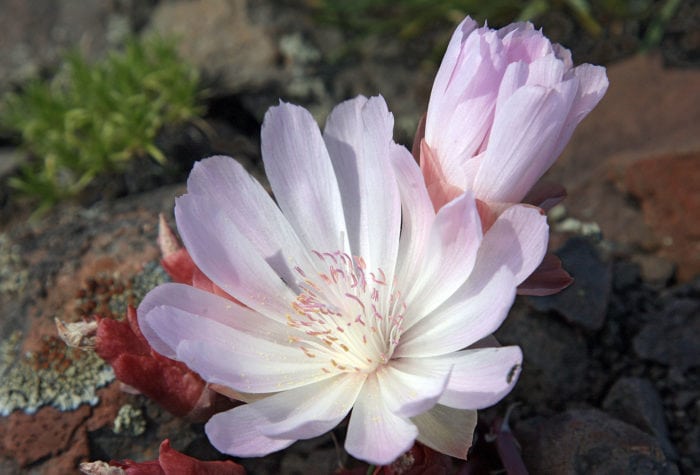
At 4,700 feet tall, Sutton Mountain towers over the surrounding landscape. With a steep, craggy west side and a rolling, grassy eastern face, the mountain is an alluring mix of natural contrasts. The summit offers superb views of the neighboring Painted Hills and Wild and Scenic John Day River and Cascade Mountain peaks in the distance. The mountain is home to bountiful wildflowers in the spring and herds of mule deer and elk. Pronghorn wander the landscape and golden eagles glide overhead.
Preserving a Vibrant Landscape
Sutton Mountain is a 29,000-acre wilderness study area currently managed by the Bureau of Land Management for primitive recreation, naturalness and opportunities to enjoy desert solitude. For more than 20 years, ONDA has led the effort to make this management permanent by advocating for federal action that balances recreation and land use with conservation of wilderness values, fish and wildlife, and paleontological, cultural and geological resources unique to these public lands.
Flora and Fauna
This landscape is the nexus of habitats for the elegant Rocky Mountain elk, sleek pronghorn and nimble mule deer. Golden eagles and ferruginous hawks soar above, while sage sparrows and red-naped sapsuckers flit in the wooded brush below. In spring, the landscape erupts in desert wildflowers and Bridge Creek and other tributaries weave through the landscape, gushing with seasonal water flow that support threatened steelhead.
Geological Significance
This landscape was repeatedly buried by ash, lava, and volcanic mud over millions of years, solidifying and preserving ancient plants and animals. Today, Sutton Mountain features one of the richest concentrations of geological and paleontological resources in Oregon, preserving a staggering 50 million years of geologic activity, prehistoric fossils, and colorful layers of ancient lakebed sediments, volcanic ash, and basalt. The southern flank of Sutton Mountain is one of the best places to view a continuous geologic record in all of North America.
Ancestral Homelands
Sutton Mountain is part of the original homelands of the Warm Springs Tribes and Northern Paiute peoples. The area has avoided disruptive extractive industries, expansive development or intrusive management, and preserves first foods and other resources that remain important to tribes today.
Recreation Opportunities
Sutton Mountain’s backcountry offers opportunities to both adventure-seekers and mellow nature enthusiasts, with many steep hikes ascending Sutton Mountain and some offering a gentler approach. Waterfalls, side canyons, and winding pathways across grassy expanses hills can be found throughout the area.