The Place
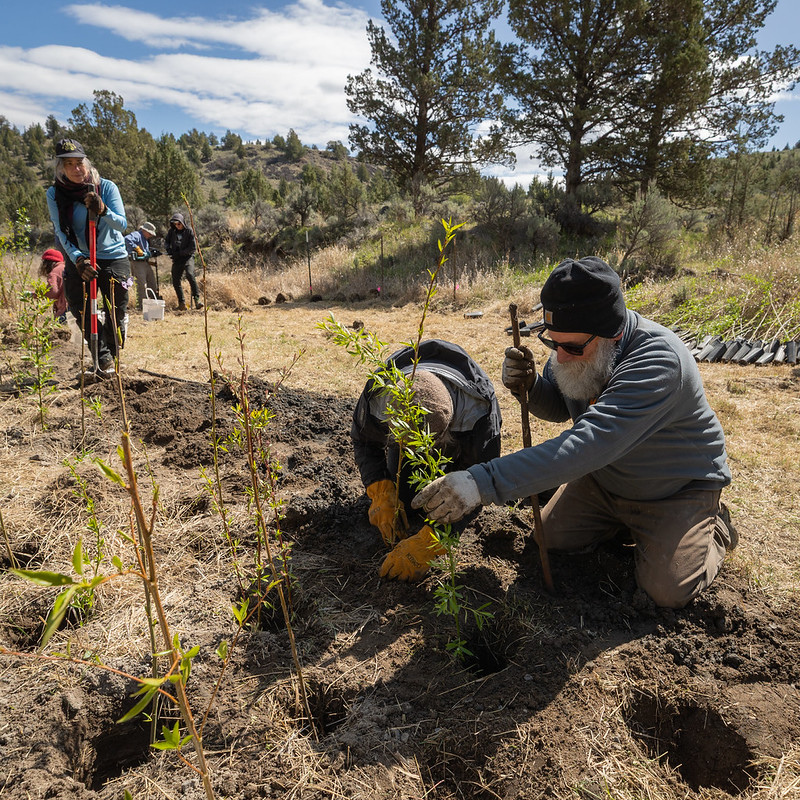
Rising from springs amidst central Oregon’s sagebrush sea, the South Fork Crooked River winds through the canyons of the South Fork Wilderness Study Area before joining up with other tributaries to form the main stem of the mighty Crooked River. Historically, these headwaters were home to migratory fish and thousands of beavers that supported a flourishing ecosystem. But heavy agricultural use and the eradication of essential beavers, a keystone species on the landscape, has since reduced habitat quality and left the watershed out of balance.
When ONDA first began working on the South Fork, the riparian area along the river was almost entirely devoid of native trees and shrubs like willow, cottonwood and aspen that would typically be found along a healthy desert waterway. The ecosystem on the South Fork Crooked River was clearly unhealthy, with elevated water temperatures and high rates of algae growth leaving fish and other river residents struggling for survival.