Author: Mark Salvo | Published: November 6, 2025 | Category: Brief Update
This article originally appeared in the Fall + Winter 2025 Desert Ramblings Newsletter.
ONDA’s advocacy advances state conservation priorities
ONDA has a long and successful record of protecting federal public lands in Oregon’s high desert at the national level. But as the calendar flipped from 2024 to 2025, we spotted a unique opportunity to also advance key conservation priorities for Oregon’s desert lands, waters, and wildlife in state policymaking. So far, we’ve accomplished…
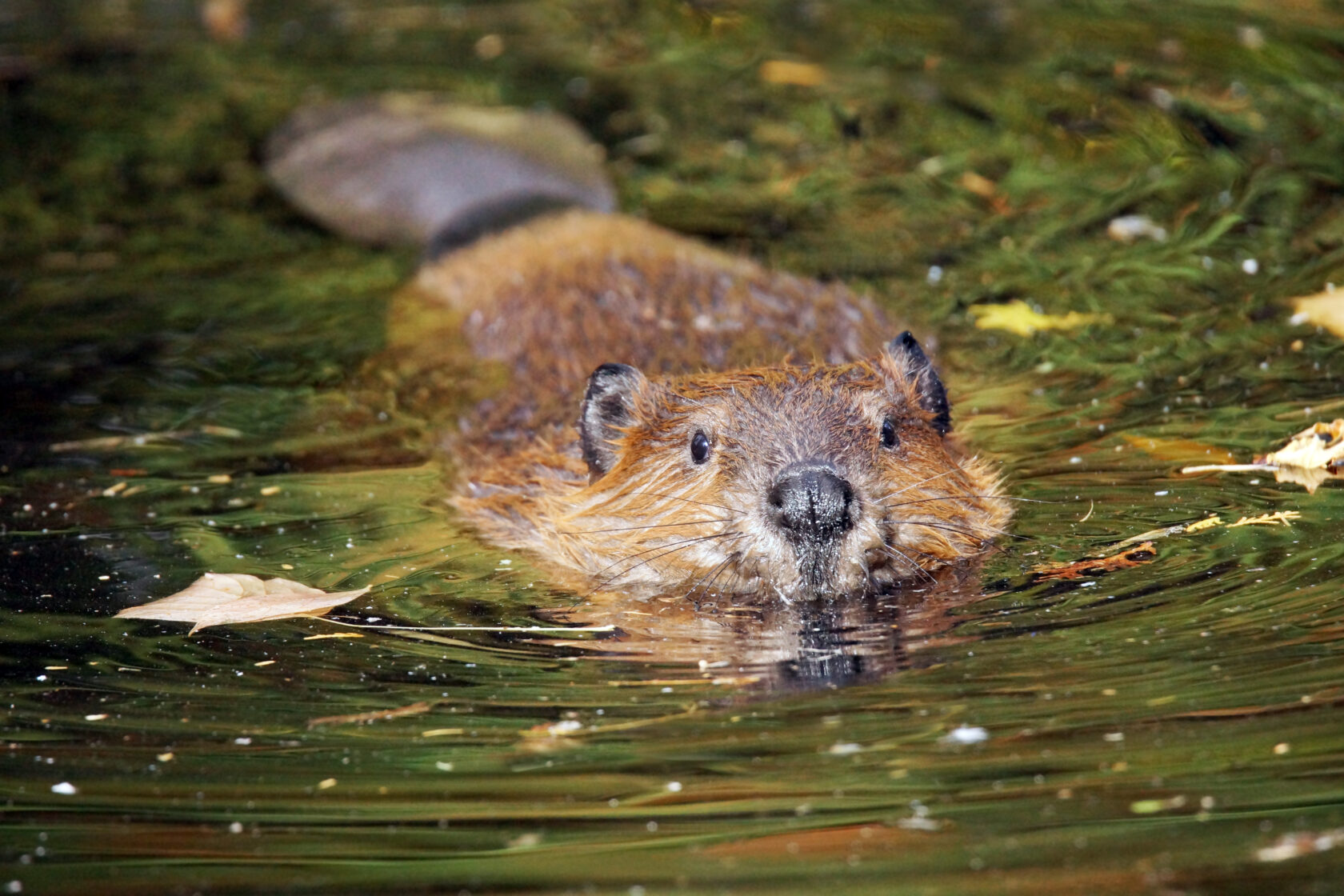
Stream Restoration
Spurred by your advocacy, tens of thousands of miles of rivers and streams across Oregon’s high desert can be more quickly and easily restored thanks to a new law that closes beaver trapping on designated waterways on federal lands. Beavers are a keystone species that create and maintain high quality streamside habitat that supports hundreds of species of wildlife, including in the iconic Malheur, John Day and Owyhee river watersheds.

Wildlife conservation
At ONDA’s encouragement, the Oregon Department of Fish and Wildlife proposed adding more than two dozen high desert wildlife and plant species to its statewide conservation strategy—a critical first step toward reversing population declines. We are hoping to add even more to the list, including some vulnerable desert wildflowers that deserve protection.
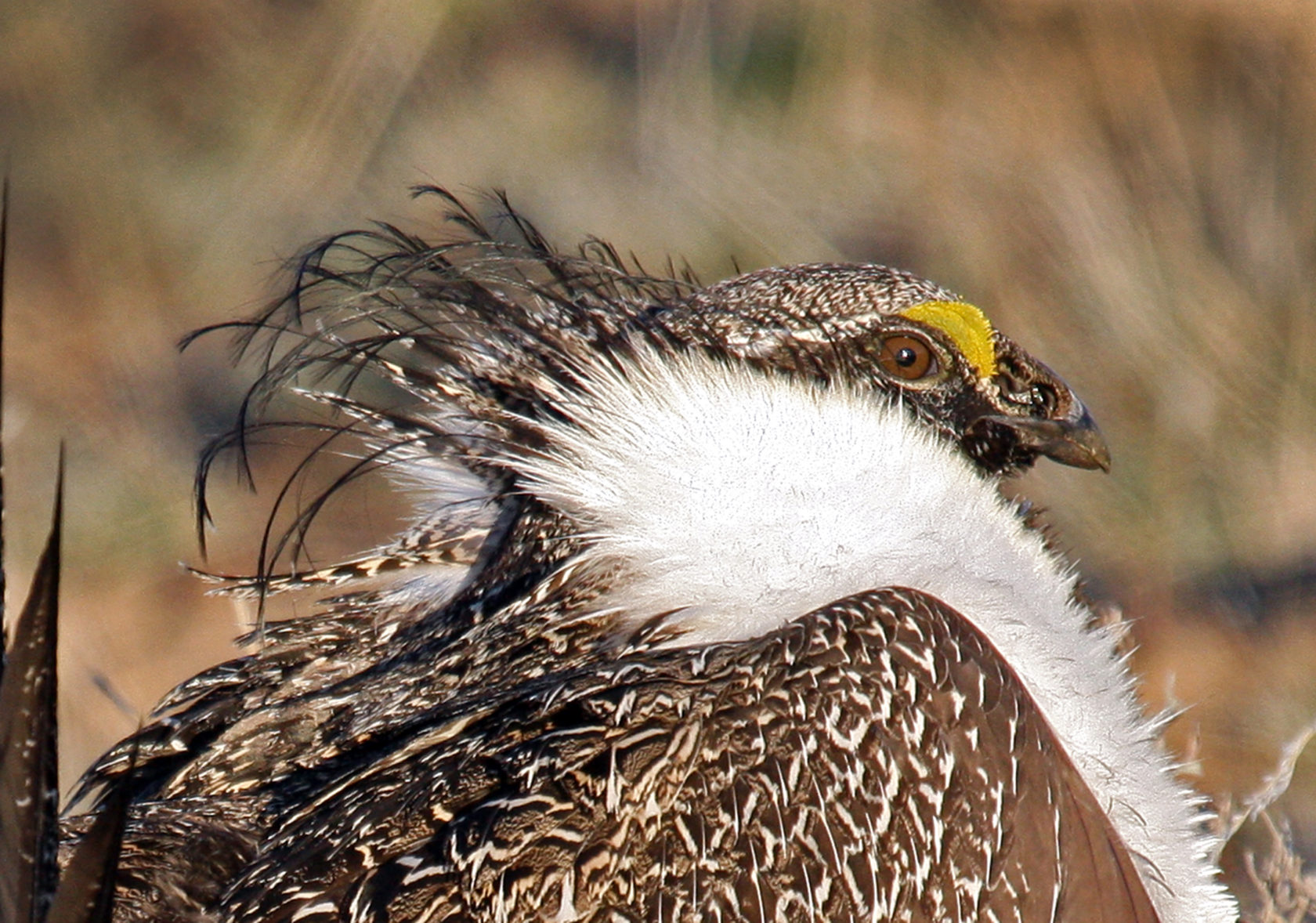
Sage-grouse protection
Our enduring commitment to conserving Oregon’s most imperiled desert wildlife resulted in expanded protections across more than 5 million acres of sage-grouse priority habitat in the high desert. At ONDA’s urging, the Oregon Land Development Commission then adopted new, larger sage-grouse range maps that will determine where any new development must avoid or mitigate for impacts to the species.
The exceptional conservation gains ONDA helped to secure for Oregon’s high desert at the state level this year complement our enduring commitment to protect, defend and restore federal public lands. This comprehensive approach will ensure the strongest possible conservation outcomes.