Author: Scott Bowler | Published: July 1, 2026 | Category: Desert Outing
This article originally appeared in the Spring + Summer 2026 Desert Ramblings Newsletter.
Head to Malheur National Wildlife Refuge for easy and abundant viewing options
In French, the name Malheur means “misfortune and bad luck.” Perhaps this comes from the area’s occasional harsh conditions. But wildlife enthusiasts will know that, contrary to its name, southeastern Oregon’s Malheur National Wildlife Refuge is the place to go for good fortune when the aim is spotting wildlife.
The Malheur refuge and the surrounding areas provide some of Oregon’s premier wildlife watching opportunities, especially for birds. This 187,757-acre refuge contains mainly wetlands and provides a great diversity of particular habitats—supporting an amazing array of animal users. Just beyond the refuge, the public lands on Steens Mountain to the east and the rolling sagebrush steppe to the west provide a rich and diverse habitat matrix, supporting what may be among the most varied animal populations in Oregon.
See Wildlife
Birds
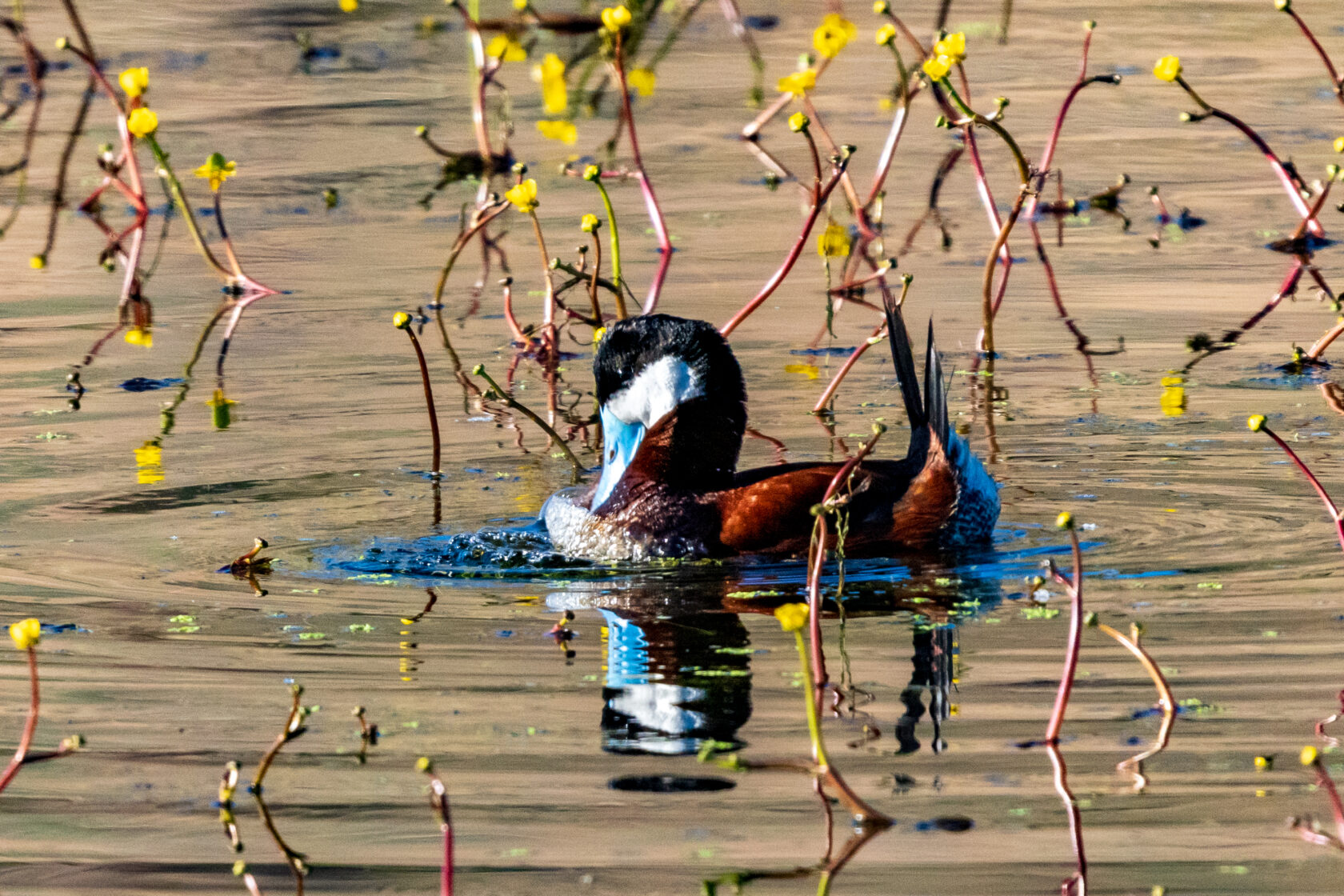
More than 340 bird species call Malheur National Wildlife Refuge home, but migrating birds are the stars of the show. Migrants start arriving in March and typically peak in May. Many birds just stop over before heading farther north, but others will spend their breeding season in the area.
Look especially for sandhill cranes, Ross and snow geese, swans, many different ducks (shovelers, teal, ruddy), plenty of shorebirds (American avocet, stilts, sandpipers, willets), and many perching birds (sparrows, warblers, blackbirds, shrikes, swallows).
If viewing raptors is your goal, winter times is best, and spring songbird spotting is not to be missed.
Expert Tip: Migratory birds can be especially abundant in the diverse wetlands along the Donner and Blitzen River running northwards from French Glen towards Malheur and Harney Lakes.
Mammals

The refuge’s essential habitat also supports some 67 mammal species. Larger mammals abound in summer and fall, and they tend to frequent the uplands around the refuge headquarters and the southern Blitzen Valley.
The refuge is most notably home to mule deer, pronghorn and elk, and the refuge headquarters is again an easy and excellent viewing area. After the snow melts off for the season, venture further afield when roads open that give access to the high country. Here you’ll also find pronghorn, deer, elk, as well as elusive bighorn sheep.
Expert Tip: Higher elevation locations tend to be better for finding high desert mammals. Plus, if you venture up there in the summer, you’ll also be treated to wildflowers.
Enjoy the Area
Start your visit early at the refuge headquarters, during a weekday if you can. With support from the Friends of the Malheur Refuge organization, headquarters has abundant resources including bird lists, maps, driving tour brochures, and staff and volunteers to field questions. Next, head down the Central Patrol Road to enjoy the auto tour. You’ll find many lakes, ponds, marshes and thickets to visit, each home to different species depending on the season.
With great camping and lodging options nearby, consider spending a night or two as there is so much to see and do in the area, including miles of great hiking trails, open alpine wandering through diverse wildflowers, beautiful aspen groves, and gorgeous ponds and streams.
Expert Tip: Don’t just drive through the refuge. Bring your binoculars, sun protection, bug spray, hiking gear, and explore at a leisurely pace on foot.
Stewarding the Refuge
ONDA has worked with refuge staff and other partners for decades to restore habitat and improve conservation management on the refuge. Learn more about recent efforts on our Malheur National Wildlife Refuge page.