2026 Deschutes Canyon Habitat Restoration #2
James Parsons
listen
South Fork Crooked River and Birds
South Fork Crooked River and Birds
fact
Swallowtail
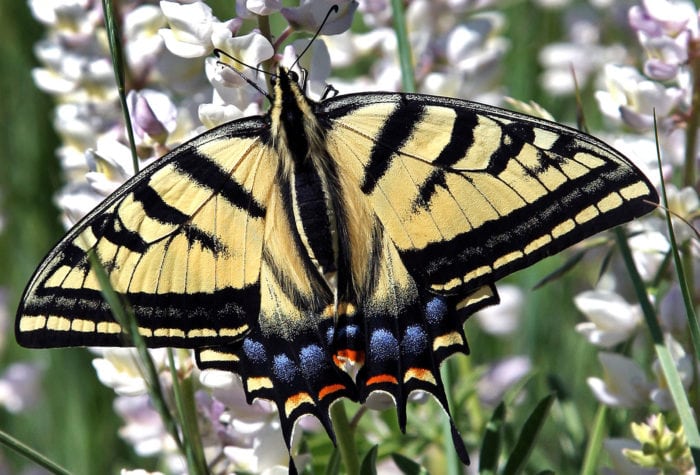
Swallowtail
The Oregon Swallowtail butterfly is the official state insect of Oregon and a true native of the Pacific Northwest. The Swallowtail can be seen in the lower sagebrush canyons of the Columbia River and its tributaries, including the Snake River drainage area. Source: State Symbols USA
Latin name: Papilio oregonius
voices
Cregg Large, member since 2009
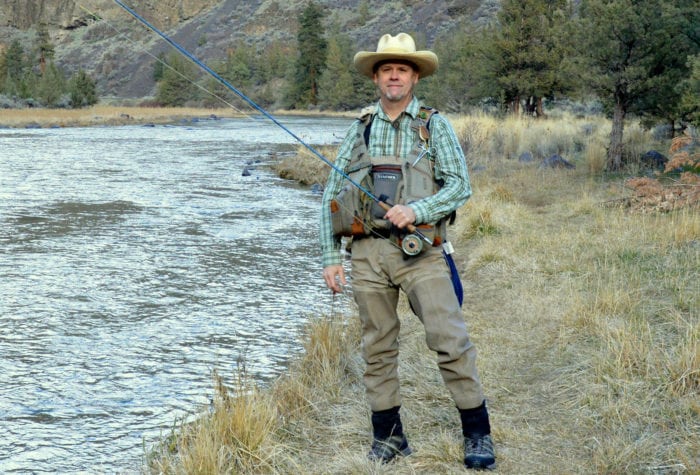
Cregg Large, member since 2009
“I came to Oregon 12 years ago from Texas. Texas, for all its size, has very little public land. Coming to Oregon has made me realize the special gift we as Americans have in our public lands. Volunteering with an organization like ONDA is my way of reciprocating for this gift. Through restoration efforts, I feel we are helping leave a better place than we found it. Through advocating for protection for public lands, we safeguard migration routes for animals and keep the land where it belongs: with the public.”
Organizer: Gena Goodman-Campbell
Date and Time: November 6, 2026, 10:00 a.m. to 4 p.m.
Region: Central Oregon Backcountry
Difficulty Rating: Level 2
Maximum Group Size: 15 participants
About the place
ONDA’s conservation work takes place on the traditional lands of the Northern Paiute, Wasco, Warm Springs, Bannock and Shoshone people, as well as ceded lands of the Confederated Tribes of the Umatilla Indian Reservation, and on lands currently managed by the Burns Paiute Tribe and the Confederated Tribes of Warm Springs. Many Indigenous peoples live in Oregon’s high desert region today, including members of the Burns Paiute Tribe, the Confederated Tribes of Warm Springs (Wasco, Warm Springs and Paiute), the Klamath Tribes (Klamath, Modoc and Yahooskin) and the Fort McDermitt Paiute and Shoshone Tribe.
Located west of Terrebonne, Oregon, the Middle Deschutes Wild and Scenic River flows through a deep, rugged canyon that remains remarkably untouched despite close proximity to development. Salmon and steelhead call these waters home, and mule deer, golden and bald eagles, and many species of songbirds are also found in the area. The popular recreation destinations of Steelhead Falls and Scout Camp Trail are also nearby.
About the stewardship work
This project will restore illegal motorized routes that have been closed by the Bureau of Land Management in the Deschutes Wild and Scenic River corridor. Volunteers will use natural materials collected on site to disguise the routes and hand tools such as rakes and shovels to spread native seed and plant potted shrubs and grasses.
Trip Timeline
- Friday, November 6, 10 a.m.: Meet at a public parking area along the Deschutes River. Volunteers should plan to be out all day and be prepared for a full day of work.
- Friday, November 6, 4 p.m.: Return to our vehicles and head home.
Difficulty
The physical requirements for this project are light to moderate. Volunteers will hike up to two miles, both on and off trail, over mostly flat terrain. The work will require the use of hand tools to install seed and plants, and volunteers will carry natural materials such as small rocks and logs materials over short distances.
Participant responsibilities
Participants are required to provide their own transportation to the project meeting point, as well as their own food and water/beverages for the day. We recommend bringing this in a daypack that you are comfortable carrying all day. Participants should check the weather in advance and bring sufficient attire and layers for a full day outdoors. Sturdy hiking boots are recommended. We also recommend bringing your own work gloves to provide a comfortable fit, but this is not required.
Gear provided
ONDA will provide all training, tools and supplies required for the work. Safety equipment such as work gloves and eye protection will be available, and we’ll have extra water and snacks if needed.
Registration
An ONDA registration application and medical form are required for this trip.
Apply Now
Approximately two weeks after submitting your registration application, you will receive an email outlining the trips where you are a confirmed participant. We will also share when trips are full and if you’ve been placed on the waitlist.
Six weeks before the start of the trip, the trip leader will send out an email reconfirming participation. Based on responses, any open spaces will be filled with people from the waitlist.
Three weeks before the trip start date, registered and confirmed participants will receive driving instructions, carpooling options, maps, and additional information in an email sent by the trip leader.
Contact the trip leader with questions.
Meet Your Trip Leader
This trip will be led by ONDA's Stewardship Director, Gena Goodman-Campbell. For questions about the trip you can contact her by email gena@onda.org.
Meet GenaRestoring Desert Ecosystems
ONDA works with partners, communities, and the public to improve habitat quality, create healthy ecosystems, sustain clean water, and support biodiversity in the high desert’s most ecologically important areas. What […]
Read More