“A diverse and magical place”

Beth Macinko

fact

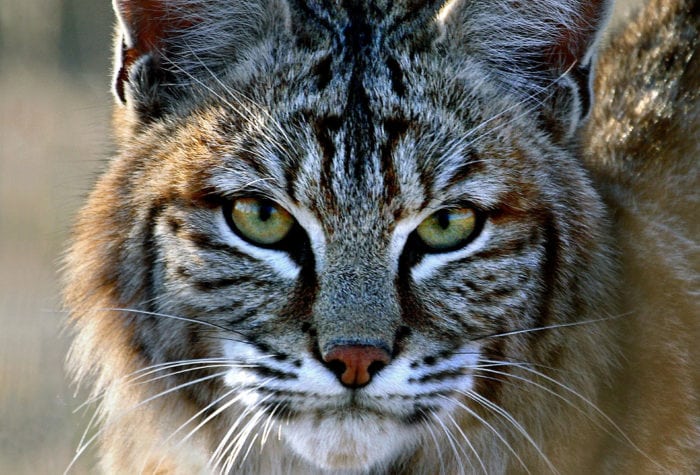
Bobcat

Bobcat

Found only in North America, where it is the most common wildcat, the bobcat takes its common name from its stubby, or “bobbed,” tail. The cats range in length from two to four feet and weigh 14 to 29 pounds. Bobcats mainly hunt rabbits and hares, but they will also eat rodents, birds, bats, and even adult deer.

Latin name: Lynx rufus fasciatus


fact

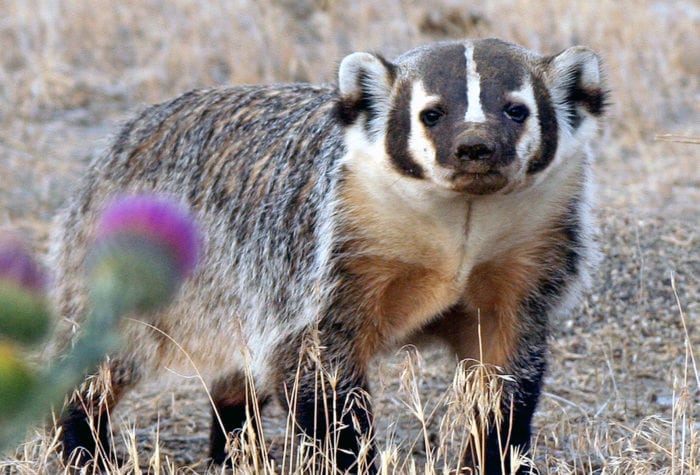
Badger

Badger

Badgers are generally nocturnal, but, in remote areas with no human encroachment, they are routinely observed foraging during the day. They prefer open areas with grasslands, which can include parklands, farms, and treeless areas with crumbly soil and a supply of rodent prey.

Badgers are born blind, furred, and helpless. Their eyes open at four to six weeks.

Latin name: Taxidea taxus

fact

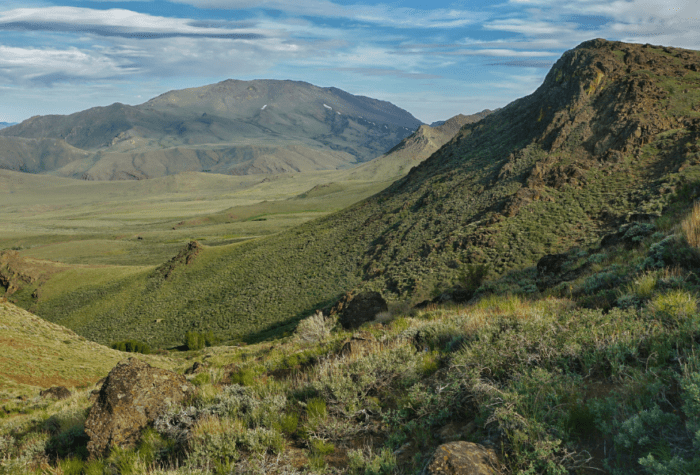
What defines Oregon’s high desert?

What defines Oregon’s high desert?

Bounded by the Cascade Mountains to the west and the Blue Mountains to the north, Oregon’s high desert covers approximately 24,000 square miles. Annual rainfall in the high desert varies from 5 to 14 inches. The average elevation is 4,000 feet; at 9,733 feet, the summit of Steens Mountain is the highest point in Oregon’s high desert. The terrain of the high desert was mostly formed by a series of lava flows that occurred between 30 and 10 million years ago.

Sources: The Oregon Encyclopedia; Wikipedia  

The crew and Forest Service staff in front of the newly completed fence along Little Crane Creek


Looking back on their season, the crew found some of the most physically challenging projects were the ones they were proudest of, including:

  • Hiking rugged terrain during the June heat wave to remove juniper from 170 acres, restoring open sagebrush habitat for greater sage-grouse.
  • Maintaining beaver dam analogs to promote continued riparian restoration along Camp Creek.
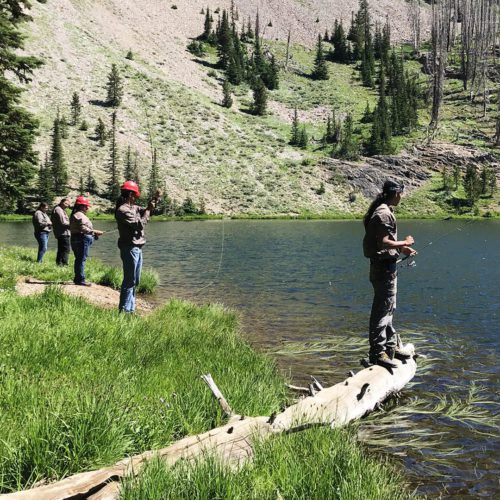
  • Learning to fly fish to catch and remove invasive brook trout from the Strawberry Mountains.
  • Building over 500 feet of wooden buck and pole fence (in just two days!) and repairing wire fence to protect critical bull trout habitat.

In addition to the sense of accomplishment at completing work projects, the crew was also proud of the community they were able to build with each other. The crew laughed together at falling in beaver holes along stream banks, shared fun times catching invasive crayfish for dinner and swimming in Magone Lake, and supported each other through challenges.

Fishing for invasive brook trout at High Lake


Seeing parts of Oregon they hadn’t been to before was yet another highlight of the program. When asked how they’d describe the desert, the crew gushed:

“A diverse and magical place.”

“Some of the best sunrises in the world.”

“The beautiful wildflowers.”

“Fast-flowing rivers running through it like veins to feed the forests and desert.”

“Seeing the stars clearly.”

“Full of bugs and animals and birds.”

“HOT!!”

The crew gained more experience in fields they were already familiar with, like fisheries and range fence work, and were introduced to new fields, like paleontology and wildlife biology. Seeing the day-to-day work of different conservation careers helped members see pathways they may be interested in exploring later on.

We’re grateful to Duane, Audie, Mo, Wes, Cam, Parish, and Diamond for taking part in the Tribal Stewards program this year. While this desert-focused session is over, most of this Tribal Stewards crew is continuing on to a second session of projects along the Columbia River Gorge and we wish them a successful rest of their season!

Beth Macinko

Conducting fish surveys with Burns Paiute Tribe along Lake Creek

“A diverse and magical place”

Tribal Stewards reflect on the 2021 season In early July, we introduced you to the 2021 Tribal Stewards crew. Now that they have wrapped up their five-week session of restoration […]

Read More
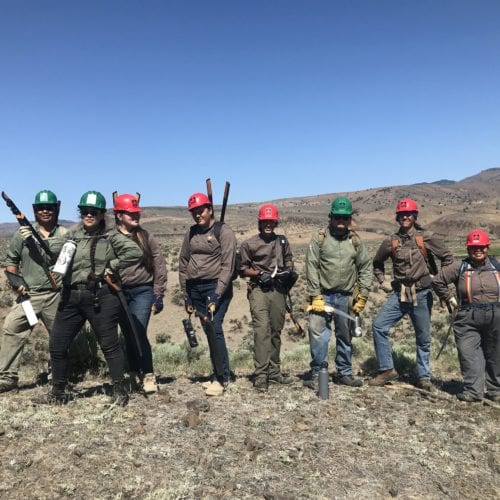
Meet the 2021 Tribal Stewards Crew

This summer, a determined crew of Indigenous young adults is gaining professional experience in conservation, restoration and natural resource management, as our second season of the Tribal Stewards initiative, run […]

Read More
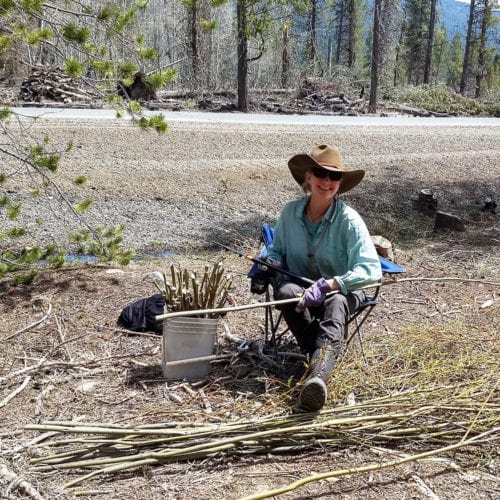
Helping Fish, Addressing Fire and Drought

Author: Beth Macinko  |  Published: June 21, 2021  |  Categories: Look Back ONDA volunteers plant thousands of willow and repair fences in the Malheur watershed The native bull trout and […]

Read More
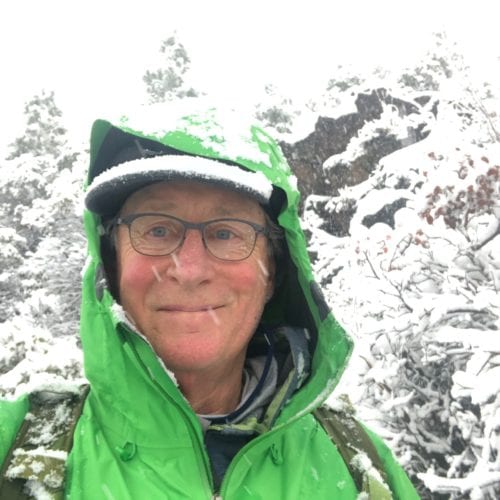
2020 Conservationist of the Year

Scott Bowler When we reached Scott to let him know that we wanted to acknowledge him as ONDA’s 2020 Conservationist of the Year, he was out on a hike along […]

Read More
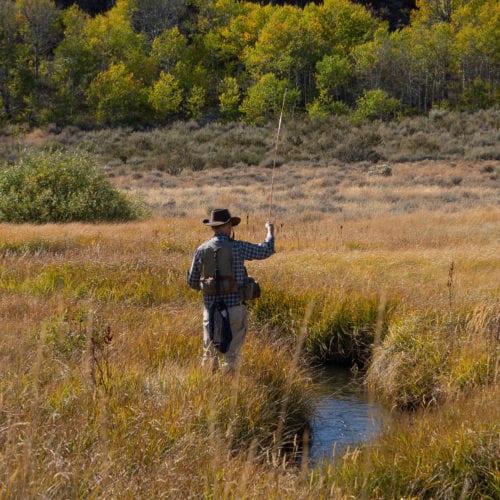
What Wild and Scenic
Looks Like

Did you know that, in addition to rivers, the Wild and Scenic Rivers Act can also protect creeks, streams and lakes?  Wild and Scenic desert waters take many forms and […]

Read More

“My favorite spot on earth …”

When Sen. Ron Wyden invited Oregonians to nominate rivers and creeks for protection under the Wild and Scenic Rivers Act in fall 2019, hundreds of people spoke up to nominate […]

Read More
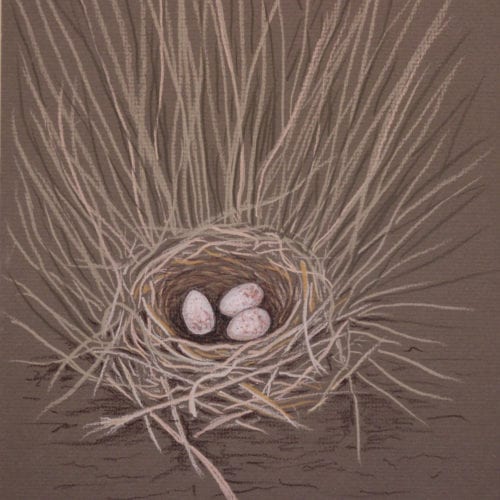
Drawn to Nests

One day in spring of 2014, I started drawing bird nests. I didn’t stop for almost a year. These drawings began as a way for me to explore my curiosity […]

Read More
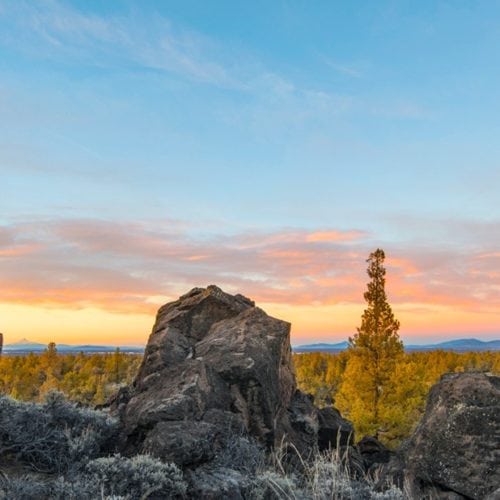
What Can I Do?

Last Updated: April 14, 2020 It’s mid-April 2020 and we are seeing a positive response to Governor Brown’s stay at home order that is helping to keep COVID-19 cases at […]

Read More
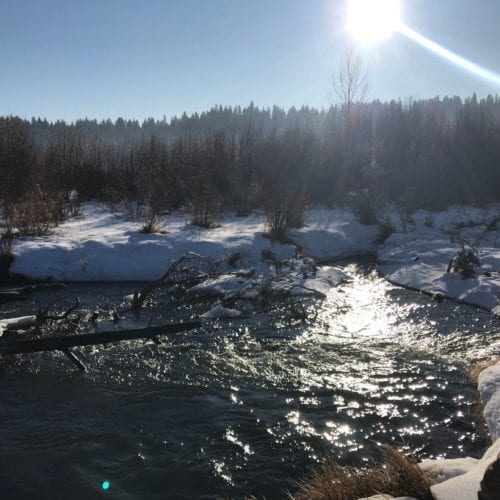
Why We’re Nominating
Whychus Creek

The following Wild and Scenic River nomination was written by the Bend Senior High School Environmental Club. Whychus Creek: a Nomination as a Wild and Scenic River We rely on […]

Read More
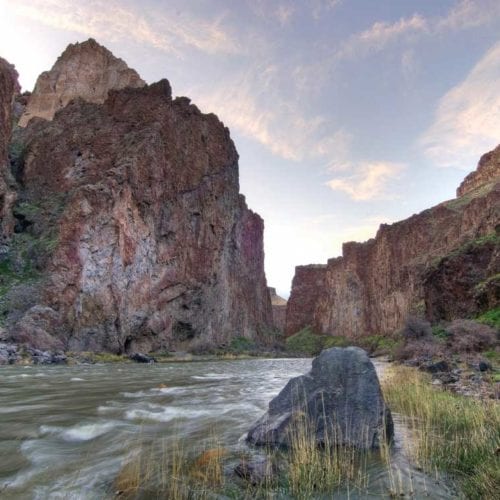
Mary Gautreaux –
2019 Alice Elshoff Desert Conservation Award winner

“The deeper truth is that anybody who knows Mary knows she is an original and unforgettable force of nature — fierce on behalf of Oregonians, bold in her problem-solving, always […]

Read More