Our conservation and stewardship priorities in 2026.
Oregon’s high desert is home to dramatic desert canyons, expansive sagebrush grasslands, craggy peaks, magnificent rivers and a broad diversity of wildlife that depend on healthy, intact ecosystems to thrive.
In 2025, Oregon Natural Desert Association made important conservation progress. In the year ahead, we’ll build on these accomplishments and will sustain our unwavering commitment to protect, defend and restore Oregon’s high desert.
ONDA’s 2026 priorities include a focus on defending existing conservation protections and expanding grassroots, community-led advocacy to support our long-term conservation goals. We will also promote evidence-based approaches to land management and work with our partners to restore the high desert’s most essential landscapes and habitat.
Each of you—ONDA’s members, volunteers and advocates—will play a crucial role as we build the groundswell of community support necessary to conserve public lands, waters and wildlife across the region.
Please join us in accomplishing the following 2026 priorities:
Defending the high desert
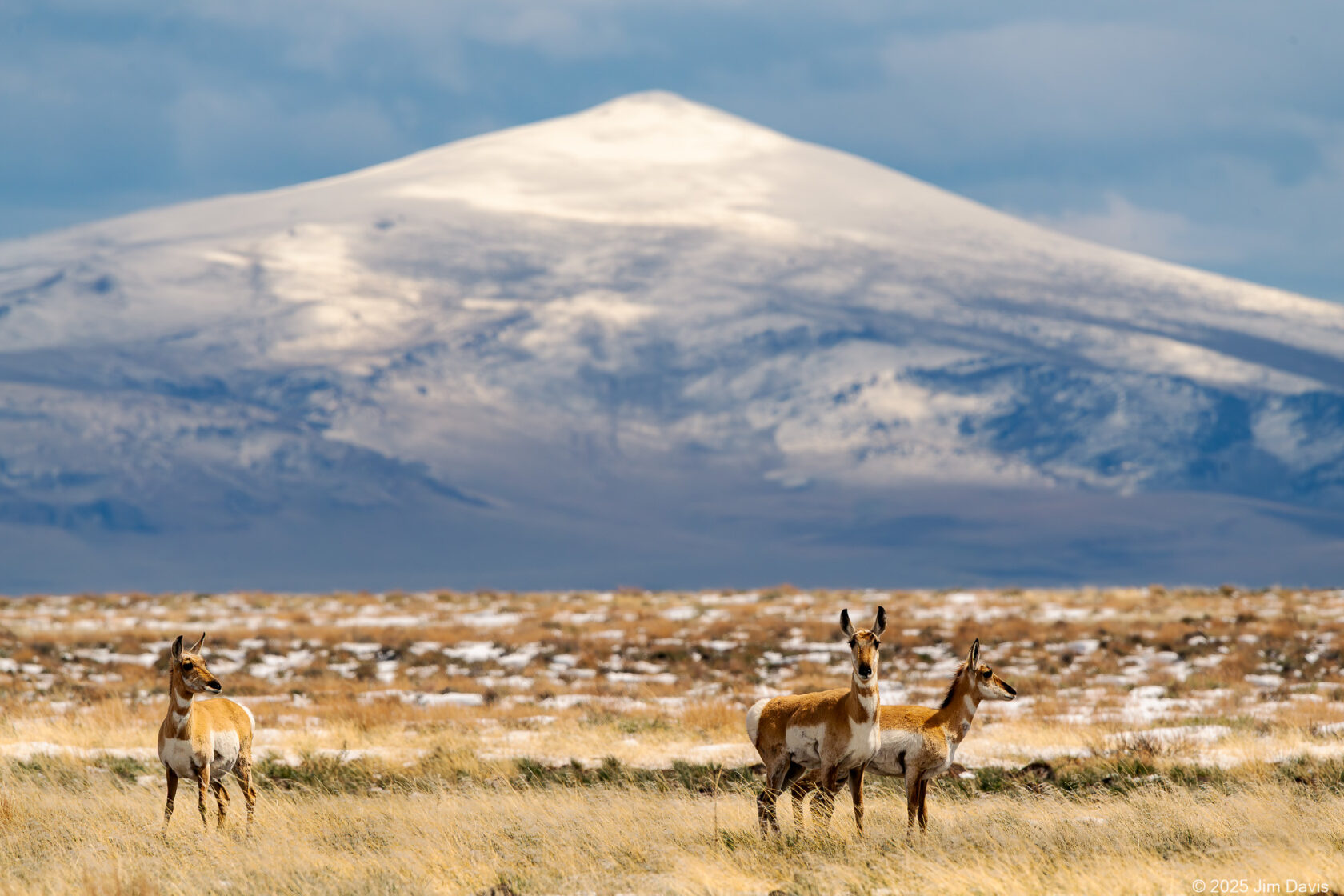
Nothing is more important in the year ahead than defending Oregon’s high desert. ONDA will remain a stalwart advocate for wildlife and habitat conservation in 2026. We will stand our ground to sustain key protections for wildlands in the Greater Hart-Sheldon and Owyhee Canyonlands, and we will join with partners to uphold protections for the iconic greater sage-grouse, migratory birds, the fleet-footed pronghorn, industrious beaver, and dozens of other key high desert species. ONDA will also join partner organizations, Tribal Nations and community leaders to oppose industrial-scale mining operations proposed in the McDermitt Creek watershed. Serving as your resolute Oregon desert watchdog, ONDA will also adamantly oppose any emerging efforts that would undermine conservation protections or diminish eastern Oregon’s public lands.
Restoring key habitats

ONDA has been restoring key habitats across Oregon’s high desert for decades. In 2026, we’re thrilled to launch our ambitious restoration project on Robinson Creek in the John Day’s Pine Creek Conservation Area, develop new projects along Willow Creek in the Trout Creek Mountains, and continue restoration work along the South Fork of the Crooked River in Central Oregon. These projects are fueled by ONDA’s dedicated volunteers and are enriched by our partners. In particular, we’re pleased to welcome a new cohort of Tribal Stewards in the year ahead. These young adults from local Tribes and Indigenous communities will work with us to improve habitat across the region.
Developing community-based solutions
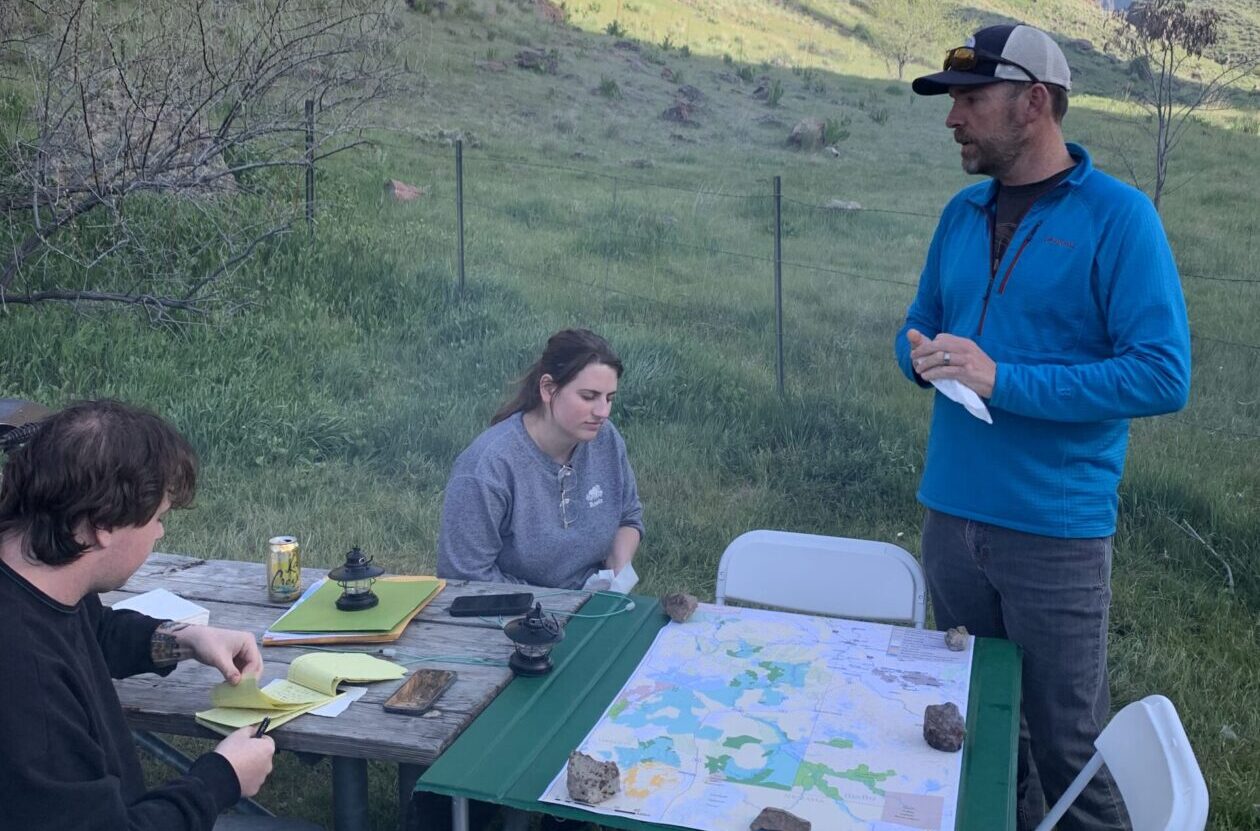
ONDA works with local interests, Tribal and Indigenous communities, recreational users, and others to identify shared values and develop broadly supported approaches to conserving public lands, waters and wildlife. In the year ahead, these partnerships will advance efforts to protect and restore migratory bird habitat at Lake Abert, protect the Owyhee Canyonlands, build a community-supported conservation vision in the John Day River Basin, and improve wildfire management across the high desert. ONDA’s engagement in these local, community-based initiatives will grow support for conservation and shape durable solutions to long-term conservation needs.
Deepening support for protecting the Owyhee Canyonlands
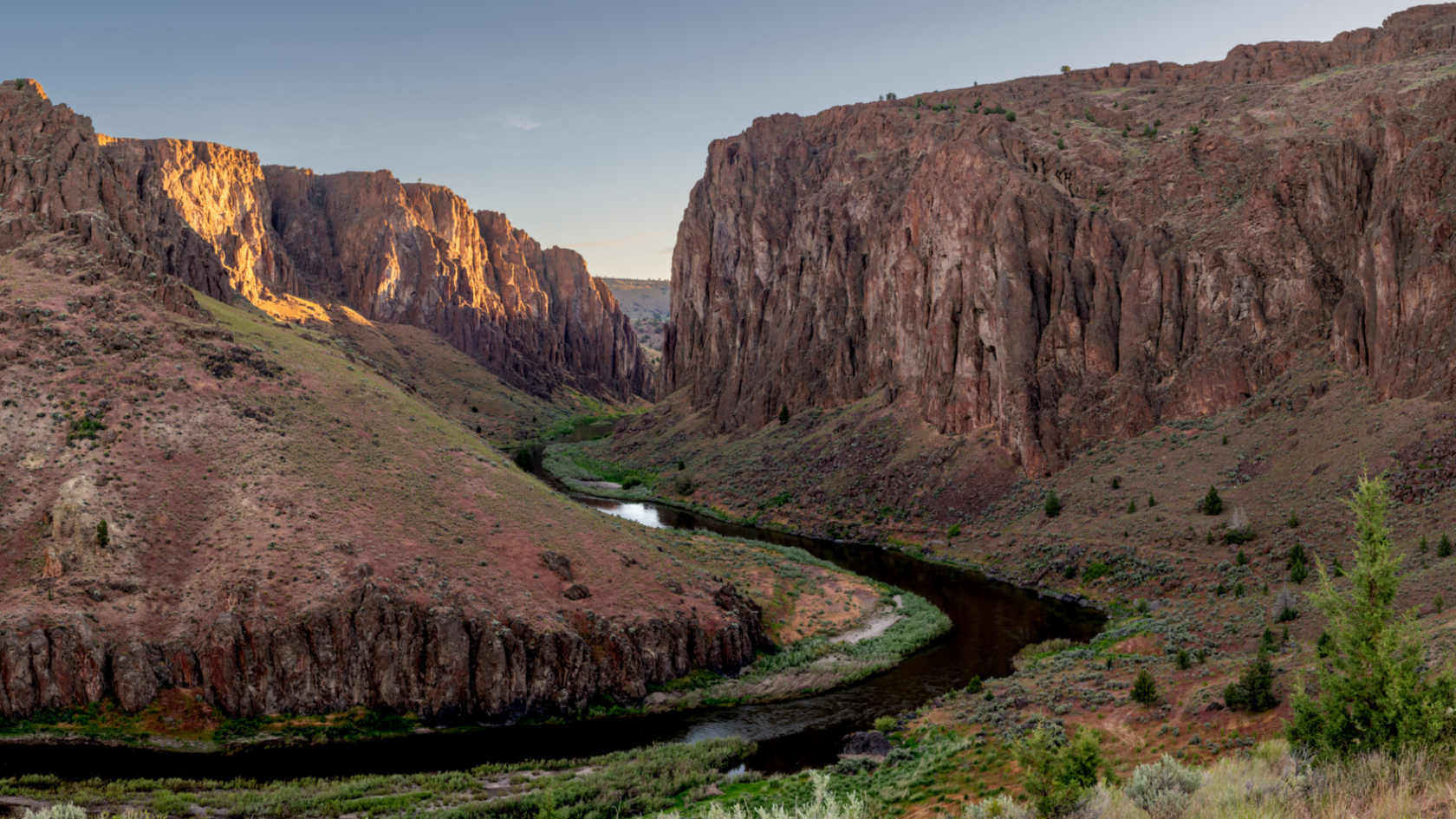
The Owyhee Canyonlands remains the nation’s largest single conservation opportunity, with more than 1 million acres of protections proposed for this rugged and awe-inspiring corner of Oregon’s high desert. For the past several years, ONDA has led an expansive coalition representing millions of people and including Tribal Nations, elected officials, businesses, and community groups.
In the year ahead, backed by this strong base of advocates, we’ll ensure our campaign is well positioned to capitalize on future leadership and priority changes in Washington, D.C. To permanently protect this impressive landscape, we will forge partnerships, recruit new supporters, and leverage the incredible advocates already in place to oppose any effort to undermine existing Owyhee protections while continuing to create viable pathways to protect the Owyhee going forward.
Promoting improved science and management
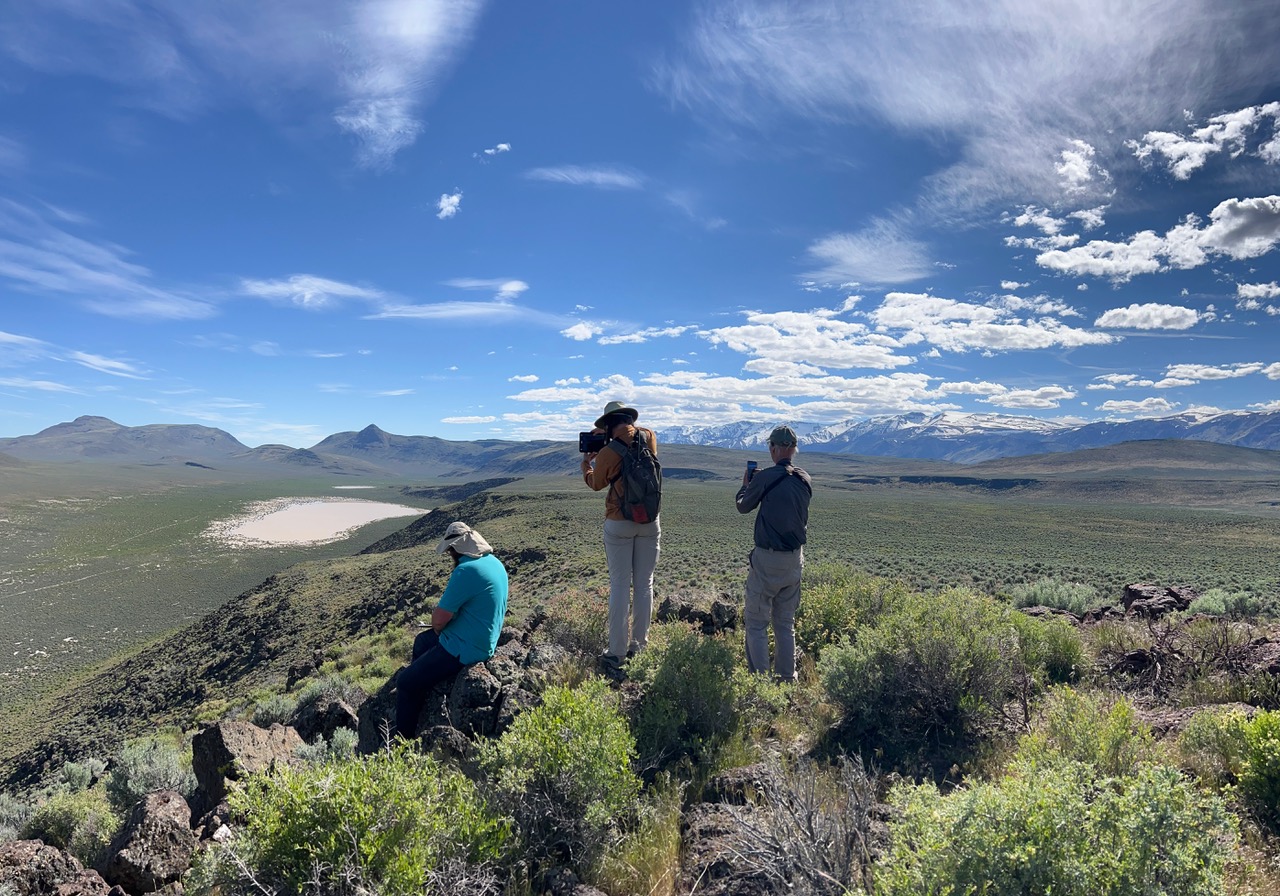
ONDA’s evidence-based approach to conservation and stewardship requires a long-term commitment to research, monitoring and evaluation to ensure that our strategies adapt to new information and evolving pressures, such as climate change. In 2026, ONDA will team up with university researchers to evaluate wildfire recovery on Hart Mountain and assess how habitat in this unique corner of the high desert recovers in the absence of livestock grazing. And, we’ll tackle the next phase of our project to gather data on several hundred thousand acres in the vicinity of Steens Mountain. Documenting conditions on these public lands will allow us to advocate for new protections in one of the high desert’s most prized landscapes.
Growing our community of conservation advocates
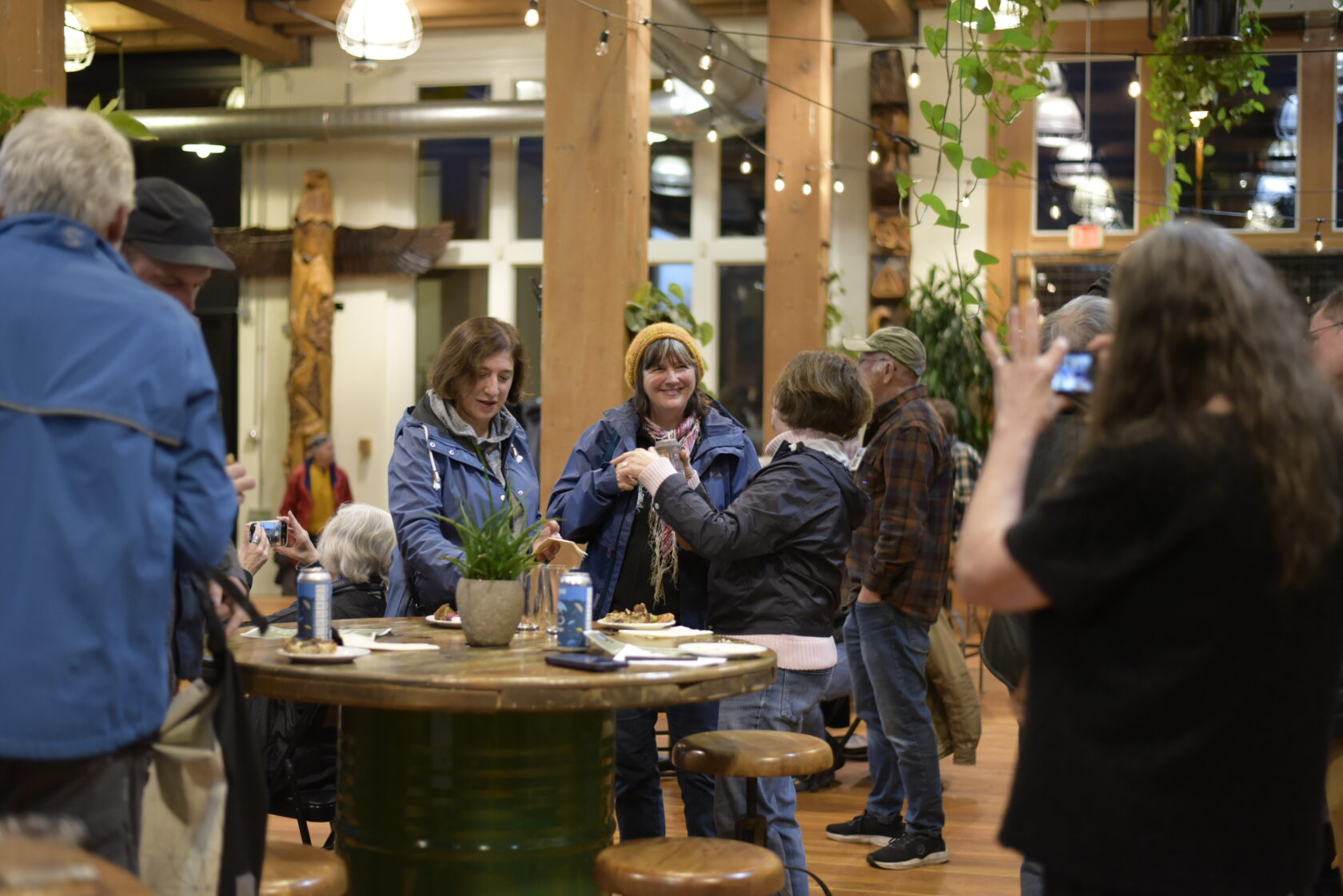
Grassroots engagement and advocacy will continue to provide the foundation that fuels ONDA’s conservation and restoration work in 2026. In the year ahead, ONDA members, supporters and volunteers will drive advocacy in local communities and with agency leaders and elected officials. ONDA will provide a slate of events, stewardship trips, online opportunities and more to welcome, inform, inspire and engage an ever-growing community of effective and passionate desert advocates.
We look forward to taking on new opportunities and advancing long-term priorities in the coming year, while opposing any emerging threats to the health and vitality of desert lands, waters and wildlife. Together, we will rise to meet every challenge. And, we will do what we do best: protect, defend and restore Oregon’s high desert, now and always.
Thank you for your enduring commitment to Oregon desert conservation in 2026.