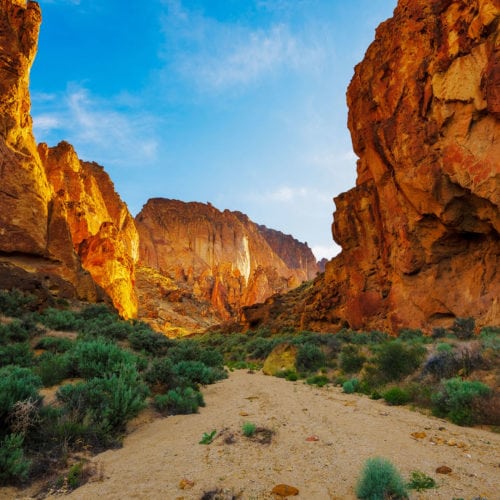
A Dozen Desert Wonders

Andrew Sambuceto

fact

What defines Oregon’s high desert?

What defines Oregon’s high desert?

Bounded by the Cascade Mountains to the west and the Blue Mountains to the north, Oregon’s high desert covers approximately 24,000 square miles. Annual rainfall in the high desert varies from 5 to 14 inches. The average elevation is 4,000 feet; at 9,733 feet, the summit of Steens Mountain is the highest point in Oregon’s high desert. The terrain of the high desert was mostly formed by a series of lava flows that occurred between 30 and 10 million years ago.

Sources: The Oregon Encyclopedia; Wikipedia  

fact

Badger

Badger

Badgers are generally nocturnal, but, in remote areas with no human encroachment, they are routinely observed foraging during the day. They prefer open areas with grasslands, which can include parklands, farms, and treeless areas with crumbly soil and a supply of rodent prey.

Badgers are born blind, furred, and helpless. Their eyes open at four to six weeks.

Latin name: Taxidea taxus

voices

Durlin Hicock, Alice Elshoff Award winner

Durlin Hicock, Alice Elshoff Award winner

“Protecting public land is part of my spiritual being. It’s central to my identity to be in wilderness and to see it protected.” Durlin is proud to protect public lands for future generations, saying, “The highlight of my childhood was our family’s weekend outdoor trips. I look forward to my grandchildren having similar experiences outside in their lifetimes, and it wouldn’t be possible without ONDA.”

Abert Rim

Greg Shine

Wildflowers

Loads of interesting wildflower species bloom from early March through July, depending upon elevation and precipitation. Try these areas: the Upper Crooked River Basin (April-June), Steens Mountain (June-Aug), Owyhee Uplands and Leslie Gulch (March-June), Oregon Badlands Wilderness (March-May), Sutton Mountain (March-June), Spring Basin Wilderness (April-June), and the Oregon Canyon Mountains (May-July), or the easily accessible Sagehen Hill Nature Trail near Hines.

Springtime Bird Migration

An impressive array of bird life migrates through the desert from April into early June, with a May peak. Notable hot spots include: Malheur Wildlife Refuge, the Warner Wetlands below Hart Mountain, Lake Abert, Summer Lake, Fields Station, and the banks of the Owyhee, Malheur, Silvies and Crooked Rivers.

Interesting Rocks

In June, how about a geology field trip to hunt for obsidian, petrified wood, thunder eggs, opals and agates? Two places to collect are Obsidian Buttes and the sunstone digging areas north of Warner Valley. As water levels drop, try rockhounding in the tributaries to the lower John Day River between Clarno and Mitchell, or throughout Owyhee country.

The Badlands

Mark Darnell

Swimming Holes

Swimming in the desert? You betcha! Many desert lakes and rivers have warmed up quite a bit by July, so get out for a swim, or tubing, pack rafting, or even paddle boarding and kayaking. The Lake Owyhee area (via Leslie Gulch access road or via a backpacking trip into the Honeycombs area) and the John Day River Basin are especially scenic.

Backcountry Campsites

In August, pack the camping gear. For sure, it’s hot, but higher elevations offer pleasant temperatures. For fantastic backpacking and day hiking, explore the high lakes and ridge lines of the Steens, the Pueblos or the Owyhee Uplands. More options: hike DeGarmo Canyon to Hart Mountain summit, mountain bike Winter Rim, backpack the Trout Creek Mountains, or explore the upper Crooked, Silvies, Malheur and John Day Rivers.

Autumnal Bird Migration

As September heralds fall, southbound bird migrations bring sandhill cranes, swans, songbirds and waterfowl. Explore riparian areas, especially Malheur Wildlife Refuge around Burns, Lakes Abert and Summer, and any montane meadows.


John Day River

Greg Burke

Golden Aspen Groves

In October, enjoy fall color in the glorious aspen groves on Steens Mountain, the edge of Winter Rim, along the upper Crooked River, and the Trout Creek and Oregon Canyon Mountains.

Hot Springs

November is prime time to soak up a desert sunset while soaking in a hot spring. Developed hot springs are located at Summer Lake Hot Spring Resort, Crane Hot Springs, the Alvord Desert Hot Springs and the Hot Springs Campground on Hart Mountain National Antelope Refuge.

Dark Skies

Close out your year of wonders with stargazing in some of the darkest skies in the country. Head to the Malheur area, Alvord Desert, or the John Day Fossil Beds National Monument, or gaze from any of the high plains below the mountain ridges throughout the region.

Steens Mountain

Rick Samco

Important Note on Safety

As you figure out how to reach the places mentioned, know that venturing into the high desert demands a high level of preparation and self-sufficiency, and that you and your vehicle must be up to your chosen trek.

About the author: Scott Bowler is a retired science educator and frequent ONDA volunteer. Read more of his work.

A Dozen Desert Wonders

Author: Scott Bowler  |  Published: February 21, 2023 |  Category: Where-to This article originally appeared in The Source on January 11, 2023. Oregon’s high desert – that vast expanse of sagebrush […]

Read More
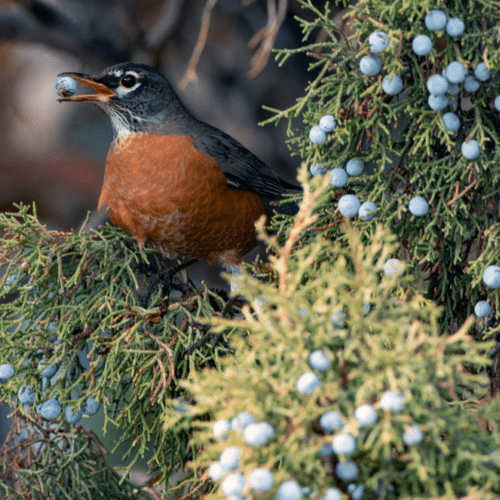
Species Spotlight: Western Juniper

Author: Scott Bowler  |  Published: December 21, 2022  | Category: Species Spotlight  This article originally appeared in The Source on December 7, 2022. The ubiquitous tree that warrants a closer […]

Read More
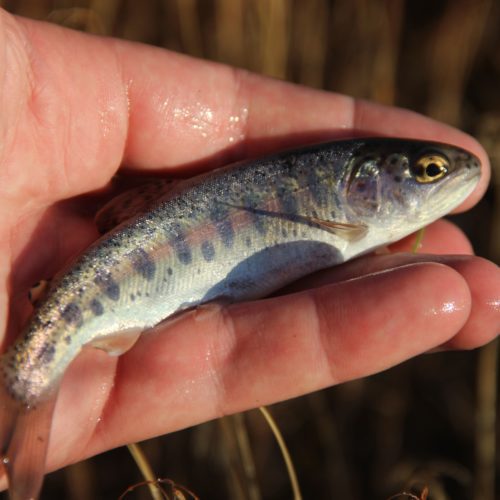
Species Spotlight: Steelhead

Author: Scott R. Bowler  |  Published: April 20, 2022  |  Category: Species Spotlight The long & short life history of Oncorhynchus mykiss Did you know that the fish we call […]

Read More
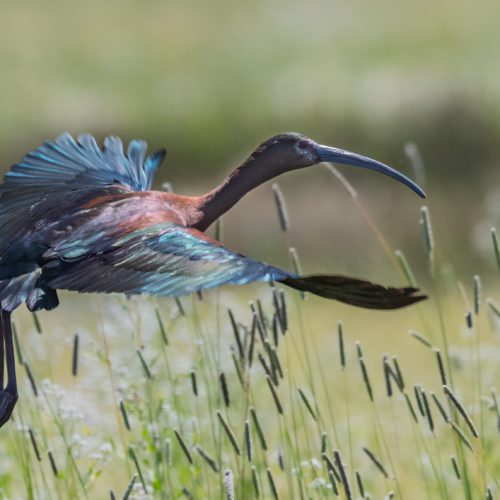
How-To:
See Desert Wildlife in Spring

Author: Scott R. Bowler  |  Published: April 5, 2022  | Category: How-To What’s to be seen during the vernal hinge of the year? Spring, of course, means snow melts, lake […]

Read More
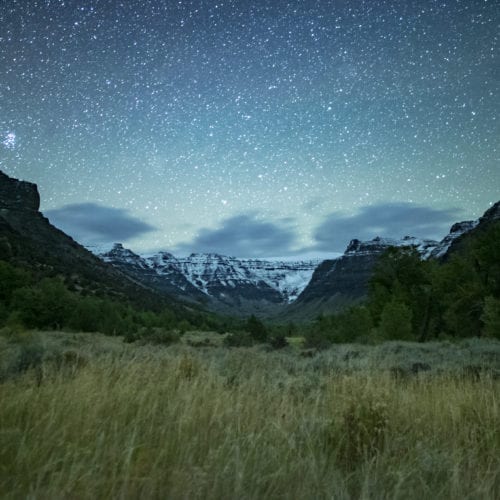
Wonders by Day and Night

Author: Scott Bowler  |  Published: January 14, 2022  |  Category: Where-to    A  month-by-month guide to appreciating Oregon’s high desert As the tenth largest state in the union, Oregon offers […]

Read More
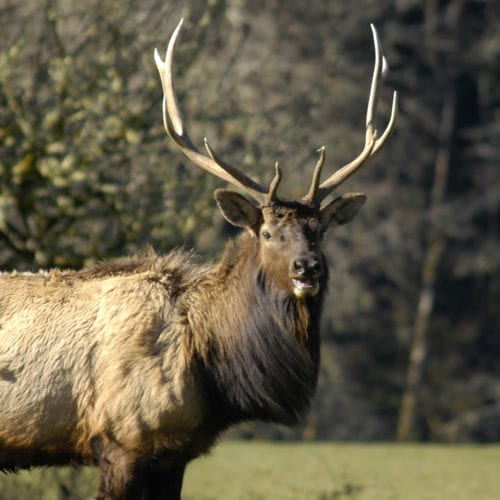
Winter Wildlife Watching

By Scott Bowler What’s there to do in the desert in the winter? Watch wildlife! In many ways, especially at lower elevations, winter’s cold weather can provide some great hiking […]

Read More
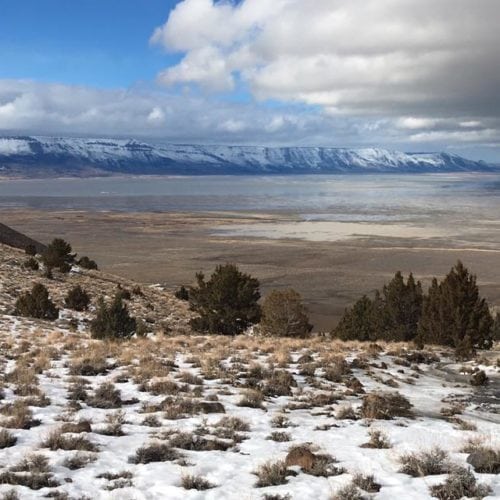
Signs of Winter

Author: Scott Bowler  |  Published: Dec. 15, 2020  |  Updated: Dec. 21, 2021  |  Category: Phenology Winter may seem harsh, and it is indeed a difficult time to live outdoors, […]

Read More
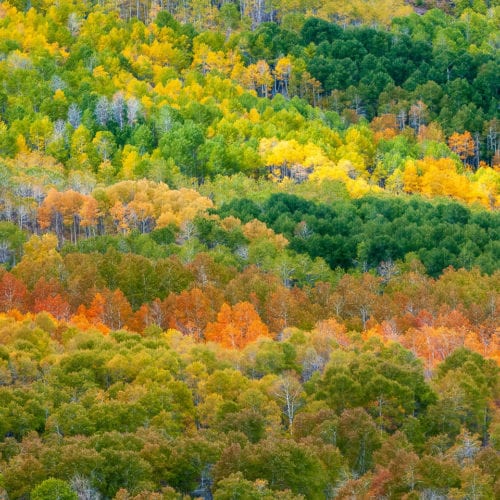
Signs of Fall

Autumn is a time of transition in Oregon’s high desert. The cooler days and cooler nights bring a wave of rust-red and brilliant yellow hues into this generally sage-green and […]

Read More
Summertime Strategies

Wow, it’s hot out there in the high desert! At least much of the time … not so much at night … and not every day either. (I can clearly […]

Read More
Signs of Summer

Author: Scott Bowler  |  Published: July 2, 2020  |  Updated: June 3, 2021  |  Category: Phenology Across Oregon’s high desert, plants and animals spend the summer months “searching” — for […]

Read More