Author: Mark Salvo, Senior Advisor, and Gena Goodman-Campbell, Stewardship Director | Published: November 24, 2026 | Category: Essay
This article originally appeared in the Fall + Winter 2026 Desert Ramblings.
Hart Mountain National Antelope Refuge is among the most important remaining sagebrush strongholds in the American West. Established in 1936 to conserve pronghorn (historically misnamed “antelope”), the refuge encompasses expansive sagebrush grasslands, sparkling creeks, lush mountain meadows, verdant aspen groves, and dramatic rocky ridges that provide habitat for hundreds of native species. Pronghorn, greater sage-grouse, bighorn sheep, pygmy rabbit, native trout, and countless species of migratory birds depend on this remarkable Oregon desert landscape.
Hart Mountain’s public lands would not be what they are today if not for the removal of domestic livestock from the refuge in 1990. Oregon Natural Desert Association’s community played a role in achieving this extraordinary and controversial conservation milestone. Over the last 34 years, native vegetation, desert springs, streams and meadows, and fragile soils steadily recovered from more than a century of grazing impacts. Free from chronic grazing disturbance, the refuge has become a living demonstration of the resilience of high desert ecosystems while also protecting increasingly rare intact sagebrush habitat.
The Warner Peak Fire
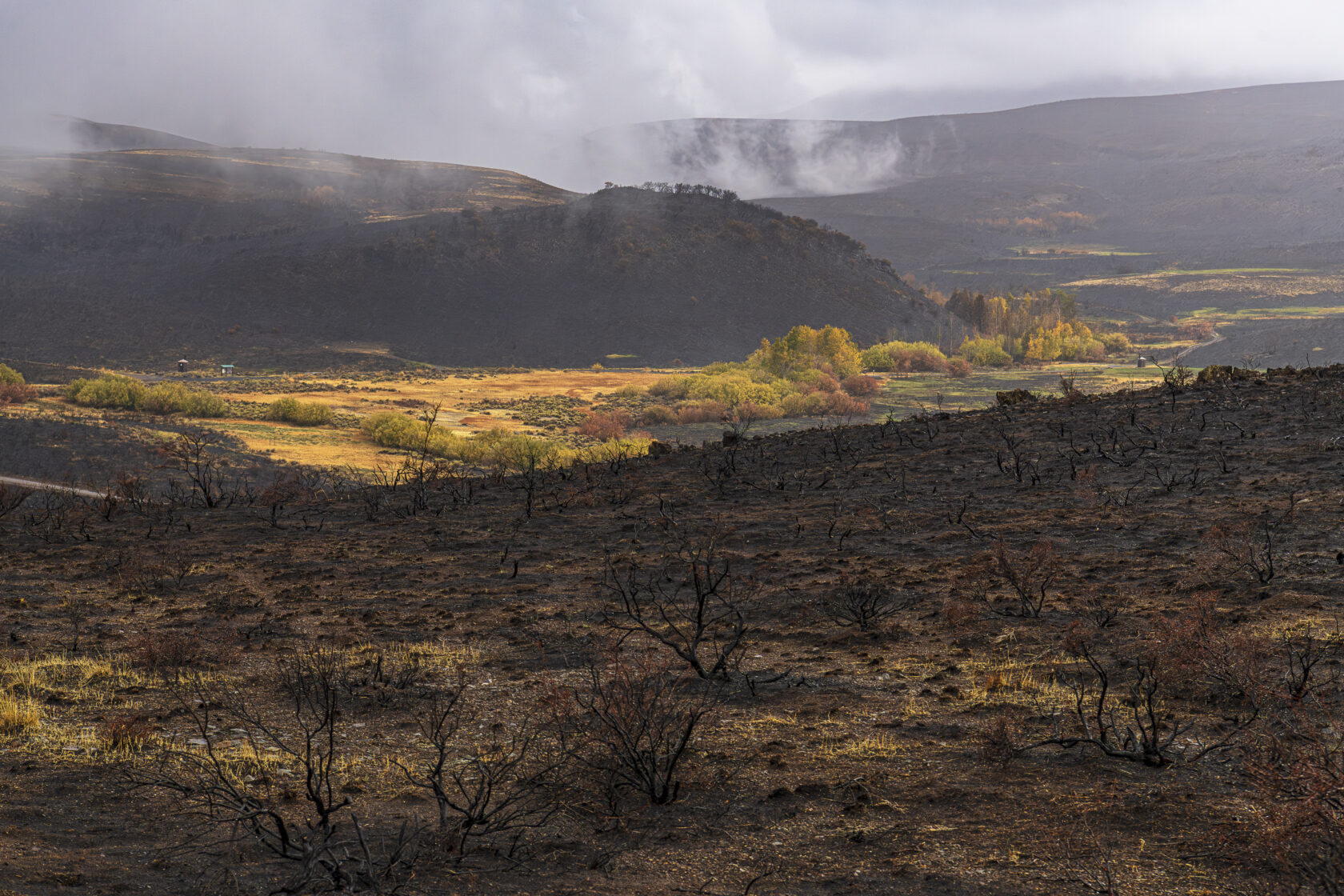
In August 2024, Mother Nature presented the refuge with a new challenge. Lightning ignited a wildfire along the refuge’s rugged western escarpment. Driven by hot, windy conditions, the Warner Peak Fire raced down the broad eastern slope of the refuge, scorching ecologically rich mountain shrublands and streamside habitats. The fire raged for 24 days before it was fully contained, burning more than 65,000 acres—nearly one-quarter of the refuge.
Wildfire is a natural part of sagebrush ecosystems, and Hart Mountain has experienced periodic fires throughout its history. But Oregon’s high desert is no longer the same landscape it was even a few decades ago. Climate change and invasive annual grasses now fuel hotter, larger, and more frequent fires than historically occurred in the region. Native shrubs recover slowly, while invasive grasses such as cheatgrass rapidly colonize burned areas, outcompeting native vegetation, increasing the likelihood of future fires and creating a destructive feedback cycle.
Eastern Oregon offers stark examples. The Long Draw Fire (2012), Miller Homestead Fire (2012), and Buzzard Complex Fire (2014) together burned more than one million acres and left extensive cheatgrass invasion in their wake. As the smoke cleared from the Warner Peak Fire, ONDA and our partners wondered: would Hart Mountain tell a different story?
Hart Mountain Post-Fire Recovery Research Project
Even before firefighters had finally extinguished the Warner Peak Fire, ONDA began assembling a scientific team to study the refuge’s recovery. Understanding how Hart Mountain responds is important not only for the refuge itself, but also for what it may reveal about restoring and managing other sagebrush landscapes affected by wildfire across the West.
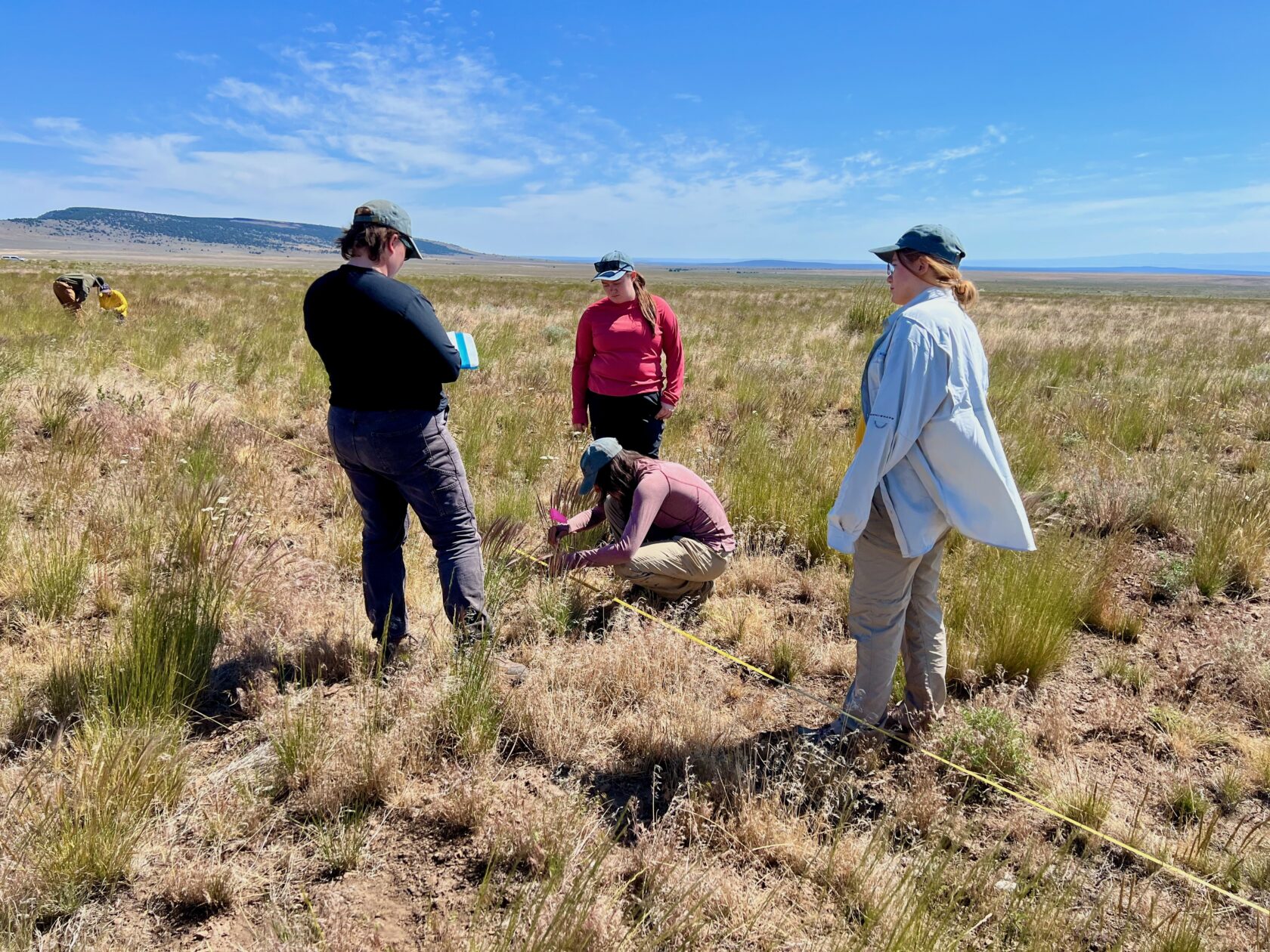
We were thrilled to partner with Dr. Michael Reisner of Augustana College and Dr. Lisa Ellsworth of Oregon State University to design a long-term study comparing burned and unburned areas on the refuge. With no time to lose, scientists, students, and field technicians gathered at Hart Mountain in late June this year to establish study sites and collect the first season of data. The group was also joined by Dr. Rick Miller and Dr. David Pyke, two of the nation’s leading sagebrush ecologists, who shared invaluable observations and offered impromptu lessons on sagebrush steppe and post-fire recovery.
What we discovered was both sobering and encouraging.
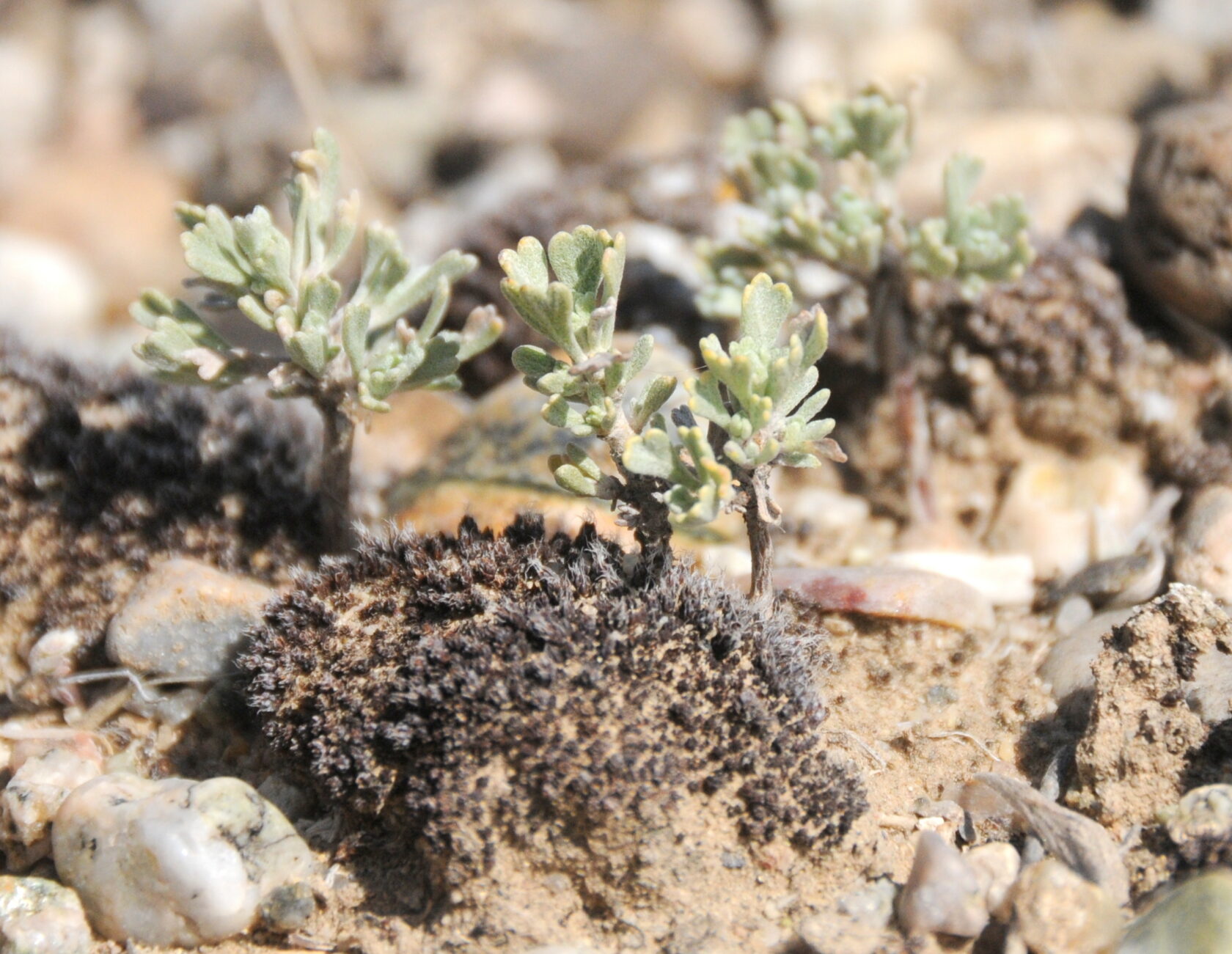
While invasive annual grasses have crowded into some burned areas, native grasses and wildflowers had also emerged from the ashes, and tiny sagebrush, bitterbrush, and snowberry seedlings had sprouted across many of our study plots. Perhaps the refuge ecosystem, having not been grazed by livestock for more than 30 years, has greater resilience to wildfire than surrounding, grazed public lands?
Over the coming years, we will continue measuring vegetation recovery to better understand how this extraordinary landscape responds to one of the defining conservation challenges facing sagebrush steppe in Oregon and across the West.
Partnering on Refuge Restoration
In the meantime, ONDA is also partnering with the refuge to complete urgent restoration actions on Rock Creek and other waterways impacted by fires. In 2025, severe storms brought heavy rainfall that eroded the banks of Rock Creek, which lost much of its streamside vegetation in the fire. These conditions were contributing to further harm, with every big storm flooding the popular Hot Springs Campground and damaging nearby habitat.
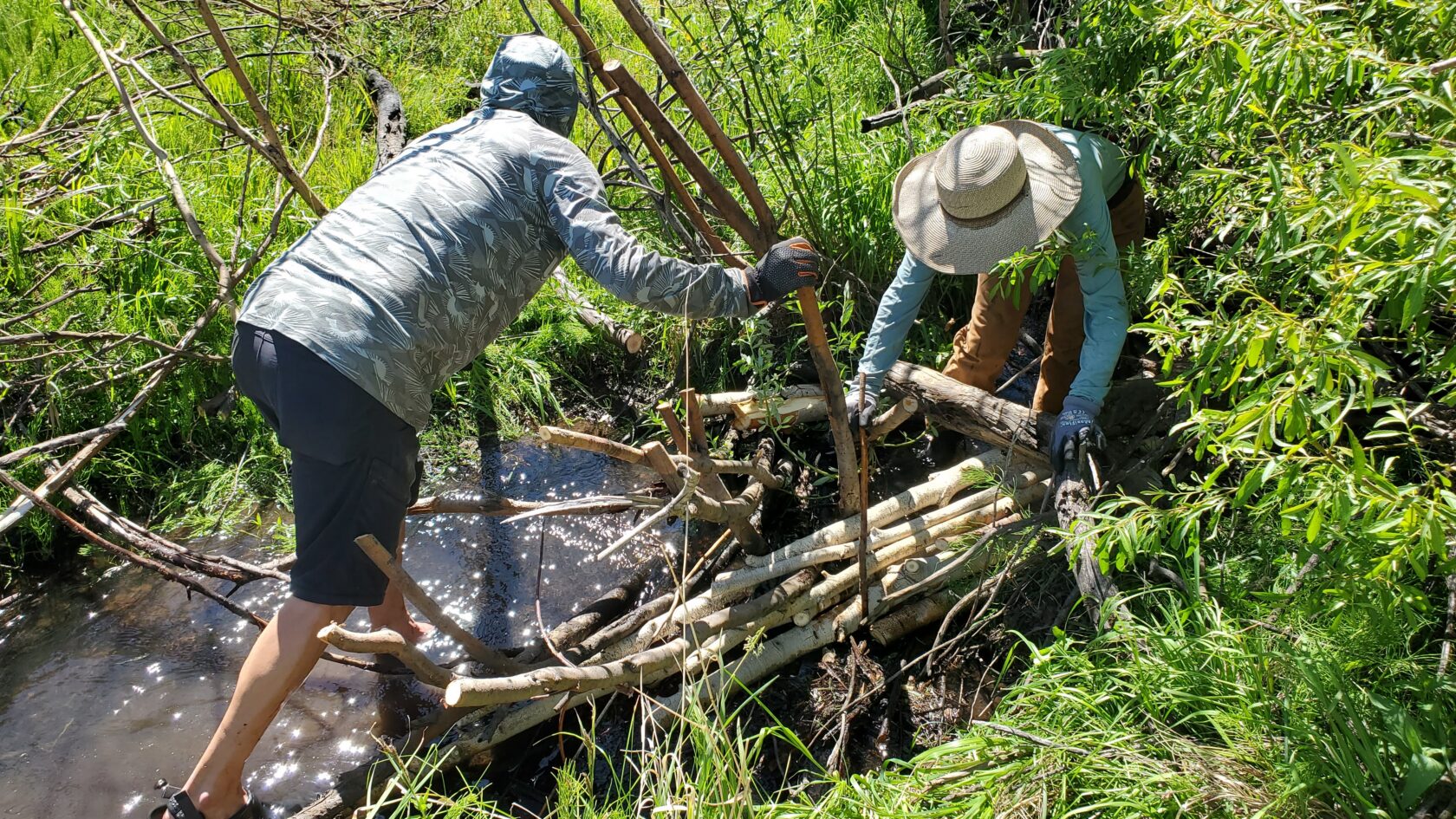
Refuge staff reached out to ONDA for assistance, and we quickly responded. ONDA organized dozens of volunteers to build Beaver Dam Analogs along Rock Creek and nearby Bond Creek. These natural structures, built to mimic small beaver dams, slow water flowing through the area and mitigate erosion. The dams also collect sediment and force floodwaters to infiltrate streambanks, reducing their destructive power and instead supporting the regeneration of dense aspen groves and other important wildlife habitat.
Now, ONDA is collaborating with the refuge to plan additional stream restoration projects across Hart Mountain. Working together, we will ensure this incredible, resilient habitat comes back even better than it was before the fire.
For decades, ONDA has answered the call whenever Hart Mountain National Antelope Refuge was in need, and that commitment will continue. As Oregon’s high desert public lands continue to experience unprecedented ecological change, Hart Mountain will become increasingly important as both a sanctuary for native wildlife and a model for recovery and restoration of resilient sagebrush ecosystems throughout the American West.