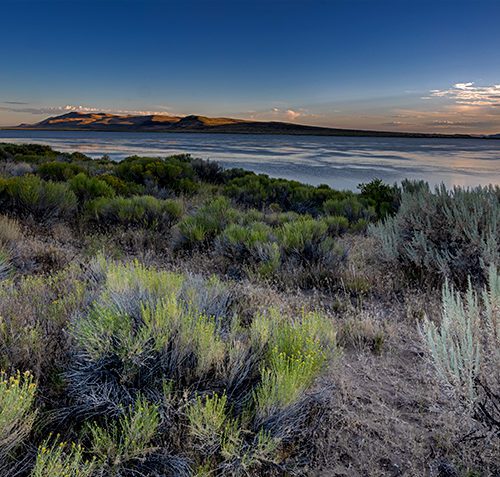
Lake Abert At Risk

Deigh Bates

Wilson's Phalaropes

J. Hertz

Oregon’s Only Saline Lake

With the iconic Abert Rim towering above, Lake Abert is a terminal lake with no outlet to the ocean. All water that flows in from the Chewaucan River — its primary source — is held within the lake. As water in the lake evaporates, the water becomes saltier.

When it is healthy, Lake Abert can support more than 50,000 thousand birds a day, and it ranks right next to the Great Salt Lake among saline lakes in its importance to migratory shorebirds.

Approximately one-third of Oregon’s population of snowy plover breed at Lake Abert. One-fifth of the global population of Wilson’s phalarope stop at the lake to replenish food stores on their passage to the equator.

When they land in Lake Abert, it’s not fish that these birds and others are coming for, but particular types of shrimp and flies that thrive in these hypersaline conditions. The huge numbers of these two species – brine shrimp and alkali flies – provide critical sustenance to hundreds of thousands of shorebirds, waterbirds and waterfowl on their journey along the Pacific Flyway, as well as during the breeding season. Imagine you’re traveling by your own muscle power between Alaska and South America. You’d want to know that you have food and water you can count on.

The thing is, Lake Abert can only feed hundreds of thousands of birds when its water levels are just right. When there is too little freshwater, salinity increases to the point where the brine shrimp and alkali flies cannot survive, thus eliminating this important food source for migratory birds.

Running Dry

Lake Abert definitely can’t feed birds when it is dry. Lake Abert ran dry in 2014 for the first time since the 1930s after four consecutive years of progressively lower water levels. No brine shrimp or alkali flies hatched that year due to the increased salinity and migrating birds had to find food elsewhere. In 2021, lake levels plummeted again, resulting in the lowest number of birds ever recorded at the lake.

Numerous researchers (cited below) have studied and documented the causes for these declines: over-appropriation of water rights, the construction of the River’s End reservoir, and climate change-driven alterations in precipitation.

The Oregonian’s reporting detailed how the Oregon Department of Environmental Quality shut down efforts in 2015 to better understand the water needs of the lake and how state-sanctioned projects were harming the lake.

While ONDA and many other conservation organizations have been urging managers and regulators to protect and restore Lake Abert for decades, the drying of the lake in 2021, the new information brought to light by The Oregonian and historic low bird counts all highlight the urgent need for action now to ensure a more vital future for this unique, important and fragile eastern Oregon ecosystem.

What You Can Do

1. Stay Informed

Subscribe to ONDA’s e-newsletter

2. Drop Us a Line

We have been grateful to hear your concerns about Lake Abert and for the many offers of assistance we’ve received from experts, advocates, Lake Abert aficionados, Oregonians and people from across the country to save the lake. We appreciate hearing from you! Please keep those messages coming to anne@onda.org.

3. Share This Page

Let your fellow birders and concerned friends know what’s happening at Lake Abert.

Sources

Lake Abert At Risk

Author: Anne White  |  Published Date: February 2, 2022  |  Category: In the News Following The Oregonian’s investigative reporting about the State of Oregon’s mismanagement of Lake Abert, many people […]

Read More
Lake Abert

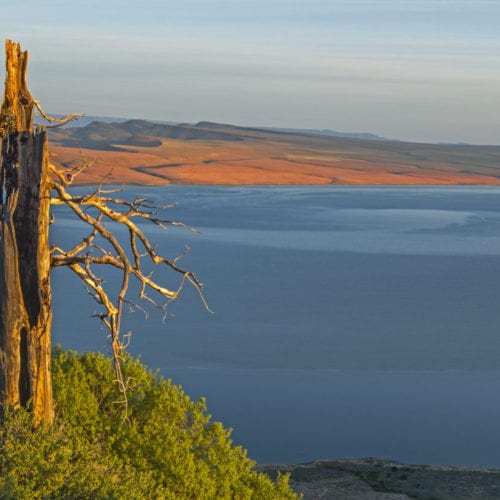
In the southeastern corner of Oregon, a hidden wonder shimmers — Lake Abert. When full, Lake Abert covers 65 square miles and is the sixth largest lake in Oregon. It […]

Read More
Wonders by Day and Night

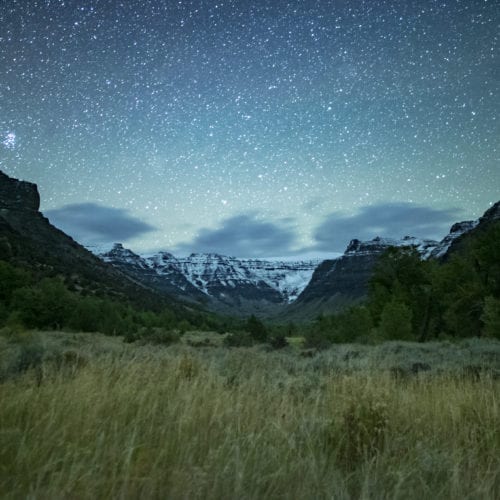
Author: Scott Bowler  |  Published: January 14, 2022  |  Category: Where-to    A  month-by-month guide to appreciating Oregon’s high desert As the tenth largest state in the union, Oregon offers […]

Read More
Your Next Autumn Activity:
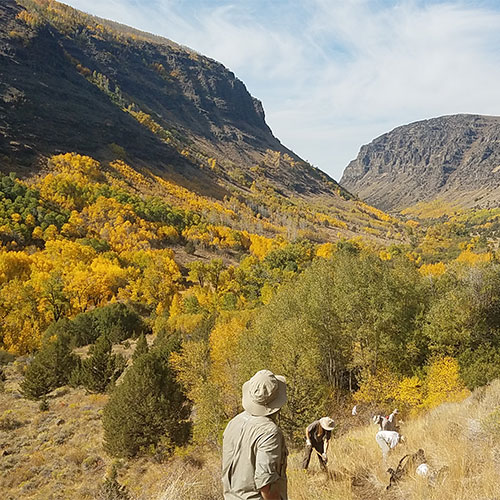
Volunteering

As golden aspen leaves and frosty mornings mark the arrival of fall in Oregon’s high desert, welcomed rains are bringing fire danger down and allowing volunteers to resume work on […]

Read More
Reimagine Your Public Lands

Author: Lace Thornberg  |   Published: July 14, 2021  |  Updated: September 17, 2021 | Category: In the News National Public Lands Day is celebrated annually on the fourth Saturday in […]

Read More
Letter to the Editor: Not like the other birds

We received a curious letter recently and wanted to share it with our desert conservation community.  Dear Human News Media, April has arrived and I am cringing because I know […]

Read More
Winter Wildlife Watching

By Scott Bowler What’s there to do in the desert in the winter? Watch wildlife! In many ways, especially at lower elevations, winter’s cold weather can provide some great hiking […]

Read More
Signs of Winter

Author: Scott Bowler  |  Published: Dec. 15, 2020  |  Updated: Dec. 21, 2021  |  Category: Phenology Winter may seem harsh, and it is indeed a difficult time to live outdoors, […]

Read More
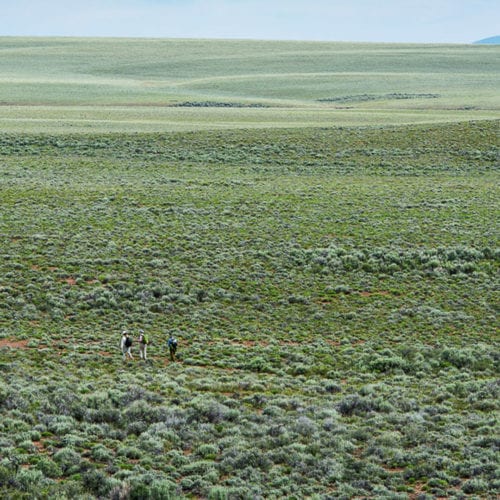
Greater Hart-Sheldon: Sagebrush Stronghold

Story Map Resources The Greater Hart-Sheldon: Sagebrush Stronghold story map is a science based, user driven exploration of one of the last sagebrush strongholds on the planet. Check out the resources […]

Read More
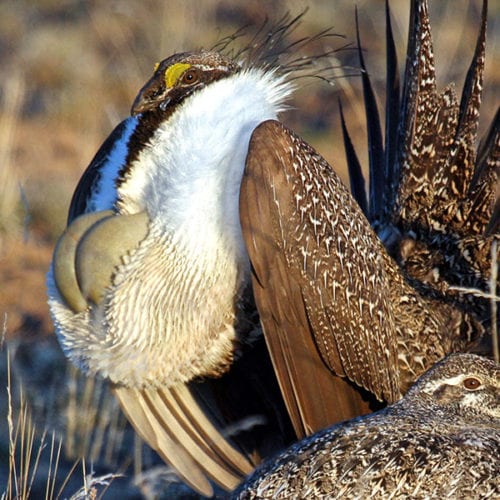
Recognizing Native American Heritage Month

Author: Corinne Handelman |  Published: November 25, 2020  |  Category: In the News Desert conservationists, did you know …  That Oregon’s high desert lands and waters are the traditional lands […]

Read More