Summertime Strategies

fact

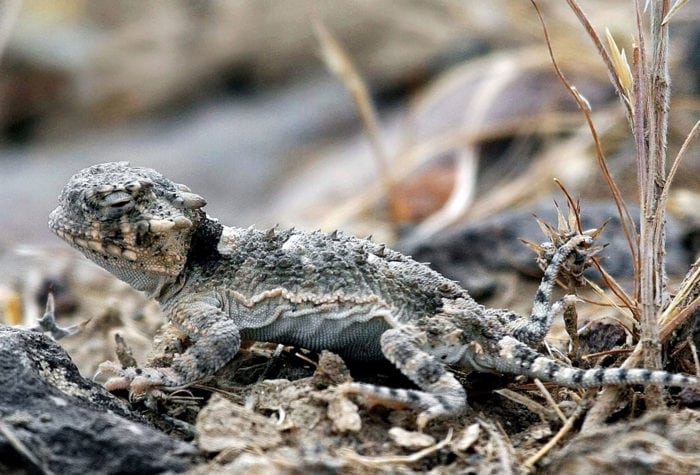
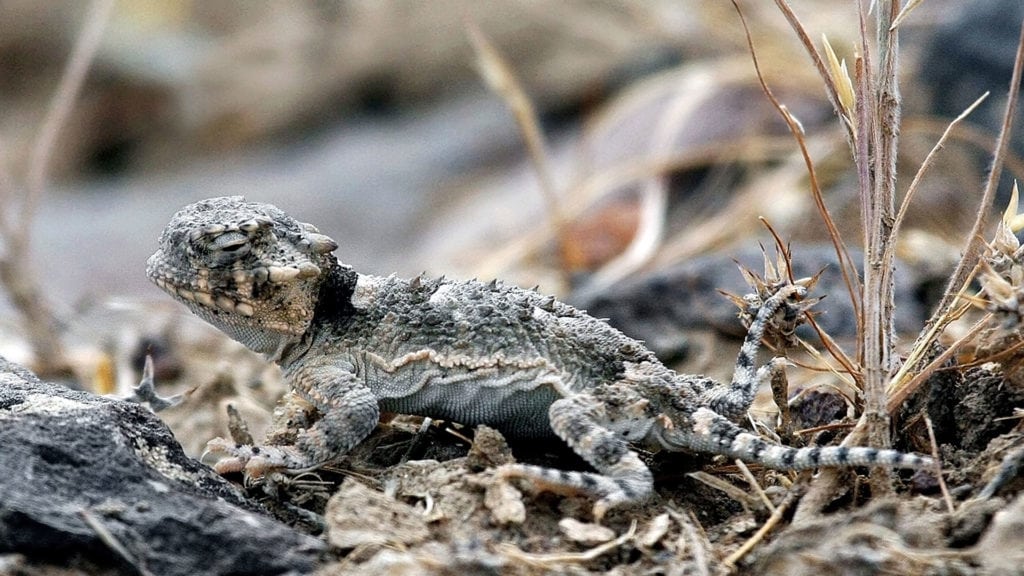
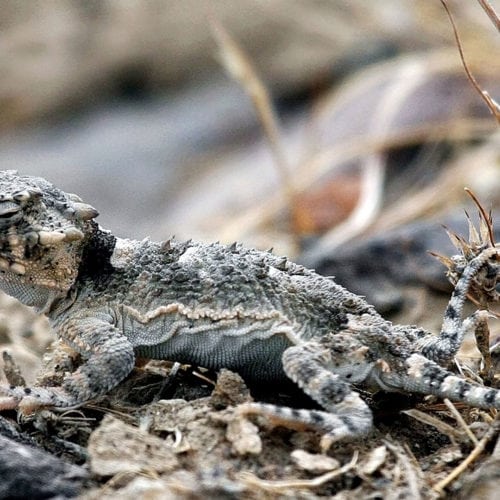
Young Desert Horned Lizard

Young Desert Horned Lizard

In the summer these lizards begin foraging for food as soon as their body temperature rises as the heat of the day increases. They feed on slow-moving, ground-dwelling insects. In the fall they hibernate by burying themselves in the sand.

Latin name: Phrysonoma platyrhinos

listen

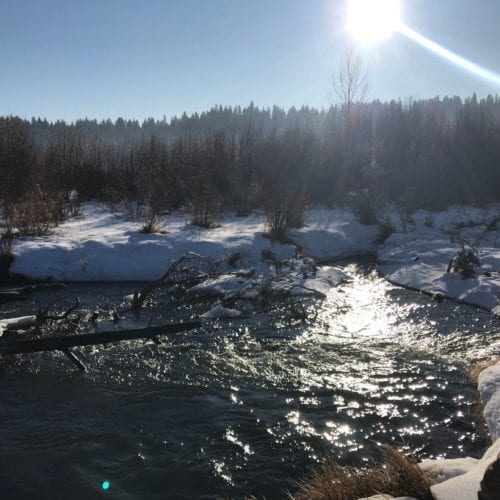
South Fork Crooked River and Birds

South Fork Crooked River and Birds

fact

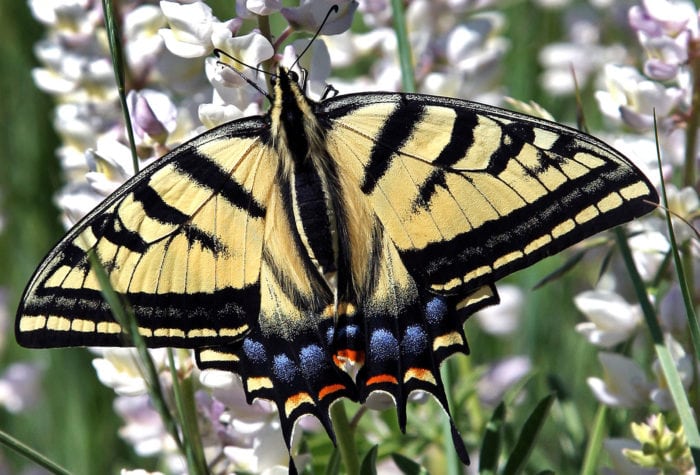
Swallowtail

Swallowtail

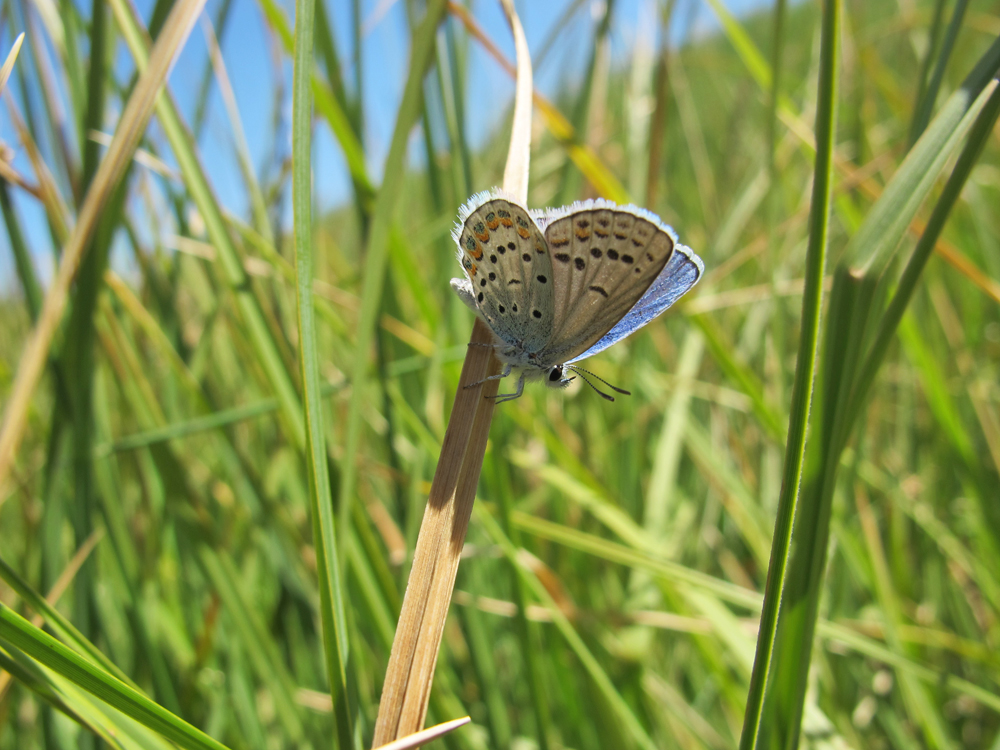
The Oregon Swallowtail butterfly is the official state insect of Oregon and a true native of the Pacific Northwest. The Swallowtail can be seen in the lower sagebrush canyons of the Columbia River and its tributaries, including the Snake River drainage area.  Source: State Symbols USA

Latin name: Papilio oregonius

Mammals

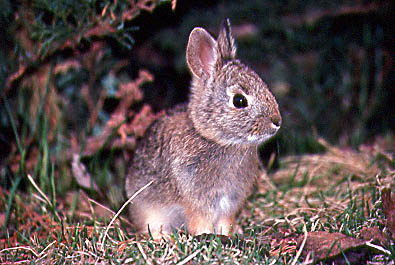
Most baby mammals have grown up enough to begin to forage or hunt for themselves. For many predators, these inexperienced youngsters can provide more abundant, and easier to catch, meals. To offset losses, many rodents or lagomorphs (rabbits and hares) will birth multiple broods, with babies maturing rapidly to take advantage of abundant spring foods, especially in good years. For slower to mature animals, such as deer, pronghorn and coyotes, the young will spend more time with parents and perhaps older siblings and associates learning the ways of their world. Those that can might migrate up to higher elevations to escape the intense hot and dry conditions lower down, and thereby find better browse or grazing—or maybe a nice fawn to eat.

Reptiles and Amphibians

Amphibians tend to search out cool rocks to shelter under, with some digging a burrow in which to pass the worst of the heat. Reptiles also hide from the hottest parts of the day, sleeping under shady rocks and ledges, or in other densely shaded spots, perhaps crawling or slithering out to warm up at dawn, and many will begin hunting at dusk.

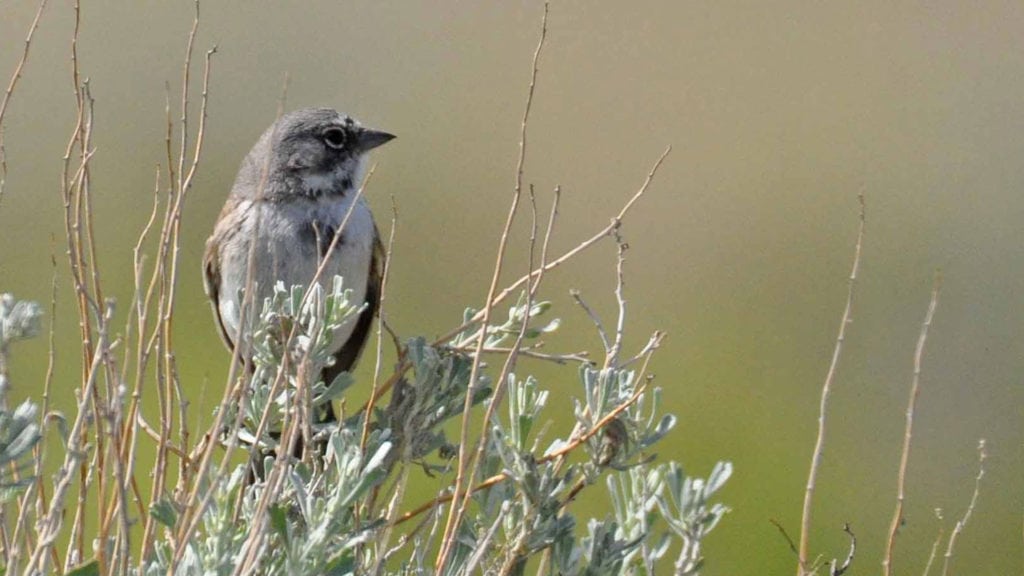
Sage Sparrow in sagebrush

Birds

Birds may search for new hunting or foraging areas, depending upon their food source availability, often heading to higher altitudes following insects, or foraging for maturing seeds. Interestingly, there’s less birdsong in summer, as mating and nesting has already taken place.

Insects, and the bats that follow

Insects are looking for sources of nectar, leaves to chew, or other insects to eat. Spiders hunt the insects, so look into and around those blooms for them. Bats follow bugs, so wherever there’s the one you’ll probably find the other.

Plants

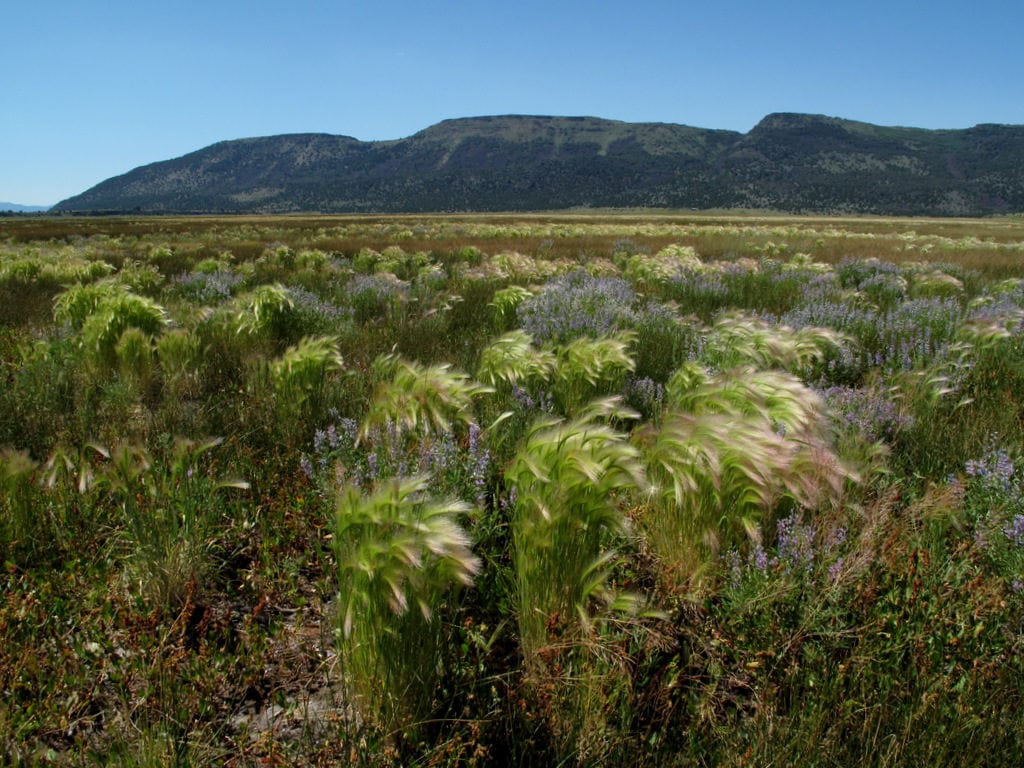
For plants, many will droop, and some even drop, leaves to reduce water loss, or may turn their leaves perpendicular to the sun’s rays to reduce exposure. Waxy coatings, surface hairs and increased levels of certain sun-screening pigments can also come into play in reducing sunlight exposure and protecting from desiccation. Perennials and shrubs drop tap roots more deeply into the moist layers below the easier-to-find water from winter and spring soils. Seeds mature and plants begin to jettison them to let their progeny live on in the future, awaiting next spring when there’s enough moisture again. Many desert seeds will sport spikes, hooks, barbs and “Velcro” to snag the fur or feathers of passing critters and transport their seeds to new areas. Most desert grasses are a bunch-grass form, and have densely packed foliage shaped like an open vase, which helps to collect any dew and precipitation that might fall in thunderstorms and direct it to their dense root ball just below the soil. Over time many desert plants develop a sort of a distributive sharing strategy, living just far enough apart to not hog each other’s water—thus, the clumpy desert landscape pattern. No lawn-like grasses here! The invasive weed cheat grass takes a different tack. Rather than cooperating, it “cheats” by sprouting early and maturing seeds rapidly, ahead of the native perennials, in order to spread widely over large areas.

As you watch the changes in the desert landscape, try to work out what strategies are at play where. You might observe avoidance, adaptation, behavior change, highly efficient use of available resources, competition, migration (both over distance or up in elevation) and estivation, which is prolonged torpor or dormancy during a hot or dry period. With time, you’ll learn to predict where you’ll be more likely to see particular species or activities. And, you will likely employ your own strategies like movement, exploration, converging upon water sources, and perhaps avoiding activity during the hottest parts of the day and instead relaxing in the shade with a book and a cold beverage!

Summertime Strategies

Wow, it’s hot out there in the high desert! At least much of the time … not so much at night … and not every day either. (I can clearly […]

Read More
Signs of Summer

Author: Scott Bowler  |  Published: July 2, 2020  |  Updated: June 3, 2021  |  Category: Phenology Across Oregon’s high desert, plants and animals spend the summer months “searching” — for […]

Read More

How Much Wilderness Do We Need?

In a recent editorial, The Bulletin asked a good question: “how much land does Oregon have that is appropriate for wilderness?” The answer is a lot. A heckuva lot. In […]

Read More
How to Identify Native Plants

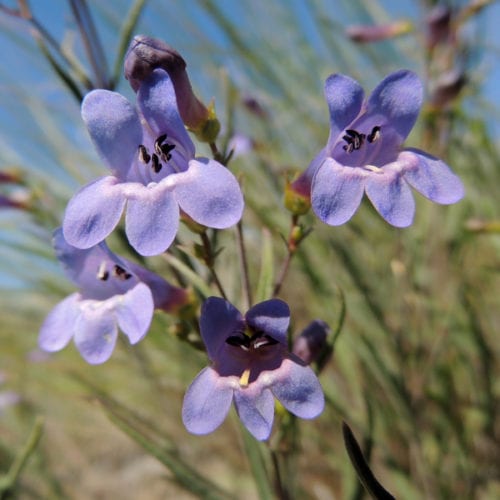
By Scott Bowler Hey, what’s that cool flower? After leading wildflower discovery and identification trips for 40-plus years, I can tell you that people’s most common reaction upon encountering a […]

Read More

“My favorite spot on earth …”

When Sen. Ron Wyden invited Oregonians to nominate rivers and creeks for protection under the Wild and Scenic Rivers Act in fall 2019, hundreds of people spoke up to nominate […]

Read More


Why We’re Nominating
Whychus Creek

The following Wild and Scenic River nomination was written by the Bend Senior High School Environmental Club. Whychus Creek: a Nomination as a Wild and Scenic River We rely on […]

Read More