Three Tiny Creatures
of Oregon’s High Desert

Neal Herbert, NPS

watch

Helen Harbin on Wildlife

Helen Harbin on Wildlife

voices

Michelle Frisella, member since 2017

Michelle Frisella, member since 2017

So proud of ONDA and its members and volunteers. Such hard work gets done. To use an overused word, this is patriotism!

voices

John Cunningham, ONDA member and volunteer

John Cunningham, ONDA member and volunteer

Restoration is hard slow work. It takes hold, or it doesn’t, in fits and starts. The immensity of the need can be discouraging, but we must carry on. I am so thankful ONDA carries on.

Kangaroo Rat

Marshal Hedin

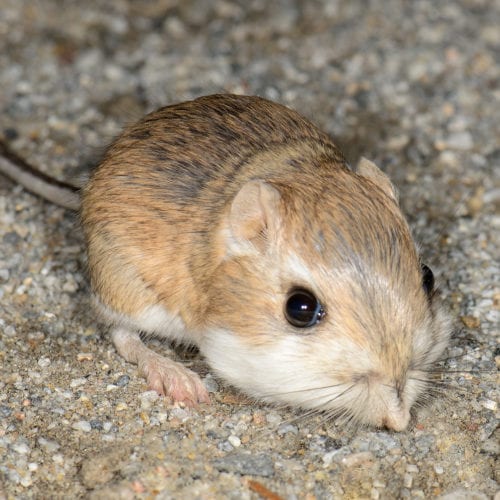
Ord’s Kangaroo Rat (Dipodomys ordii)

The Ord’s Kangaroo Rat runs most of its errands at night and is only occasionally seen during daylight hours. Its days are spent in temperature-controlled burrows dug beneath the sandy soils between Oregon’s big sagebrush, western junipers and greasewoods. You may find this distinct Kangaroo Rat, with its perfectly tufted tail, scurrying along a well-worn path to collect seeds and grasses. Cheek pouches full, ready to cache the food it has gathered (neatly and by type) in its burrow, the Kangaroo Rat relies on visual cover to avoid the predatory eyes of owls, falcons and coyote. By occasionally forgetting caches of husked and stored seeds, the Kangaroo Rat can be ecologically important in the continued propagation of wild grasses.

Shrew

Gilles Gonthier

Northern Water Shrew

April Henderson, NPS

As we mentioned above shrews aren’t rodents. These insectivores have a high metabolic rate that forces them to hunt and eat frequently or else face the real possibility of starvation.

Amidst the sage, scrub and juniper of Strawberry, Steens, and Hart mountains, you can find one of Oregon’s only populations of the Northern Water Shrew (Sorex palustris).

This miraculous and tiny mammal has a resting heart rate of 1,000 beats per minute. It moves with such rapidity that it spends one hour resting for every half hour of activity. Nearly blind, the water shrew relies on its conspicuous whiskers to find sustenance, which is a constant process for this animal that may only be able to survive a mere three hours without food.

Unbelievably, its frenetic streamlined body can actually walk on water with the help of tiny hairs that trap air bubbles on the bottom of their feet. Check out the second photo in the set above!

This shrew relies completely on the continued protection and health of mountain stream habitats like those found in the Greater Hart-Sheldon Region, and throughout the high desert.

American Pika

Will Thompson, USGS

American Pika (Ochotona princeps)

About the size of a tennis ball with almost impossibly round ears, pikas are incredibly vocal animals with territorial calls similar to the squeaks of a plush toy. More than just adorable, the American pika is becoming an important indicator species in determining the effects of global climate change.

Vulnerable to even moderate temperatures you can find pika sticking necessarily close to high alpine talus, rock slides, and cool microclimates across Oregon. Unexpectedly, low elevation pika populations also occur, including in the Greater Hart-Sheldon Region.

We hope you agree that the mini-fauna of Oregon’s high desert are indeed charismatic and complex!

Three Tiny Creatures
of Oregon’s High Desert

Racing pronghorn. Soaring golden eagles. Charging salmon. Oregon’s high desert pulses with the movement of these great creatures, but it’s good to remember that the desert’s iconic animals, birds and […]

Read More
Yes we can, by dam!

An ONDA volunteer recounts her first taste of field work during a South Fork Crooked River riparian restoration trip in October 2018. By Eleanor Burke

Read More
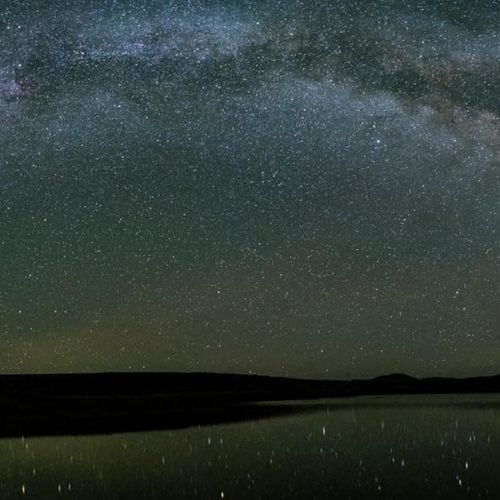
How to find a hot spring in the dark

ONDA’s Owyhee Canyonlands Coordinator Corie Harlan shares a lesson learned from a particularly epic trip into the Owyhee. Three hours into our drive to Oregon’s Owyhee Canyonlands, the AC quit […]

Read More
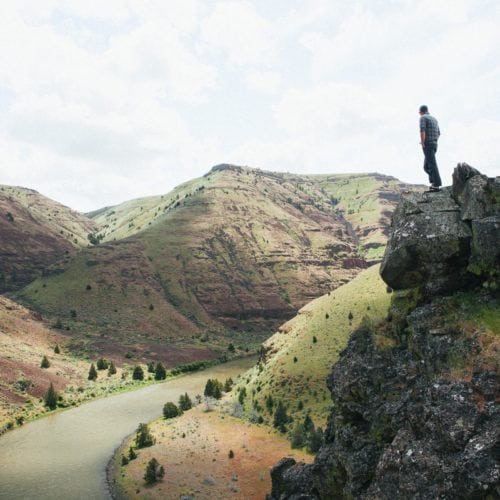
Here’s what you made possible in 2017

2017 has been somewhat akin to being caught on an exposed rocky outcropping in a lightning storm. But like the heavenly smell of sage after a good rain, there’s a […]

Read More
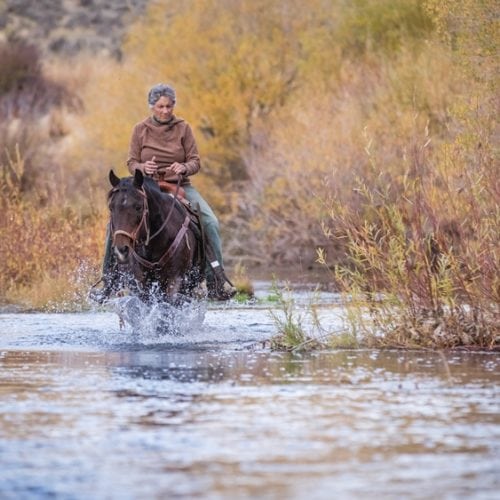
Owyhee Beckoning

Julie Weikel grew up in ‘ION’ country, the area where Idaho, Oregon and Nevada’s borders meet. She worked for over four decades in the area as a large animal vet, […]

Read More
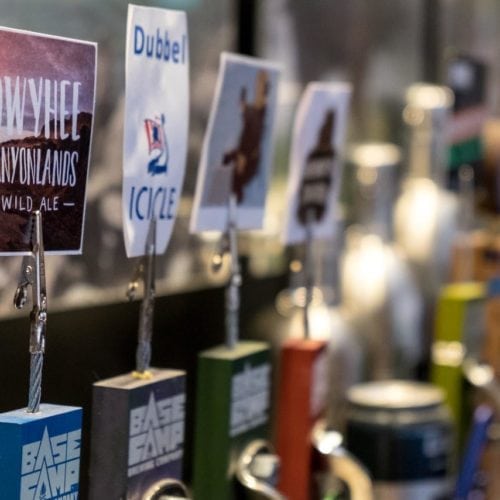
Oregon breweries call for protection of Owyhee Canyonlands

Over two dozen Oregon craft beer brewers from around the state have joined together to call for the permanent protection of the Owyhee Canyonlands. Ross Putnam, cofounder of Base Camp […]

Read More