
Species Spotlight: Big Sagebrush

Dale Nibbe

voices

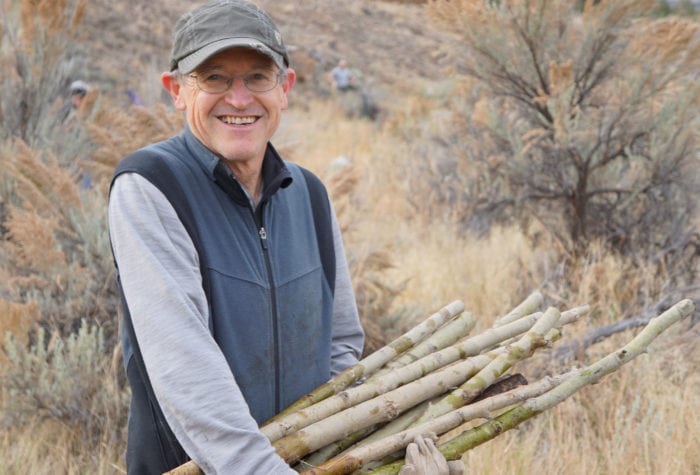
Helen Harbin, ONDA Board Member

Helen Harbin, ONDA Board Member

“I connect with Oregon’s high desert through my feet, my eyes, my sense of smell, and all the things I hear. Getting out there is a whole body experience.” Supporting ONDA, Helen says, not only connects her with wild landscapes, but is also a good investment. “I felt like if I gave them $20, they might squeeze $23 out of it.”

fact

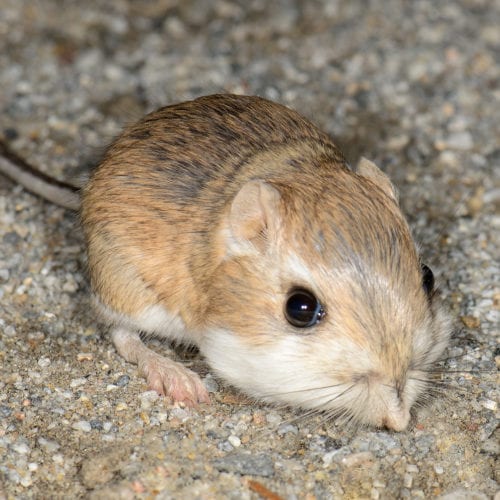
Badger

Badger

Badgers are generally nocturnal, but, in remote areas with no human encroachment, they are routinely observed foraging during the day. They prefer open areas with grasslands, which can include parklands, farms, and treeless areas with crumbly soil and a supply of rodent prey.

Badgers are born blind, furred, and helpless. Their eyes open at four to six weeks.

Latin name: Taxidea taxus

fact

What defines Oregon’s high desert?

What defines Oregon’s high desert?

Bounded by the Cascade Mountains to the west and the Blue Mountains to the north, Oregon’s high desert covers approximately 24,000 square miles. Annual rainfall in the high desert varies from 5 to 14 inches. The average elevation is 4,000 feet; at 9,733 feet, the summit of Steens Mountain is the highest point in Oregon’s high desert. The terrain of the high desert was mostly formed by a series of lava flows that occurred between 30 and 10 million years ago.

Sources: The Oregon Encyclopedia; Wikipedia  

Wildflowers, like these paintbrush, balsamroot and phlox, thrive alongside big sagebrush

Rachel Renne

Big sagebrush is evergreen and able to photosynthesize during winter.

Rachel Renne

Strange, but true: mountain big sagebrush leaves glow bright blue under a blacklight.

Rachel Renne

The way big sagebrush marks the passing of each season is also subtle, with slight, but important changes that allow it to thrive in its harsh environment. In winter, its evergreen leaves usually remain partially uncovered by snow, allowing it to photosynthesize on warmer days. When water is abundant in the spring, this shrub grows both small, perennial leaves and big, ephemeral leaves to gather and store energy. When temperatures increase and water becomes scarce, big sagebrush sheds the larger leaves and assumes a more frugal affect to wait out the hot, dry summer. At the same time, it shifts its efforts to growing stems that will support hundreds of tiny yellow flowers in the fall. Although this happens when water is scarce, these stems efficiently photosynthesize and can contribute energy to their own growth.

Whenever you find yourself in the company of this stalwart western shrub, keep an eye out for wildflowers (and wildlife) and take note of its seasonal adaptation. As you hike stretches of the Oregon Desert Trail, try to imagine how big sagebrush is quietly engineering the water and nutrients beneath your feet.

About the Author: Rachel R. Renne is a PhD student studying big sagebrush ecosystems at the Yale School of the Environment, a long-distance hiker and a volunteer with Oregon Natural Desert Association.

Species Spotlight: Big Sagebrush

Author: Rachel Renne  |  Published: February 13, 2023  | Category: Species Spotlight  This article originally appeared in The Source on February 8, 2023. In May 2021, I hiked the entire […]

Read More

2022 Conservationist of the Year

Meet Mary McCord, ONDA’s 2022 Conservationist of the Year If you attended an ONDA event this year, chances are that Mary McCord was working behind the scenes to make sure […]

Read More
A Look Back at the
2021 High Desert Speaker Series

Author: Caelin Weiss  |  Published: April 28, 2021  |  Category: Look Back Each spring, ONDA presents the High Desert Speaker Series to share knowledge about intriguing aspects of high desert […]

Read More

Meet Three Healthcare Professionals
Dedicated to the Desert

Author: Caelin Weiss |  Published: April 14, 2021  |  Category: Profile As we are all more acutely aware than ever, healthcare professionals and other frontline and essential workers play an […]

Read More
Where-To:
Seeking Spring in Central Oregon

Spring is fast approaching in the high desert. As the daylight hours grow longer, signs of the shifting season can be seen popping up across the region. The desert will […]

Read More
Add Your Voice

Author: Corie Harlan  |  Published: November 20, 2020  |  Updated: May 13, 2021  |  Category: How-To The Malheur Community Empowerment for the Owyhee Act provides Malheur County with vital economic development […]

Read More

Meet Six Steady ONDA Members

ONDA turned 33 this year, and more than a few of our members have been with us ever since our founding in the mid-eighties. We love the perspective that those […]

Read More
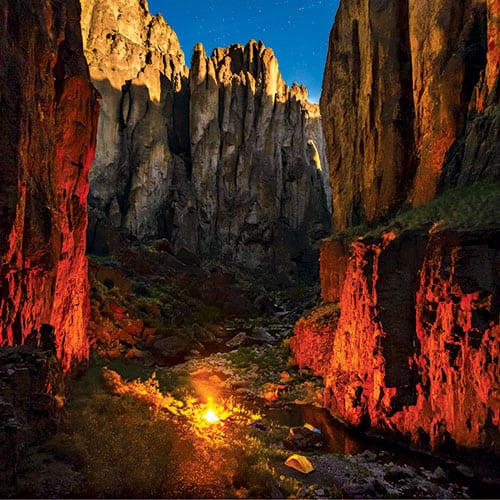
A Major Milestone
for the Owyhee Canyonlands

An impressive and critically important swath of sagebrush steppe habitat in eastern Oregon poised to gain protection as Wilderness On November 7, 2019, U.S. Sen. Ron Wyden introduced the Malheur […]

Read More
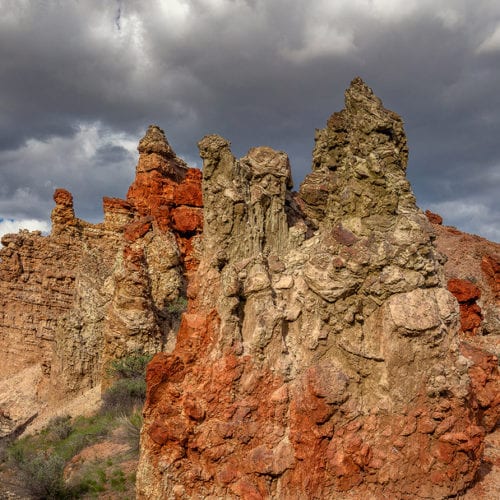
High Desert Speaker Series
Bigger and Better in 2020

Each year, ONDA’s High Desert Speaker Series highlights the wildlife, geology, culture, history, recreation and other unique and worthy-of-protection elements of Oregon’s high desert. In 2019, we were amazed by […]

Read More
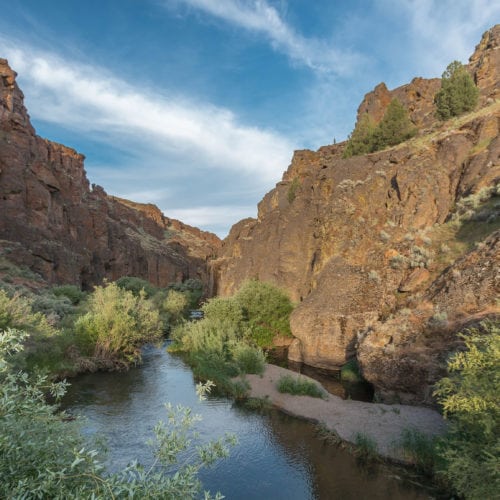
Get to Know the Owyhee River

Author: Kelly Sprague |  Published: September 10, 2019  | Category: Where-To One of Oregon’s 58 officially designated Wild and Scenic Rivers. Located in southeastern Oregon and reaching across the corner […]

Read More