Migratory Birds of the High Desert

Laurel Parshall

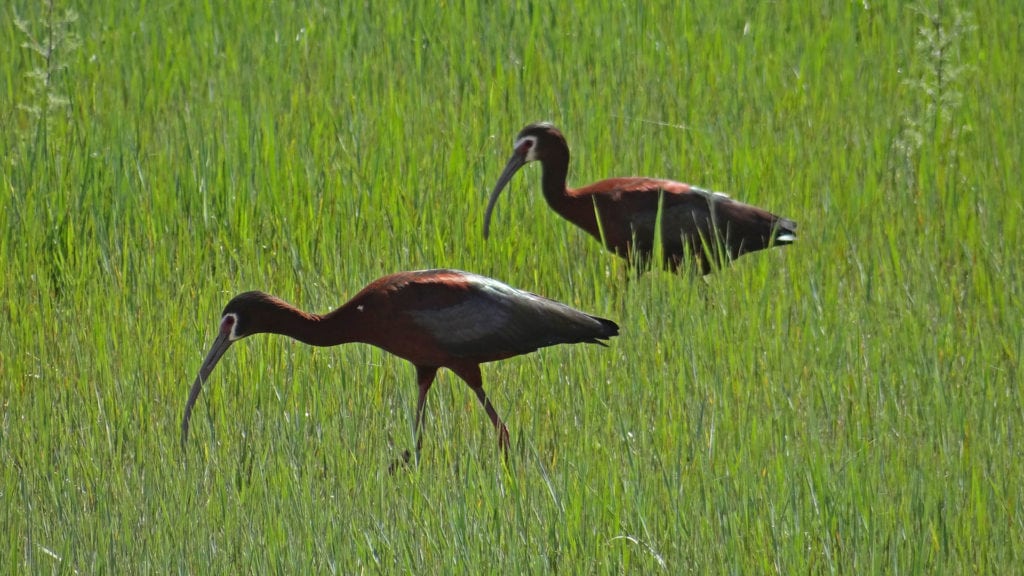
White-faced Ibis

White-faced Ibis

Wading in shallow waters, the white-faced ibis (Plegadis chihi) probes its long, scythe-shaped beak into the soft mud for shellfish, mollusks, and grubby earthworms. Though their faces have a sliver of white around the beak and eyes, their plumage varies with a plum neck, and bronze and jade wings. In summer, they fly back to breed in the high-desert wetlands like Malheur Lake and Paulina Marsh.

Their conservation status is low concern, but seasonal stresses like drought and river damming can scare white-faced ibises from their marsh and estuary niches.

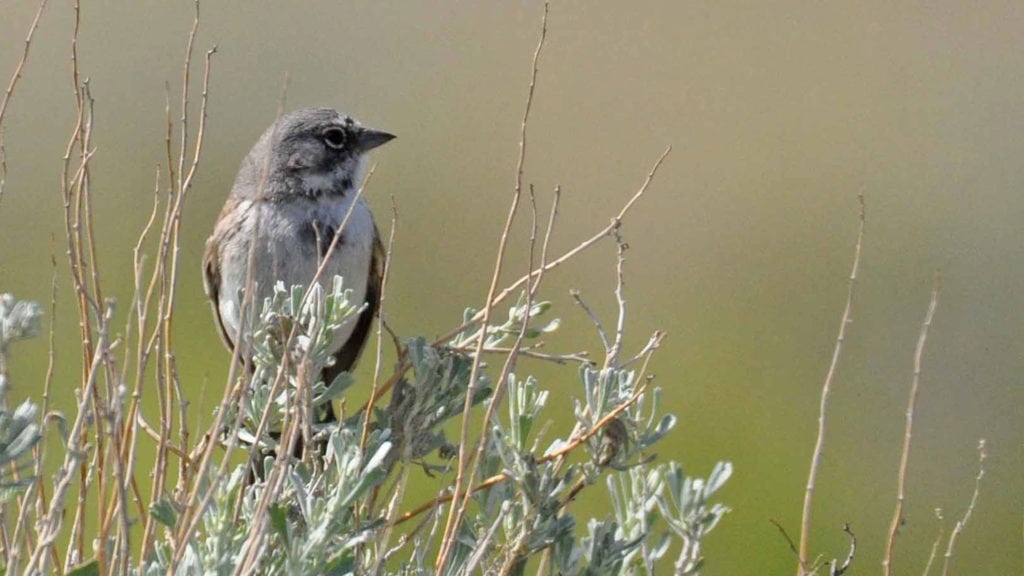
Sage Sparrow in sagebrush

Sagebrush Sparrow

Year after year, sagebrush sparrows (Artemisiospiza nevadensis) return to their roots to their breeding ground after spending winter in New Mexico, Texas and Arizona. These sparrows cover the largest territory of any other sparrow species, from the basalt-raised steppe of the Columbia Plateau to the southeastern stretches of Oregon’s arid Basin and Range. Their song, piercing and fine-tuned, carries across the windy meadows pocked with sagebrush. Yet the dangers of wildfires aggravated by invasive grasses like cheatgrass, however, threaten their summer home.

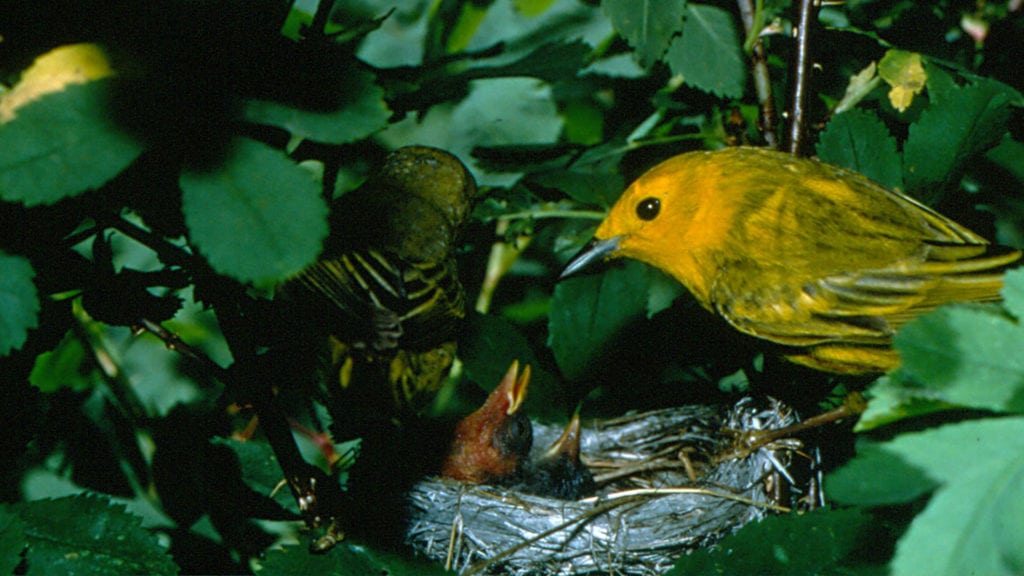
Yellow Warbler

Named for its brilliant plumage and song, the yellow warbler (Dendroica petechia) breeds in riparian habitats of Oregon each year after traveling from winter homes as far south as Brazil and Peru. Beginning in late April or early May, they can be found among the native plant species that thrive along the waterways of the high desert. Although they are bright yellow, these skillful singers can often be heard before they're seen!

Once very common throughout the state, threats to habitat — particularly livestock grazing and invasive species that diminish the diversity of plant life these birds rely on — have led to large declines in population. Riparian restoration plans provide hope for increasing the available breeding grounds for these members of the warbler family.

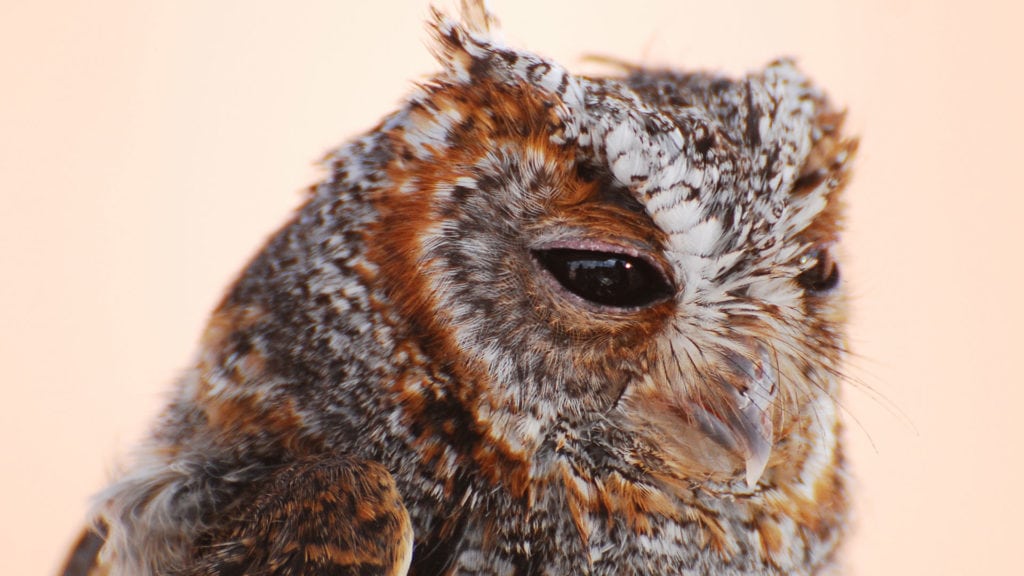
Flammulated Owl

On a summer night, you might hear the deep double-hoots of a flammulated owl (Otus flammeolus) somewhere off in a thicket of ponderosa pines and grand firs. Their calls might seem so far off that you have to pause mid-step to hear them, but don’t be fooled; they’re closer than you think! These tiny owls — smaller than a fist, weighing a scant tenth of a pound — adjust the volume of their calls when they sense humans close by. Their woody plumage camouflages them against pine and fir bark, lending the average birder an additional degree of difficulty to spot them. One of fourteen other species of Oregon owl, the flammulated owls return to roost in forests spanning from the West Cascades to the Blue Mountains after wintering in the American southwest.

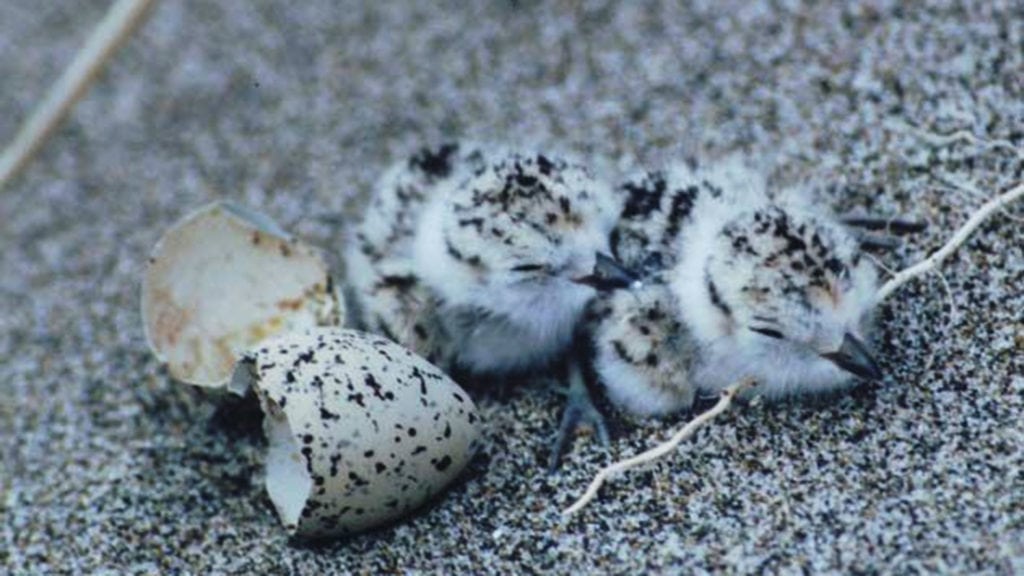
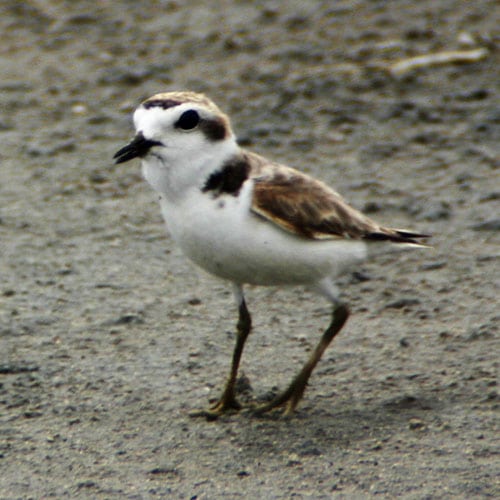
Western Snowy Plover

Western snowy plovers (Charadrius alexandrinus nivosus) can be found on the Oregon Coast year-round, roosting in any of the eight beach nesting areas. However, you can also find them in the salt pans and alkaline flats of Nearshore in summer months, pecking at small shellfish in the shallows. These tiny beach-nesters require sandy shorelines for laying up to three eggs per nest.

These birds face a number of threats ranging from predators to invasive species like European grass. Human interference — namely negligent hikers, dirt bikes, and unleashed dogs — trample plover nests, making the recovery of this species increasingly difficult. The Oregon Conservation Strategy lists the western snowy plover as threatened, yet conservation measures have been taken to remove the invasive grass and limit human activity in western snowy plover nesting areas.

About the author

Scott Donohue is the author of How to Build a Fire, a book that outlines ways to build fires responsibly in cabins, campgrounds and survival situations. He has blogged for YellowStonePark.com and worked in the editorial department for Sierra, where he had the chance to interview Alex Honnold and report on breaking news concerning conservation and climate change.


Photos: White-faced Ibis- Craig Miller. Sagebrush Sparrow- Laurel Parshall. Yellow Warbler- Daniel Sherman. Flammulated Owl- Jerry Oldenettel. Snowy Plover- B. Casler/USFWS.

Migratory Birds of the High Desert

Author: Scott Donahue  |  Published: May 23, 2018  |  Category: Species Spotlight Every year, dozens of beloved bird species migrate from their part-time homes around the world back to the […]

Read More

Species Spotlight: Black Cottonwood

Where There’s Cottonwood, There’s Water. We recommend listening to this Cottonwood Canyon Riparian Soundscape while you read this Species Spotlight. At the new Riley Ranch Nature Reserve in Bend, a […]

Read More

How to Stay Hydrated

Finding water in the desert can be difficult, but it’s not impossible. If you were hiking 2 million to 10,000 years ago, finding water in Eastern Oregon would be easy […]

Read More
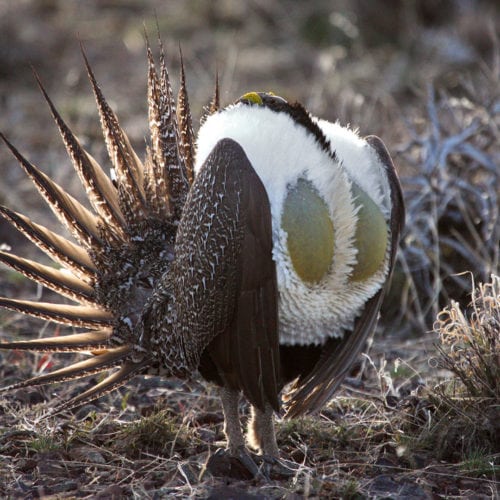
Learn to Strut

ONDA to teach sage-grouse mating dance to all members April 1, 2018 (BEND, Ore.)—What started as a rousing way to open up staff meetings soon spread to board meetings and stewardship trips, […]

Read More

How to Take Better Photos of Oregon’s High Desert

Author: Lace Thornberg  |  Published: March 9, 2018  | Updated: May 5, 2022  |  Categories: How-to   Five landscape photographers share their advice: knowledge, persistence, patience The arid landscape that covers […]

Read More

Going Public: Becoming a Public Land Leader

Brittany Leffel hosted a Public Land Leader gathering in December and wrote about her experience “going public”.   Behind every beloved trail is a crew of stewards working to preserve […]

Read More

Soundscapes

ONDA Volunteer John Hartog Tells High Desert Stories Through Sounds, Not Words. By John Dulzo Oregon Natural Desert Association volunteers are as diverse as the land they work so hard […]

Read More

Ursula Le Guin, author and desert lover

Ursula Le Guin, author and desert lover, dies at 88 On Monday, January 22, 2018, author Ursula LeGuin died at her home in Portland, Oregon. Le Guin is best known […]

Read More
Here’s what you made possible in 2017

2017 has been somewhat akin to being caught on an exposed rocky outcropping in a lightning storm. But like the heavenly smell of sage after a good rain, there’s a […]

Read More

We asked, you answered: Keep delivering conservation wins

The results of our most recent member survey In early November, we surveyed our members to check in on the work that matters most to you.  Nearly 300 of you […]

Read More